What To Pack For Snorkeling In Cozumel: Bring It, Rent It, Or Skip It
Most Cozumel snorkel tours hand you a mask, fins and a vest, so the bag that matters holds the things they do not: a rash guard, a towel, pesos and a plan for sunscreen. Here is what to bring, what to rent and what to leave in the suitcase.
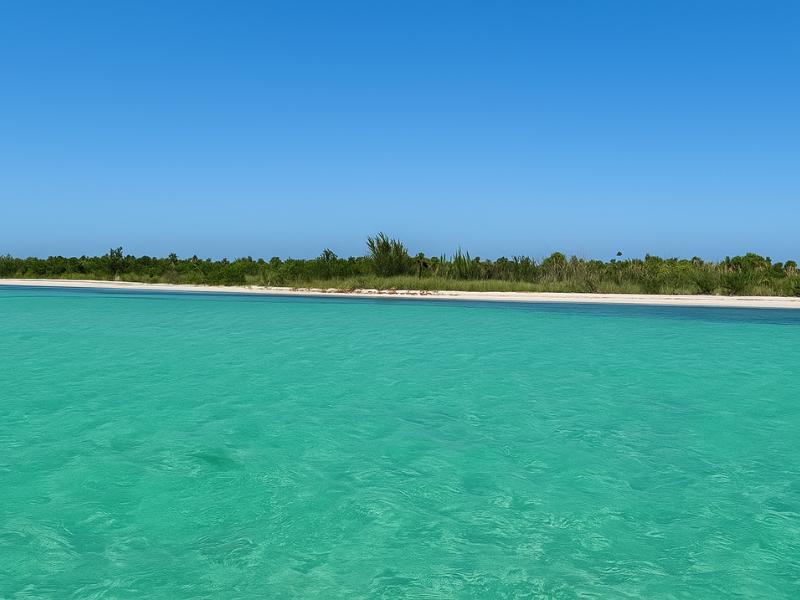
The mask on the reef boat is not the thing you forget. It is the towel, the pesos for the park wristband, and the sunscreen question nobody answers the same way twice. Our team at Cozumel Snorkeling Tours reads the inclusion lists on every tour we feature, and a clear pattern shows up: the operators cover the gear that goes in the water, and leave you to cover almost everything that stays dry. Pack for that gap and the day goes smoothly.
This guide sorts every common item into three piles: bring it, rent it, or skip it. It then works through the rental prices that have actually been published, the marine park's sunscreen rule, how much cash to carry, and three ready-made kits for a boat day, a shore day and a cruise day. What it does not repeat is the child-size and flotation gear advice that already lives in our family and non-swimmer guides; we link to those where they fit.
What Do You Actually Need To Pack For Snorkeling In Cozumel?
Less gear than you think and more small practical items. Tours supply mask, snorkel, fins and a vest, so your bag should hold a rash guard, a towel, a hat, a waterproof pouch, a change of clothes, pesos for the 225 peso marine park fee and small bills for tips and taxis.
Think of the kit in two halves. The wet half is what you wear in the water. Almost every operator we list supplies it, and the few exceptions are named below. The dry half is everything around the swim: sun cover, cash, a towel, somewhere safe for a phone. That half is on you, and it is where most of the small annoyances of a snorkel day come from.
Weather barely changes the list. Sea temperature data puts Cozumel's water at roughly 79 to 81°F (26 to 27°C) from December to April and about 84 to 85°F (29°C) from June to September, with a narrow year-round range of about 77 to 86°F. That is warm enough that a rash guard is there for the sun more than for warmth. The bigger seasonal factor is wind: the winter Nortes can turn the west coast choppy for a day or three, which matters for what you carry on a small boat, and our guide to the best time to go snorkeling in Cozumel covers when they tend to arrive.
Cozumel Snorkeling Tours That Fit This Trip
Booked through the operators' own listings, with live prices and cancellation terms shown there.
Which Snorkel Gear Should You Bring, Rent Or Skip?
Bring a mask only if you own one that already seals on your face, plus your own sun layers, towel and dry pouch. Rent or use included fins, snorkel and vest. Skip gloves, chemical sunscreen, anything for touching or collecting marine life, and heavy camera rigs you would worry about on a moving boat.
The matrix below is how we would sort a typical packing list. "Included" means the tours we feature list the item in their inclusions; "rent" means you would only pay for it on a self-guided shore day.
| Item | Verdict | Why |
|---|---|---|
| Mask | Bring if you own a good one; otherwise use the included mask | Fit is personal, and a mask that leaks spoils a reef stop; every tour we list supplies one |
| Snorkel | Use the included one | Supplied on every snorkel tour we feature; cheap to rent on shore days |
| Fins | Use included fins on boats; rent for shore days | Most boat tours include them; one glass-bottom boat lists tube, mask and life jacket but not fins |
| Life vest | Use the included vest | Listed on nearly every tour; often bundled with rentals and day passes |
| Rash guard, long sleeves | Bring | The one form of sun protection every operator and park accepts |
| Mineral sunscreen | Bring, use sparingly and early | Zinc oxide or titanium dioxide formulas are what operators accept in practice |
| Chemical sunscreen | Skip | The park rules say no sunscreen, and non-biodegradable sunblock is banned outright |
| Towel | Bring | Most of our tours list towels as not included |
| Waterproof pouch or dry bag | Bring | Boats get wet, and your phone, cash and ID ride with you |
| Underwater camera or GoPro | Bring, with a strap | Commonly used on boats; several tours ask you to bring your own camera |
| Gloves | Skip | Listed as prohibited in marine park rule summaries, and there is nothing to hold |
| Wetsuit | Usually skip | Water runs about 77 to 86°F; a rash guard covers most people |
| Hat and sunglasses | Bring | For the boat ride and beach stops between swims |
| Change of clothes | Bring | The night snorkel and several boats list personal items as yours to bring |
The mask line is the only one people argue about. A rented or included mask is clean and fine for most faces. If you have one you already trust, though, it earns its space in the suitcase more than any other piece of snorkel gear, because it is the one item whose fit you cannot fix on the boat.
If someone in your group is new to the water, the vest and entry questions deserve more than a table row. Our guides to snorkeling in Cozumel as a non-swimmer and snorkeling with kids in Cozumel cover vest fit, child-size masks and what to wear, so we do not repeat that here.
What Gear Do Cozumel Snorkel Tours Already Include?
Nearly all of them include mask, snorkel, fins and a life vest. What varies is everything else: some cover the marine park fee and some collect it in cash on the dock, most leave towels to you, and a few supply extras such as dive lights, lockers and showers, or guide photos.
This table comes straight from the inclusion and exclusion lists on the tours we feature. It is the quickest way to see what your specific trip leaves for you to pack.
| Tour | Gear included | You bring or pay on the day |
|---|---|---|
| 3 Reefs boat tour, 4 hours | Vest, mask, snorkel, fins; shaded boat with restroom | Marine fee, US$11 cash; tip; taxi to Marina Asipona |
| Turtle sanctuary catamaran, 4 hours | Masks, fins, snorkels, life jackets; shaded boat with restroom | Marine park fee, $10 or 200 MXN; towel; camera; tip |
| Private charter to El Cielo and Cielito | Masks, fins, snorkels, life jackets; boat with restroom | Towel; park bracelet, US$12 or 240 MXN, per its inclusions list; camera; tip |
| El Cielo private 4-hour boat | Masks, fins, snorkels, life jackets; park fees included | Marina boarding fee, about US$1 or 15 MXN; towel; tip |
| Invisible boat, about 1.5 hours | Vest, fins, mask, snorkel for optional swim stops | Marine fee, US$10; towel; tip |
| Transparent boat with 2 beers | Vest, mask, snorkel, fins; $5 dock tax covered | Towel; camera; tip |
| Chivis Del Mar glass-bottom boat | Tube, mask, life jacket | Towel; camera; tip; transport to the marina |
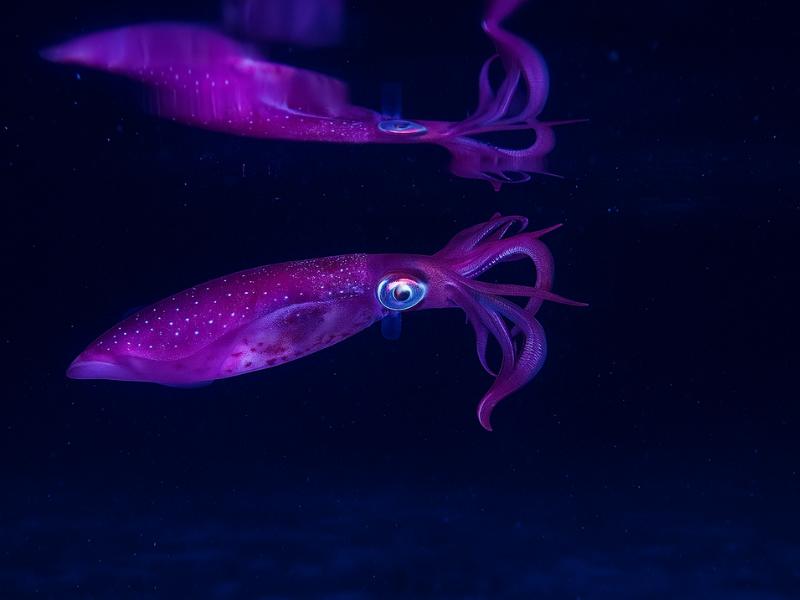
| Night snorkeling | Mask, snorkel, fins; a dive light for each person | Towel and change of clothes; taxi to Money Bar Beach Club; tip |
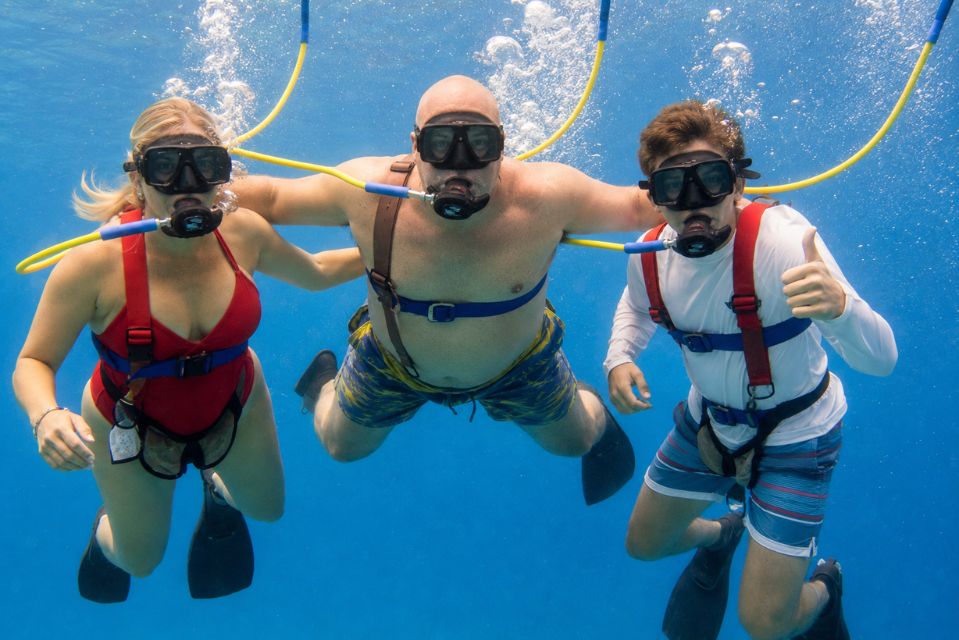
| SNUBA at Chankanaab | Mask, fins, weights, SNUBA breathing system | Chankanaab entrance, about US$23 cash; towel; tip |
| SeaTrek helmet diving | Helmet, weights, air supply; lockers and showers | Towel; marine park fee if applicable; tip |
| "First Lady" private charter | Snorkeling and fishing gear; national park fees included | Towel, sunscreen and personal items; tip |
Two listings contradict themselves, and it is worth planning for the stricter reading. The private charter to El Cielo and Cielito says "towels and park bracelet included" in its summary, but its own inclusions list puts both under "not included". The turtle sanctuary catamaran mentions underwater photos by guides, yet also tells you to bring your own camera. When a listing disagrees with itself, pack the towel and the pesos anyway. It costs you nothing if they turn out to be covered.
The full-service end of the list is simpler. Private boats that fold the park fees into the price, like the El Cielo private boat and the "First Lady", mean one less cash line on the day. If that appeals, you can Check availability for the "First Lady", which lists an open bar, snacks and park fees, and leaves only towels, sunscreen and personal items to you.
Is It Cheaper To Bring Your Own Snorkel Gear Or Rent It?
On boat days, gear costs you nothing either way, because every tour we list includes it. Renting only matters for self-guided shore days, where published 2026 shop rates run about $10 to $12 a day for a full set, and beach clubs quote around $10 to $20 when gear is not bundled in the day pass.
That makes the economics narrower than most packing lists suggest. The question is not "rent or buy" for the whole trip. It is "how many days will I snorkel from shore without a tour or a day pass that already includes gear?"
| Rental option | Reported price | Source context |
|---|---|---|
| Mask and snorkel, dive shop | About $5 to $8 per day | 2026 shop rates |
| Fins, dive shop | About $5 to $8 per day | 2026 shop rates |
| Full snorkel set, dive shop | About $10 to $12 per day | Vest often included with rentals |
| Beach club gear, when not bundled | About $10 to $20 per person per day | 2026 beach club listings |
| Chankanaab park gear | About $10 to $12 | On top of adult entry of about $25 to $32 |
| Beach club day pass with gear | Packages often $20 to $45 per adult | Some include a guided shore snorkel, kayaks or an open bar |
| Boat tours on our site | $0 extra | Gear listed as included on every tour |
Run the numbers for your own trip. A cruise passenger with one boat tour pays nothing for gear. Someone staying a week who plans three independent shore days would pay roughly $30 to $36 for three days of a full shop set at those rates. We have not found reliable published prices for buying a set, so compare that rental figure against what a decent mask, snorkel and fins cost where you live, and against the suitcase space they take.
For most visitors the sensible middle ground is to bring a mask you trust and rent or use included fins. Fins are the bulkiest item, the easiest to fit on the spot, and the one piece every boat already carries. If you are weighing a whole shore-based trip against boat days, our comparison of shore and boat snorkeling covers what each actually delivers underwater.
What Are The Sunscreen Rules For Snorkeling In Cozumel?
The national marine park's official visitor rules say not to use sunscreen at all, and an older rules card bans sunblock that is not biodegradable. Mexico has no approved list of "reef-safe" brands. Operators accept mineral formulas in practice, and a long-sleeved rash guard is the one answer nobody questions.
This is the item where marketing and rules part ways. A "reef-safe" label on a bottle is a claim by the manufacturer, not a standard the park recognises, because there is no Mexican statute or certification defining the term. The park itself, Parque Nacional Arrecifes de Cozumel, is run by CONANP, Mexico's protected areas commission, and its visitor guidance simply says not to use sunscreen.
How strictly that is applied depends on where you are. Here is the picture from our research.
| Where | What the rules say | What works in practice |
|---|---|---|
| Cozumel reefs national park, boat snorkeling | Official visitor rules: do not use sunscreen; older rules card: no non-biodegradable sunblock or tanning oil | Long-sleeved rash guard, hat on the boat; mineral zinc oxide or titanium dioxide formulas where operators allow them |
| Tour boats | Enforcement varies by operator; some check bags at the dock | The 3 Reefs listing asks for reef-safe sunscreen applied before boarding |
| Chankanaab park | Biodegradable, reef-safe products only; zinc-based recommended | Bag checks happen; non-compliant items may be held; rash guards advised |
| Beach clubs | House rules differ by club | Ask at the entrance; a rash guard sidesteps the question |
Our working rule is simple. Cover up rather than slather. A long-sleeved rash guard, a hat for the boat ride and sunglasses deal with most of the sun without any product in the water at all. If you want sunscreen on your face, neck and the backs of your legs, use a mineral formula, apply it well before you board so it has time to set, and go light.
The sun reflects off the water, and the stretches on an open deck between reef stops are where most people burn, which is one reason the rash guard pays off even on short trips. Our notes on how safe snorkeling in Cozumel is include a section on sun, heat and dehydration if you want more on that side.
For the full list of what the park enforces beyond sunscreen, including the 1.5 meter distance rule and why boats tie to buoys, see our guide to the Cozumel marine park rules and fee.
How Much Cash Should You Carry For A Snorkel Day?
Carry pesos for the marine park fee, 225 pesos per person per day, unless your tour includes it, plus small bills for a crew tip of around $5 to $20 per person on a half-day trip and for taxis, which charge fixed fares per car. Add any dock, marina or park entrance fee your listing names.
Cozumel runs on cash at exactly the moments you are wet and away from an ATM: on the dock, on the boat and at the taxi stand. The park fee is collected by authorised operators, who hand you a dated wristband. Several listings quote it in dollars, at $10, $11 or $12, while the official charge is 225 pesos, about $13 at the August 2026 exchange rate. The differences come from rounding and exchange rates, so bring pesos and let the operator do the conversion in your favour.
| Cash item | Typical amount | Notes |
|---|---|---|
| Marine park fee | 225 MXN per person per day, about $13 | Pesos preferred; exempt: under 12, 60 and over, pensioners, people with disabilities, with valid ID |
| Crew tip, half-day boat | Around $5 to $20 per person, or about 10% | Cash at the end of the trip; the captain or guide often pools it for the crew |
| Taxi to a marina or beach club | About $11 to $17 per taxi to nearer clubs from the southern piers; about $8 to $20 for short trips | Fixed zone fares for up to four people, one way; US dollars widely accepted |
| Chankanaab entrance on the SNUBA tour | About US$23 per person | Paid in cash on site, per the listing |
| Marina boarding fee, El Cielo private boat | About US$1 or 15 MXN per person | Paid on entry to the marina |
| Beach club extras | Lounger, umbrella and toys about US$20 per person at the private tour's beach club | Only if you want them; the tour lists them as optional rentals |
Students and teachers with credentials get a discount on the park fee, as do Mexican nationals and foreign residents with official ID. Children under 12 are exempt, which surprises families who budgeted for everyone.
On tipping, the norm our research found for half-day snorkel trips is around $5 to $20 per person, or roughly 10 percent of the tour price, handed over in cash at the end. Nobody expects it on the dock before you board. For the full picture of what a day costs once all of this is added up, our breakdown of what snorkeling in Cozumel really costs does the math by trip style.
What Goes In A Boat-Day Bag, A Shore-Day Bag And A Cruise-Day Bag?
A boat day needs sun cover, a towel, a dry pouch, pesos and a light layer for the ride back. A shore day adds gear rental or your own mask plus water and shade. A cruise day strips everything down to what fits in a small bag, adds the ship card and ID, and sets an alarm.
The three kits overlap more than they differ. The differences are about where you will be when you need something: on a boat with no shop, on a beach with a bar and a gear desk, or on an island where the ship leaves at a fixed time.
| Item | Boat day | Shore day | Cruise day |
|---|---|---|---|
| Mask, snorkel, fins, vest | Included by the tour | Rent, use the day pass set, or bring your own | Included if you book a boat; rent at the club otherwise |
| Rash guard and hat | Yes | Yes | Yes, wear the rash guard off the ship |
| Mineral sunscreen | Light, applied before boarding | Check club rules first | Applied on the ship |
| Towel | Yes, most tours do not supply one | Yes, or rent at the club | Ship towel, if your line allows it ashore |
| Waterproof pouch or dry bag | Yes | Helpful | Yes, for ship card, ID and cash |
| Pesos for the park fee | Yes, unless included | Usually not needed | Yes if booked on a boat |
| Small bills | Tips and taxi | Taxi, food, gear rental | Taxi both ways, tips |
| Change of clothes | Helpful | Helpful | Dry top for the ride back |
| Water and a snack | Often included; check the listing | Buy at the club | Water bottle from the ship |
| Ship card, photo ID, all-aboard alarm | Photo ID | Photo ID | All three, always |
The boat-day kit
Most boat days are four hours on the water with two to four stops, so the kit is about the gaps between swims. Wear the rash guard, pack the towel and a dry pouch, and bring a light layer if you run cold, since you will be wet on an open deck with the wind of the ride back. If you are prone to seasickness, bring whatever has worked for you before, and ask a pharmacist before the trip if you have not needed it in a while. The winter Nortes are the time it matters most.
Several tours supply more than you would guess. The 3 Reefs trip has shade and a restroom and lists snacks and drinks. The catamaran has an open bar and snacks. Read your listing before you pack a cooler bag you will not need.
The shore-day kit
A shore day at a beach club or Chankanaab is where your own mask earns its place, and where rental prices come into play. Bring the rash guard, the towel, water shoes if you like them for rocky entries, and small bills for the gear desk. Clubs differ a great deal in what their day pass covers, so our guide to beach club snorkeling beyond Chankanaab is the place to check before you go.
The cruise-day kit
The cruise kit is the shore or boat kit, trimmed to one small bag, plus the three things that get you back aboard: your ship card, photo ID and a phone alarm set for when you need to leave, not for all-aboard. Our post on getting to a beach from the cruise port has the full carry-off list, taxi fares and a time budget, so we will not repeat it here.
What Should You Pack For Night Snorkeling, SNUBA Or SeaTrek?
Less than for a reef boat, because these trips supply the specialist gear. The night snorkel hands every guest a dive light, SNUBA supplies the breathing system and weights, and SeaTrek provides the helmet plus lockers and showers. You still bring a towel, dry clothes, cash for any entrance fee and a tip.
These are the trips where people over-pack. A dive torch from home is unnecessary on the night snorkel, since the listing gives each person a light. A mask from home is pointless for SeaTrek, where you wear a helmet and breathe normally, and the listing says no swimming skills are needed.
The night snorkel is the one to think about carefully. It is a 1.5-hour guided snorkel from shore at The Money Bar Beach Club, and the listing tells you to bring your own towel and change of clothes and to arrange a taxi there. Coming out of the water after dark is when a dry layer and a towel within reach matter most. Pack both where you can grab them without rummaging.
SNUBA runs at Chankanaab, for ages 8 and up, in groups of no more than six. The one cash line people miss is the park entrance, about US$23 per person in cash on site, which the listing names as not included. SeaTrek, which ends with drinks at Jeanie's Beach Club, is the lightest kit of all: towel, swimwear, a tip, and cash in case the marine park fee applies on your day, since the listing says it is payable on site if it does.
What Should You Leave At Home?
Leave chemical sunscreen, snorkel gloves, reef hooks, collecting bags and anything meant for touching or feeding marine life. Skip the heavy camera housing unless you know how to manage it on a moving boat, bulky fins if you are only doing boat days, and valuables you would not want sitting unattended on a beach lounger.
The marine park's rules drive most of this list. They require at least 1.5 meters of distance from the reef, forbid feeding wildlife and prohibit taking coral or any living thing. Gloves and gear for gripping or collecting have no legitimate use on a snorkel under those rules, and rule summaries for the park list gloves as prohibited.
| Leave at home | Reason | Better alternative |
|---|---|---|
| Chemical sunscreen | Park rules say no sunscreen; non-biodegradable sunblock is banned; some operators check bags | Rash guard plus a light mineral formula |
| Gloves | Listed as prohibited in park rule summaries; touching coral is not allowed | Good buoyancy with a vest, hands to yourself |
| Fish food or collecting bags | Feeding fauna and taking anything from the reef are prohibited | A camera |
| Full-size fins for boat-only trips | Every boat tour we list supplies fins except one glass-bottom boat | Pack them only for planned shore days |
| Valuables and jewellery | No safe place on an open boat or a club lounger | Leave them at the hotel or on the ship |
| Large camera bag | Awkward on small boats and taxis | A compact action camera on a wrist strap |
Underwater cameras themselves are welcome. Personal cameras and GoPros are common on the boats and there is no general ban on them in the marine park. The advice is only about bulk: a big housing is hard to manage while you are climbing a ladder out of a current.
How Does Packing Change For A Ferry Day From Playa Del Carmen?
Pack as for a boat day, but in one bag you can carry all day and through a security check. Ultramar's standard allowance is one piece up to 25 kg, terminals screen bags, and you should arrive about 30 minutes before the ferry. A light layer helps on the air-conditioned lower deck.
Mainland visitors face one extra constraint: you are carrying everything from your hotel door to the reef and back, across a ferry and at least two taxis. That argues hard for leaving your own fins at home and trusting the tour's gear. A mask you trust still fits easily in a day bag.
Ferry guides describe an often open upper deck and an air-conditioned lower deck on the crossing, which is why a light layer makes sense even in summer, particularly on the way home when you are tired and still a little damp. The rest of the ferry-day logistics, including schedules, fares and an hour-by-hour plan, are in our guide to a Cozumel snorkeling day trip from Playa or Cancun.
More Cozumel Tours Worth Comparing
What Is The Short Version Of The Cozumel Snorkel Packing List?
Bring a rash guard, hat, towel, waterproof pouch, change of clothes, pesos for the park fee and small bills for tips and taxis, plus your own mask if it fits well. Let the tour supply fins, snorkel and vest. Leave gloves, chemical sunscreen and valuables behind. Check your listing for towels and fees.
If you remember one thing, make it the listing check. The difference between a smooth snorkel day and a slightly irritating one is almost always a line in the inclusions: a towel you assumed was supplied, a park fee you thought was covered, a taxi you did not know you needed. Two minutes with the "not included" list the night before settles all of it.
After that, the packing is light by design. Cozumel's operators have done this thousands of times, and the gear waiting on the boat is part of what you are paying for. Your job is the sun, the cash and the towel.