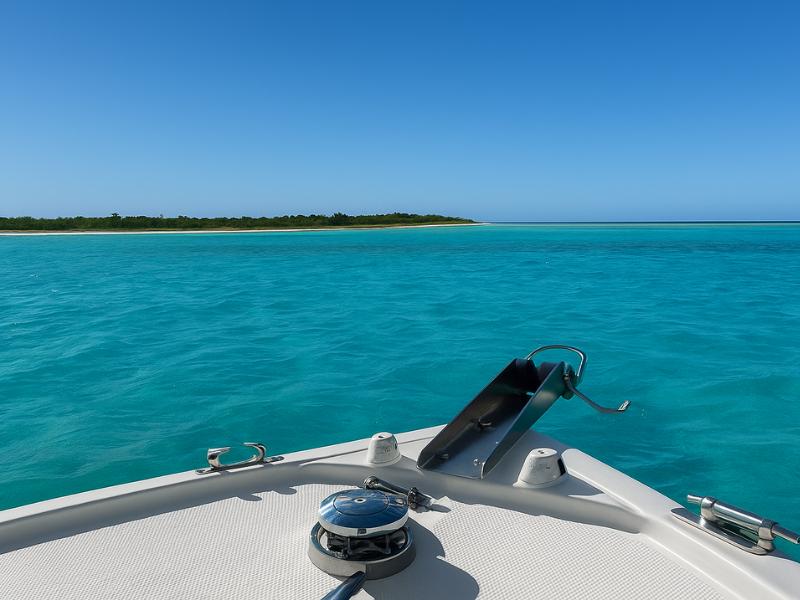
Snorkeling for Non-Swimmers in Cozumel
Think you can’t snorkel in Cozumel because you don’t know how to swim? That assumption is wrong. We explain how flotation vests remove the swimming requirement, which reefs suit complete beginners, and how non-swimmers safely enjoy Palancar and Paradise Reef with confidence — no strokes required.
Last updated: March 11, 2026
Snorkeling involves swimming and carries drowning risk. A flotation aid does not replace swimming ability, close supervision or an operator assessment. Non-swimmers should choose dry boat viewing unless the operator explicitly confirms a suitable supervised program. Stop if distressed and signal the guide for assistance.
The initial suggestion is for clear-hull boat viewing. Water participation needs operator confirmation. Explore ClearBoat Reef Viewing
Snorkeling involves swimming and carries drowning risk. A flotation aid does not replace swimming ability, close supervision or an operator assessment. Non-swimmers should choose dry boat viewing unless the operator explicitly confirms a suitable supervised program. Stop if distressed and signal the guide for assistance.
Can Non-Swimmers Snorkel in Cozumel?
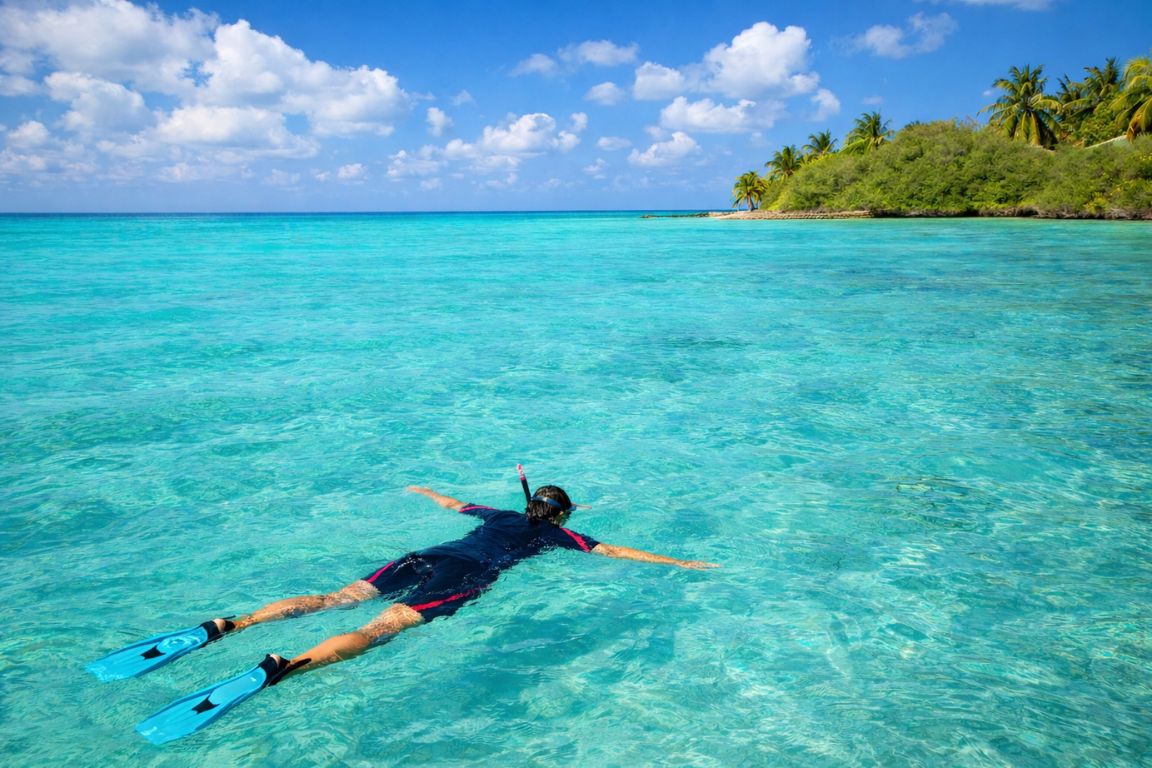
Yes completely and without meaningful safety compromise – properly fitted life vest provides full surface flotation supporting body weight entirely, making swimming ability as irrelevant to snorkeling as it is to sitting in a kayak with a proper flotation device.
How it works: Face-down horizontal floating with vest support requires essentially zero physical effort, contrasting sharply with the exhausting vertical treading water non-swimmers associate with ocean survival. The snorkeling position actually works in non-swimmers’ favor because horizontal body alignment with vest support creates natural passive flotation that fighting upright position actively works against, meaning non-swimmers often find snorkeling physically easier than swimming companions expect.
Chankanaab offers shore access, but its snorkeling area includes water too deep to stand in and rocky or stepped entries. Confirm the exact entry, conditions, supervision and accessibility before entering. Park admission alone does not establish suitability for a child or non-swimmer.
Snorkeling involves swimming and carries drowning risk. A flotation aid does not replace swimming ability, close supervision or an operator assessment. Non-swimmers should choose dry boat viewing unless the operator explicitly confirms a suitable supervised program. Stop if distressed and signal the guide for assistance.
Practical recommendation: Inform operators about non-swimming status when booking rather than mentioning it at pier, allowing guide assignment experienced with non-swimmer accommodation, proper vest size preparation, and site selection matching current comfort level rather than discovering needs mid-tour. This single advance communication step eliminates virtually every non-swimmer-specific concern before departure.
| Site Type | Current | Entry Method | Standing Depth Available | Wildlife Quality | Non-Swimmer Suitability |
|---|---|---|---|---|---|
| Chankanaab Park (shore) | None | Gradual beach entry | Yes throughout | Good – turtles, fish | 10/10 – Ideal first experience |
| San Francisco Beach (shore) | Very mild | Beach entry | Partial | Moderate | 8/10 – Good budget option |
| Paradise Reef (beginner boat) | Mild | Boat platform | No – vest essential | Very Good – turtles, sharks | 9/10 – Excellent with guide |
| Palancar Gardens (boat) | Mild-Moderate | Boat platform | No – vest essential | Exceptional – full wildlife | 8/10 – Comfortable non-swimmers |
| Columbia Reef (boat) | Moderate | Boat platform | No | Exceptional – eagle rays | 5/10 – Confident vest users only |
| Santa Rosa Wall (boat) | Strong | Boat platform | No | Exceptional | 2/10 – Avoid entirely |
How Flotation Aids Support Snorkelers
Physics explanation: Properly fitted snorkeling vest displaces water volume exceeding body weight, creating upward buoyant force that holds non-swimmers at surface without any muscular effort required beyond simply relaxing. The physics prove non-negotiable regardless of body weight, fitness level, or swimming history, with vest buoyancy working identically for a nervous non-swimmer as it does for a competitive swimmer choosing additional flotation support. Understanding that vest flotation represents physical law rather than hopeful reassurance transforms non-swimmer anxiety from reasonable caution into recognizable irrational fear, which guides address through brief physics explanation before water entry.
Face-down snorkeling mechanics: Horizontal body position with face in water creates natural hydrodynamic alignment that vest buoyancy maintains effortlessly, while the vertical treading position non-swimmers dread requires continuous muscular work fighting body’s tendency to sink feet-first. The counterintuitive reality is that looking down into water reduces the anxiety non-swimmers expect, because the underwater visual experience immediately absorbs attention previously consumed by surface survival concern. Most non-swimmers report that within two to three minutes of achieving comfortable horizontal position, mental focus shifts entirely from flotation anxiety to genuine fascination with visible reef life.
Vest types: Snorkeling-specific inflatable vests worn around the torso provide comfortable freedom of movement while maintaining surface support, differing from rigid life jackets that restrict arm movement and create uncomfortable chin pressure during face-down position. Reputable operators provide snorkeling-appropriate vests rather than emergency life jackets, though confirming vest type when booking ensures proper equipment rather than discovering pier-side that available vests suit emergency situations better than recreational snorkeling. Some non-swimmers prefer bringing personal snorkeling vests from home guaranteeing familiar fit and appropriate style, eliminating rental equipment uncertainty entirely.
Fitting importance: Properly fitted vest sitting snugly on torso without riding upward when arms raise overhead proves critical, as loose vests shift toward face during horizontal floating creating discomfort and reduced effective buoyancy that undermines the confidence properly fitting equipment builds. Guides should check vest fit before water entry by having non-swimmers raise both arms overhead, with any vest rising toward chin requiring tightening or size exchange before proceeding. Investing 3-5 minutes achieving proper vest fit before water entry prevents the vest adjustment anxiety that interrupts non-swimmer focus during initial floating confidence establishment.
Mental shift required: Swimming and floating represent fundamentally different physical activities requiring different mental frameworks, with floating demanding complete muscular relaxation that swimming’s active movement instinct actively prevents. Non-swimmers whose anxiety causes muscle tension unconsciously fight the vest flotation through exactly the wrong physical response, making guide instruction about deliberate relaxation and breath control as important as equipment quality for successful non-swimmer snorkeling experiences. Guides experienced with non-swimmers recognize tension responses and address them through specific breathing cues and gentle verbal reminders before they escalate into panic responses requiring tour interruption.
Ohio nurse who hadn’t entered ocean water in 15 years after near-drowning childhood experience entered Chankanaab cove with guide support, discovered within four minutes that horizontal vest-supported floating required “less effort than lying on my couch,” and completed full Palancar Gardens boat tour following day describing the experience as “reclaiming something I thought the ocean had taken from me permanently.”
Not sure about bringing nervous swimmers or first-timers? Our breakdown of is it safe in Cozumel snorkeling tours helps you decide based on your group’s experience level.
Best Sites for Non-Swimmer Snorkeling
Chankanaab offers shore access, but its snorkeling area includes water too deep to stand in and rocky or stepped entries. Confirm the exact entry, conditions, supervision and accessibility before entering. Park admission alone does not establish suitability for a child or non-swimmer.
Chankanaab offers shore access, but its snorkeling area includes water too deep to stand in and rocky or stepped entries. Confirm the exact entry, conditions, supervision and accessibility before entering. Park admission alone does not establish suitability for a child or non-swimmer.
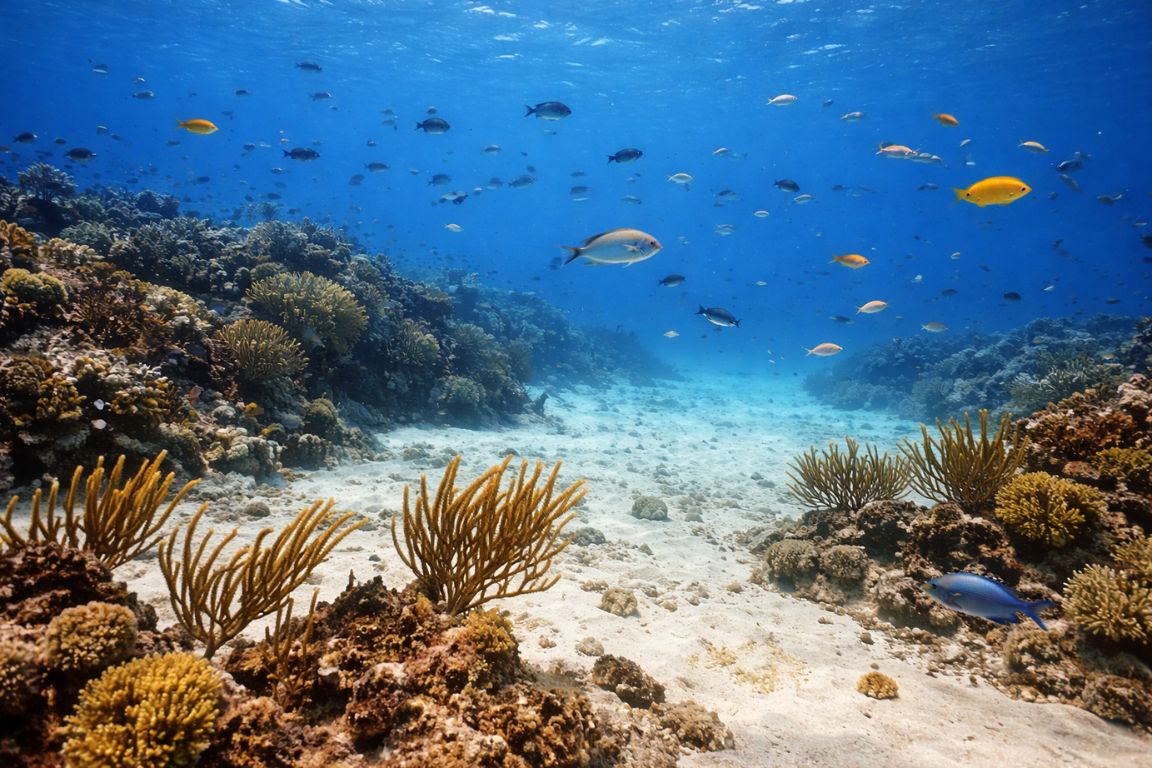
These animals may be encountered in suitable reef habitat, but sightings vary with conditions, location and animal behavior. No measured sighting rate is established here, and a tour name or route does not guarantee an encounter.
If you want to make the most of your time in the water, here are the best spots in Cozumel snorkeling tours based on visibility, coral health, and marine life.
Recommended tours for non-swimmers
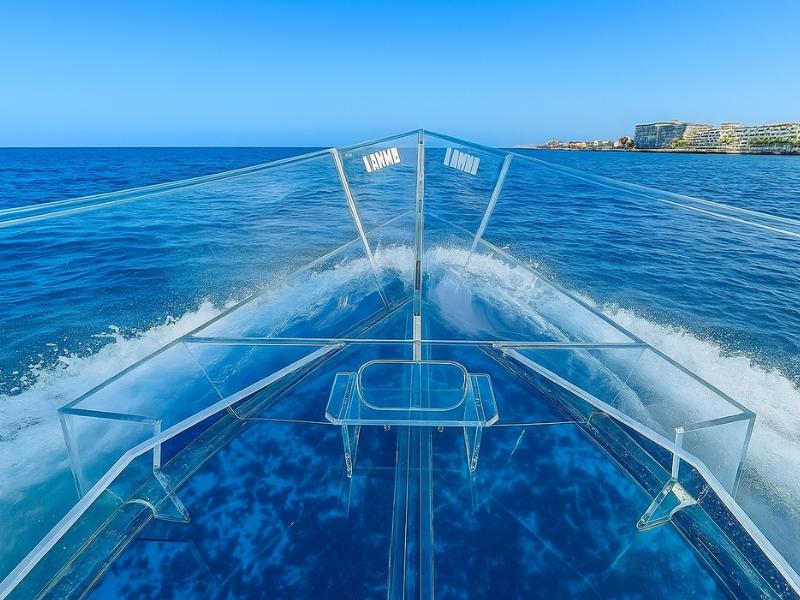
Invisible Boat Cozumel Snorkeling Adventure Tour
95 minutes. Transparent boat, guided snorkel stop, gear, water and sodas. Meet at Plaza Villamar opposite the ferry station.
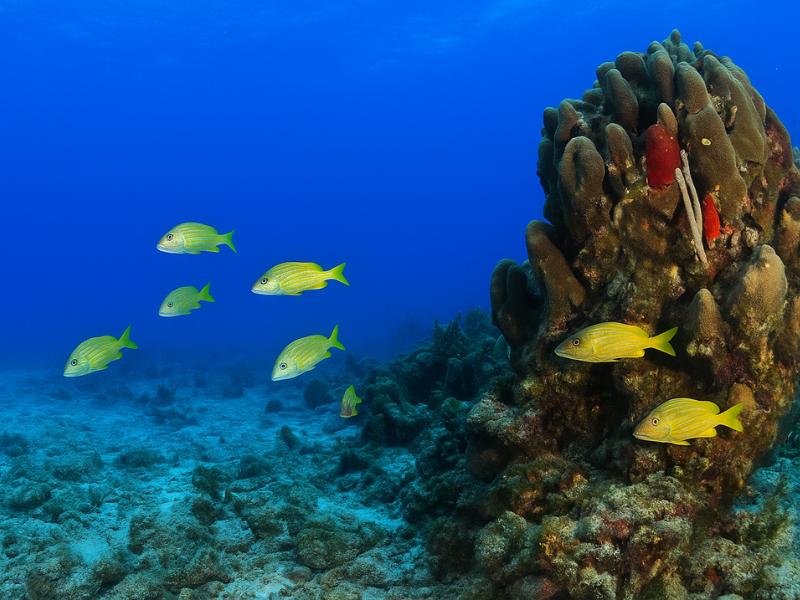
Chivis Del Mar: Coastal Snorkel Tour in Cozumel
90-minute coastal glass-bottom boat itinerary listing Dzul-Ha and Paradise reefs, with English/Spanish guide and snorkeling equipment. Meet at Chivis Del Mar, Caleta Harbor; transfers are separate.
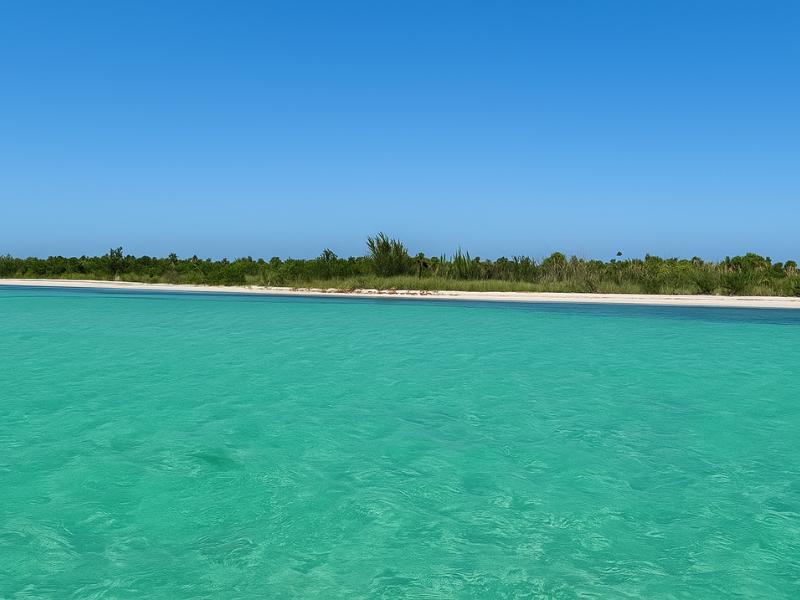
3 Reefs Cozumel Boat Tour with Snorkeling & Drinks
4 hours to Palancar, Columbia and El Cielo. English guide, gear, snack and drinks. Meet at Marina ASIPONA 15 minutes early; marine fee extra.
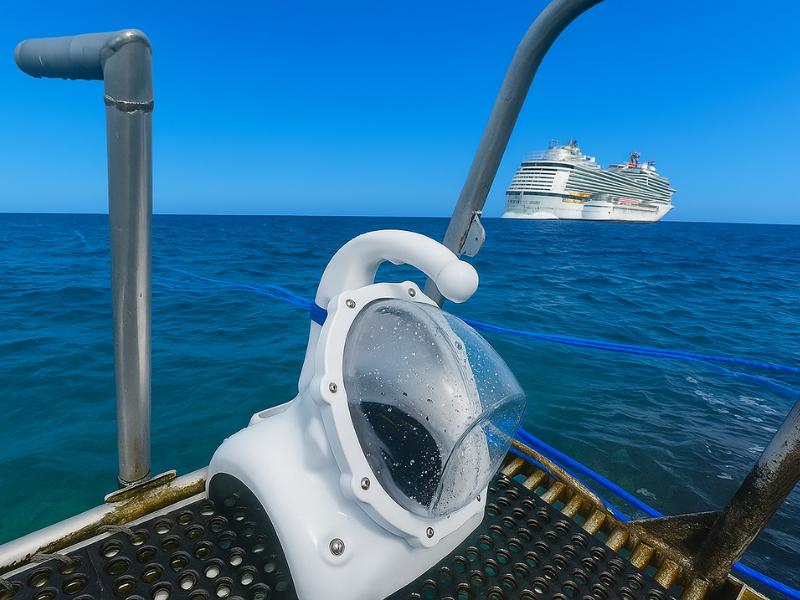
SeaTrek Helmet Diving Experience in Cozumel
80-minute experience at Jeanie’s Beach Club downtown; helmet, lockers, showers and later use of snorkel gear included.
| Site | Current Strength | Water Depth | Shore Exit Available | Turtle Probability | Eagle Ray Probability | Facilities | Non-Swimmer Rating |
|---|---|---|---|---|---|---|---|
| Chankanaab Park | None | 5-15 ft, standing depth | Yes – immediate | Not quantified; conditions vary | Rare | Excellent – full park | 10/10 Start here |
| San Francisco Beach | Very Mild | 5-20 ft, partial standing | Yes | Not quantified; conditions vary | Very rare | Basic | 7/10 Budget option |
| Paradise Reef | Mild | 8-15 ft, no standing | No – boat | Not quantified; conditions vary | Not quantified; conditions vary | Boat only | 9/10 Second step |
| Palancar Gardens | Mild-Moderate | 8-20 ft, no standing | No – boat | Not quantified; conditions vary | Not quantified; conditions vary | Boat only | 8/10 Third step |
| Columbia Reef | Moderate | 10-25 ft, no standing | No – boat | Not quantified; conditions vary | Not quantified; conditions vary | Boat only | 5/10 Confident only |
| Santa Rosa Wall | Strong | 15-30 ft, no standing | No – boat | Not quantified; conditions vary | Not quantified; conditions vary | Boat only | 2/10 Avoid |
Shore Snorkeling for Non-Swimmers
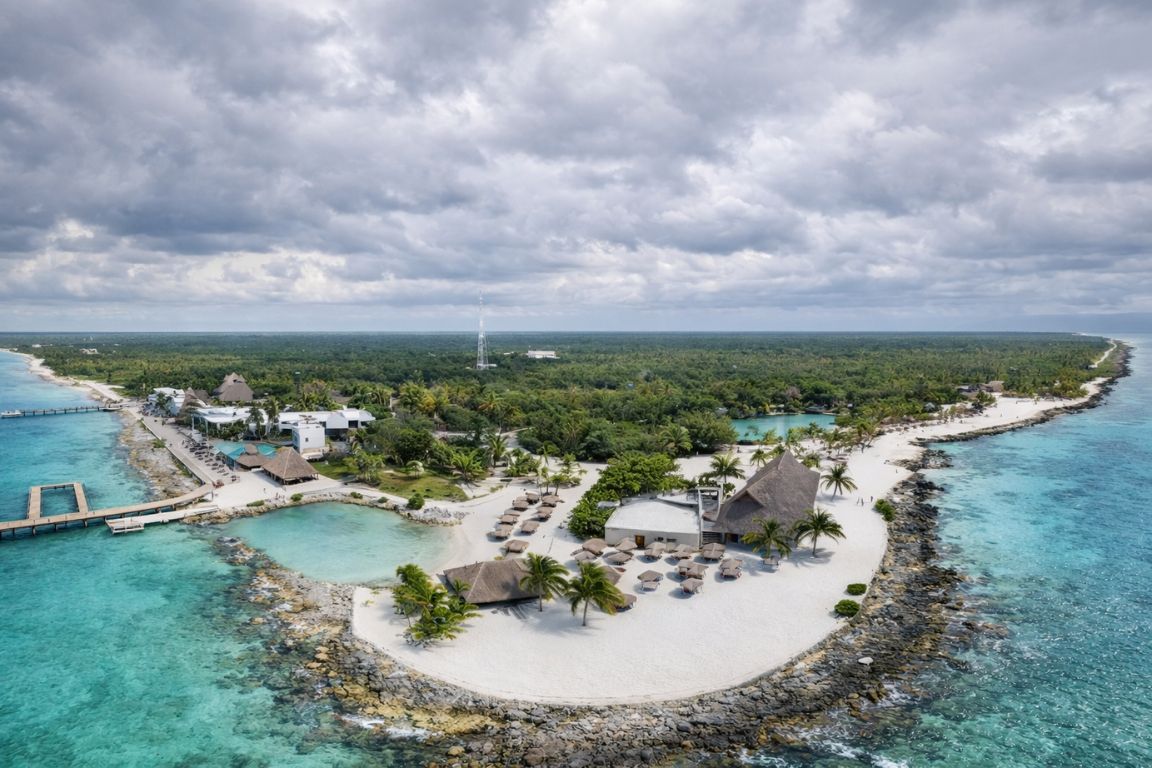
Chankanaab offers shore access, but its snorkeling area includes water too deep to stand in and rocky or stepped entries. Confirm the exact entry, conditions, supervision and accessibility before entering. Park admission alone does not establish suitability for a child or non-swimmer.
Chankanaab offers shore access, but its snorkeling area includes water too deep to stand in and rocky or stepped entries. Confirm the exact entry, conditions, supervision and accessibility before entering. Park admission alone does not establish suitability for a child or non-swimmer.
These animals may be encountered in suitable reef habitat, but sightings vary with conditions, location and animal behavior. No measured sighting rate is established here, and a tour name or route does not guarantee an encounter.
If you’re going for the underwater experience, here’s the marine life in Cozumel snorkeling tours broken down by species, reef zones, and time of year.
Equipment at shore sites: Mask, snorkel, and fins rental costs $10-15 at Chankanaab’s facility with snorkeling vests available for additional $5-8, though equipment quality varies with older inventory showing fogging and seal degradation that undermines non-swimmer confidence through constant minor equipment failures. Bringing personal mask proves the single most impactful equipment decision eliminating mask-leaking anxiety that compounds non-swimmer stress unnecessarily, with rental fins and vest acceptable substitutes for personal equipment given their less experience-critical functions. Water shoes provided or brought personally protect feet during rocky shore entry sections where sea urchins concentrate near water’s edge.
Chankanaab offers shore access, but its snorkeling area includes water too deep to stand in and rocky or stepped entries. Confirm the exact entry, conditions, supervision and accessibility before entering. Park admission alone does not establish suitability for a child or non-swimmer.
Boat Snorkeling for Non-Swimmers
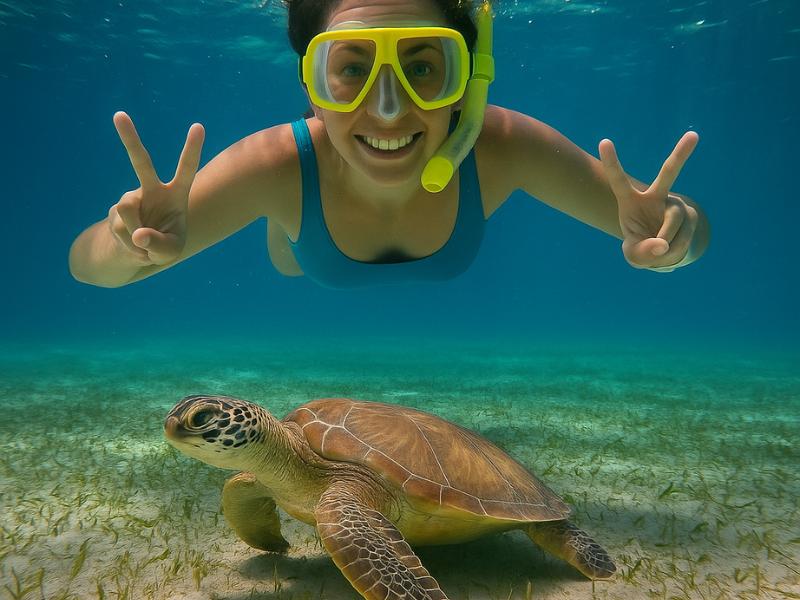
Why boat tours remain worthwhile: World-class wildlife encounters at Palancar Gardens, Columbia Reef, and Paradise Reef remain completely accessible for non-swimmers with proper vest equipment and guide support, delivering identical eagle ray, sea turtle, and nurse shark experiences that swimming companions enjoy without any meaningful quality difference attributable to swimming ability. The offshore reefs responsible for Cozumel’s international reputation sit beyond shore access entirely, making boat tours the only pathway to encounters non-swimmers deserve experiencing rather than observing through family photos afterward. Non-swimmers who skip boat tours based on unfounded swimming requirement assumptions consistently represent our guides’ most disappointing conversations, because the barrier preventing their participation exists entirely in misunderstanding rather than genuine physical limitation.
Chankanaab offers shore access, but its snorkeling area includes water too deep to stand in and rocky or stepped entries. Confirm the exact entry, conditions, supervision and accessibility before entering. Park admission alone does not establish suitability for a child or non-swimmer.
Entry and exit logistics: Boat platform entries with guide physical assistance during initial water commitment make entries smoother than non-swimmers anticipate, with guides supporting non-swimmer’s upper body during the brief transition from sitting on platform to horizontal floating position that vest immediately maintains without swimming effort. Ladder returns at tour conclusion require basic arm strength pulling body from horizontal water position onto boat rungs, with guides providing physical lifting assistance for participants finding ladder climb challenging due to fitness or mobility considerations. The few seconds between water entry and achieving comfortable vest-supported horizontal position represent the highest anxiety moment of entire non-swimmer boat tour experience, with everything becoming substantially easier once horizontal floating position establishes itself naturally.
Guide positioning: Quality operators keep non-swimmers within arm’s reach during initial site entry, gradually extending independence range as comfort signals including relaxed body position, steady breathing, and voluntary reef exploration indicate readiness for slightly increased distance. Non-swimmers should expect and welcome this close proximity rather than feeling singled out or monitored judgmentally, because attentive guide positioning during the critical first minutes of open water floating represents professional non-swimmer accommodation rather than surveillance. The guide’s physical proximity during initial floating provides both practical emergency response capability and powerful psychological reassurance that most non-swimmers report needing for approximately 3-5 minutes before independent confidence takes over.
What non-swimmers see: Identical sea turtles gliding past at arm’s length, eagle rays banking elegantly along reef walls, nurse sharks resting visibly under coral overhangs, and the spectacular coral formations of Palancar Gardens that swimmers beside them observe from the same surface position using the same equipment producing the same visual experience. Vest-supported horizontal floating creates no perceptual disadvantage versus swimming companions as both groups observe identical underwater world from identical surface position with identical snorkel equipment, making the wildlife encounter experience completely equivalent regardless of swimming ability differences irrelevant at surface depth.
If you’re trying to decide how to explore the reef, here’s our honest comparison of shore snorkeling vs boat snorkeling in Cozumel tours based on access, cost, and what you’ll see.
Minnesota couple where husband swam competitively and wife had never entered ocean water completed Palancar Gardens tour together, with wife later telling us “I saw exactly what he saw, we pointed out the same turtle at the same moment, and he kept saying he couldn’t believe I was out there” while describing the experience as the most unexpectedly triumphant moment of her adult life.
Technique Tips for Non-Swimmer Snorkelers
Breathing technique: Slow controlled mouth breathing through snorkel tube maintains comfortable carbon dioxide levels preventing the light-headedness that rapid shallow breathing produces, with the most common non-swimmer breathing error involving short anxious breaths that feel protective but actually increase anxiety through physiological responses to disrupted breathing rhythm. The correct breathing pattern mirrors relaxed sleep breathing in rate and depth rather than exercise breathing non-swimmers instinctively adopt when entering unfamiliar water environments. Guides cue breathing pace verbally during initial floating moments by saying “breathe in slowly, breathe out completely” until the natural rhythm establishes itself, with most non-swimmers finding their breathing normalizing within 60-90 seconds of achieving horizontal floating position.
Relaxation practice: Beginning in floating-on-back position at water surface establishes calm and body-in-water familiarity before transitioning to face-down snorkeling orientation, allowing non-swimmers experiencing flotation vest support in non-threatening upward-facing position before committing to face-down open water view. The back-float position lets non-swimmers feel vest buoyancy working effectively, take several calming breaths looking at familiar sky rather than unfamiliar underwater world, and consciously release muscle tension throughout body before rolling forward into snorkeling position. This brief transition practice takes 2-3 minutes but addresses the primary anxiety trigger of sudden face-down open water commitment that bypassing it creates.
Fin use: Gentle alternating kicks from the knee rather than the hip supplement vest flotation for directional movement without requiring swimming technique or significant physical effort, with fins providing enough propulsion for repositioning and reef exploration that arm paddling proves unnecessary throughout typical snorkeling sessions. Non-swimmers worried about fin coordination discover that inefficient fin kicks still produce meaningful forward movement, with the graceful efficiency of experienced snorkelers developing over multiple sessions rather than required from the first session for enjoyable wildlife encounters. Fins are genuinely optional for stationary wildlife observation at sites where mild current positions snorkelers naturally over reef sections, with motionless vest-supported floating above interesting formations requiring no movement whatsoever.
Mask clearing: Slight upward chin tilt while exhaling firmly through nose pushes water out of mask bottom seal, the only technique needed when minor leaking occurs during normal reef exploration. Practice this 2-3 times at standing depth before proceeding to reef sections so the motion becomes automatic rather than panic-inducing when needed during actual snorkeling. Non-swimmers who practice mask clearing before needing it treat minor leaking as routine maintenance while those encountering it unprepared sometimes interpret small water amounts inside mask as equipment failure requiring immediate surface return.
Snorkeling involves swimming and carries drowning risk. A flotation aid does not replace swimming ability, close supervision or an operator assessment. Non-swimmers should choose dry boat viewing unless the operator explicitly confirms a suitable supervised program. Stop if distressed and signal the guide for assistance.
Body position: Horizontal relaxed position with arms resting naturally alongside body or extended forward reduces water resistance and positions fins optimally for efficient gentle kicks, while tensed arms paddling frantically creates drag that fights vest flotation and signals the anxiety response guides immediately recognize and address. Deliberately dropping shoulder tension, releasing tight fist grips on nothing, and allowing body weight to fully surrender to vest support creates the relaxed horizontal alignment that makes snorkeling feel effortless rather than continuously demanding. Most non-swimmers achieving genuine horizontal relaxation describe the sensation as surprisingly similar to lying down, with vest support creating enough similarity to gravity-supported rest that muscle memory for relaxation transfers more readily than expected.
Practice recommendation: A single pool session before Cozumel departure practicing snorkel breathing, mask clearing, and vest-supported floating builds fundamental comfort that transforms first Cozumel ocean entry from overwhelming sensory challenge into familiar equipment management in exciting new environment. Even 30 minutes in a hotel pool wearing personal mask and snorkel before traveling removes the equipment unfamiliarity variable from the already challenging open-ocean-first-time combination non-swimmers otherwise face simultaneously.
Practice and flotation do not replace swimming ability or qualified supervision. Ask the operator to assess your needs before any water entry.
What to Bring and Wear as a Non-Swimmer
Personal mask recommendation: Bringing a personally fitted mask purchased before the trip represents the single most impactful equipment decision for non-swimmers, eliminating the mask-leaking anxiety that rental equipment’s degraded seals create at the worst possible moment during initial open-water floating confidence establishment. A properly fitted mask maintains watertight seal through correct sizing matching your specific face geometry, with rental masks serving dozens of different face shapes daily gradually losing the seal integrity that new personal equipment provides reliably. Basic personal masks cost $25-45 at sporting goods stores and online retailers, representing excellent investment when considering the anxiety reduction value during what may already feel like challenging first ocean experience.
Rashguard: Long-sleeve rashguard worn throughout snorkeling provides essential sun protection for the sustained face-down position exposing back and shoulders to direct Caribbean sun without the movement-based awareness that land activities provide as burn warning. Caribbean UV intensity combined with water’s reflective amplification burns unprotected skin dramatically faster than visitors accustomed to temperate climates expect, with the cooling water sensation masking developing burn until post-tour when significant damage has already occurred. Apply reef-safe sunscreen on face, back of hands, and any rashguard gaps before dressing, with the rashguard layer providing superior protection to sunscreen alone particularly during extended surface intervals between reef sites.
Water shoes: Shore snorkeling at Chankanaab and San Francisco Beach involves rocky entry areas where sea urchins concentrate near water’s edge, making water shoes or neoprene booties genuinely important protective equipment for non-swimmers who may move more slowly and carefully through entry zones than confident swimmers. Boat tour entries from platform over open water eliminate the urchin hazard entirely, making water shoes optional for offshore tours though some non-swimmers find the additional foot protection psychologically reassuring during boat platform entries. Lightweight water shoes serve double duty as comfortable walking shoes between taxi and dock, eliminating the separate shoe management that flip flops require on boat decks where they become genuine trip hazards.
Personal flotation device option: Non-swimmers with specific vest fit concerns can bring personal snorkeling vests from home guaranteeing familiar comfortable fit rather than discovering pier-side that available rental vests in appropriate sizes have degraded buoyancy or uncomfortable design. Snorkeling-specific inflatable oral-inflation vests compress to very small packing size fitting easily in carry-on luggage, with brands like Cressi and Mares offering reliable options in $30-60 range. Bringing personal vest eliminates the single equipment variable most likely undermining non-swimmer confidence, as operators provide vests as standard equipment but cannot guarantee specific inventory condition matching every individual’s body type and comfort requirements.
Snorkeling involves swimming and carries drowning risk. A flotation aid does not replace swimming ability, close supervision or an operator assessment. Non-swimmers should choose dry boat viewing unless the operator explicitly confirms a suitable supervised program. Stop if distressed and signal the guide for assistance.
What to leave behind: Remove all jewelry including rings, watches, and necklaces before snorkeling as metallic reflections attract barracuda investigation and clasps catch on equipment creating minor but attention-distracting issues during confidence-building initial floating moments. Underwater cameras and GoPros serve experienced snorkelers excellently but add equipment management distraction that non-swimmers benefit from eliminating during first sessions, with photography genuinely better as second-visit activity once snorkeling feels comfortable enough that documentation doesn’t compete with experience quality. Flip flops left in boat storage rather than worn to platform edge eliminate the serious trip hazard they create on wet boat decks where non-swimmers already managing anxiety don’t need additional stability challenges.
FAQ: Non-Swimmer Snorkeling Questions
1. Can I snorkel in Cozumel if I can’t swim?
Snorkeling involves swimming and carries drowning risk. A flotation aid does not replace swimming ability, close supervision or an operator assessment. Non-swimmers should choose dry boat viewing unless the operator explicitly confirms a suitable supervised program. Stop if distressed and signal the guide for assistance.
2. Is it embarrassing to wear a life vest snorkeling?
Not at all – vests are extremely common among snorkelers of all abilities with roughly 30-40% of typical tour groups wearing them regardless of swimming ability. Many confident swimmers choose vests for comfort and reduced fatigue, making vest usage a practical equipment choice rather than visible non-swimmer identifier.
3. What if I panic in open water?
Roll immediately to back-floating position, look at sky, and breathe normally until calm returns rather than attempting to continue face-down or swim toward boat. Signal guide by raising fist calmly, rest completely until ready to continue or return to boat, with guides trained specifically to recognize and assist panic responses within seconds.
4. How deep is the water during snorkeling tours?
Depth below you ranges from 8 feet at shallow sites to 60+ feet at wall reefs though surface position remains identical regardless of depth below. Vest keeps you at surface whether water beneath is 10 or 100 feet, making the depth below essentially irrelevant to your actual physical experience at surface level.
5. Will I see the same wildlife as swimmers?
Identical wildlife from identical surface position using identical equipment – swimming ability creates zero perceptual or access difference for surface snorkeling. The turtle that swims past reaches vest-supported non-swimmers at exactly the same distance as swimming companions beside them.
6. Can overweight or elderly non-swimmers snorkel safely?
Yes with appropriate operator communication beforehand ensuring properly sized vest with adequate buoyancy for body weight and guide awareness of any mobility considerations affecting entry and exit logistics. Most physical limitations affect entry and exit more than actual snorkeling, with operators experienced accommodating diverse physical needs when informed in advance rather than surprised at pier.
7. Should I start with shore or boat snorkeling as a non-swimmer?
Chankanaab offers shore access, but its snorkeling area includes water too deep to stand in and rocky or stepped entries. Confirm the exact entry, conditions, supervision and accessibility before entering. Park admission alone does not establish suitability for a child or non-swimmer.
8. How do I clear water from my snorkel if I’m not a swimmer?
Single sharp exhalation through tube pushes water out completely in under one second without any diving, submersion, or special technique beyond normal breathing effort. Practice at standing depth before reef exploration by dipping snorkel tip briefly underwater and clearing with one sharp breath out until the reflex becomes automatic.
Glossary: Non-Swimmer Snorkeling Terms
Snorkeling involves swimming and carries drowning risk. A flotation aid does not replace swimming ability, close supervision or an operator assessment. Non-swimmers should choose dry boat viewing unless the operator explicitly confirms a suitable supervised program. Stop if distressed and signal the guide for assistance.
Snorkeling Vest vs Life Jacket: Snorkeling vests provide comfortable flexible torso flotation allowing natural arm movement and horizontal body positioning optimal for face-down snorkeling. Traditional life jackets provide greater emergency buoyancy but restrict movement and create uncomfortable chin pressure during extended face-down position, making snorkeling-specific vests strongly preferable for recreational use.
Passive Flotation: Maintaining surface position through vest buoyancy rather than active swimming movement, requiring complete muscular relaxation rather than the continuous effort active swimming demands. Non-swimmers learning to trust passive flotation rather than fighting it through tension discover snorkeling requires dramatically less physical effort than any swimming activity they’ve previously attempted.
Chankanaab offers shore access, but its snorkeling area includes water too deep to stand in and rocky or stepped entries. Confirm the exact entry, conditions, supervision and accessibility before entering. Park admission alone does not establish suitability for a child or non-swimmer.
Open Water Commitment: The moment boat tour participants enter water away from shore, committing to surface floating for site visit duration without immediate standing-depth exit option. Understanding that vest flotation proves equally reliable in deep offshore water as in shallow shore conditions transforms this commitment from frightening threshold into manageable confidence step.
Breathing Technique: Slow controlled mouth breathing through snorkel tube maintaining comfortable respiratory rhythm preventing anxiety escalation through physiological calm signals. Panic breathing pattern of short rapid breaths disrupts carbon dioxide balance creating light-headedness that compounds anxiety, making deliberate slow breathing the most important non-swimmer skill beyond basic flotation.
Guide-Assisted Snorkeling: Professional guide providing physical assistance during water entries, close proximity monitoring during initial floating confidence establishment, and emergency response capability throughout tours for non-swimmers specifically. Quality operators provide genuinely attentive guide assistance rather than token supervision, with small group ratios enabling individual non-swimmer accommodation impossible in large tour groups.
Comfort Threshold: Individual point where vest-supported floating transitions from anxiety-producing to genuinely comfortable, typically occurring 3-7 minutes into initial water entry as underwater visual experience replaces flotation concern as primary mental focus. Understanding comfort threshold as predictable transition rather than uncertain outcome helps non-swimmers persist through initial anxiety knowing relaxation reliably follows for virtually everyone within the first several minutes.
Ready to Experience Cozumel’s Reefs as a Non-Swimmer?
Snorkeling involves swimming and carries drowning risk. A flotation aid does not replace swimming ability, close supervision or an operator assessment. Non-swimmers should choose dry boat viewing unless the operator explicitly confirms a suitable supervised program. Stop if distressed and signal the guide for assistance.
Non-swimmers consistently provide our guides’ most rewarding feedback, describing Cozumel snorkeling as the most surprisingly positive physical experience of their adult lives precisely because they arrived expecting impossibility and discovered genuine ease. The combination of unexpected comfort with world-class wildlife creates emotional responses that confident swimmers taking reef access for granted rarely match.
When you check the 3 Reefs boat tour, tell the operator you do not swim, plus any water anxiety or mobility needs, so a vest and guide plan are ready before you reach the pier.
Start with the one-hour invisible-boat snorkel (vest, fins, and mask included) or check the 3 Reefs boat tour, which includes gear and lists all skill levels as welcome.
From the guides at Cozumel Snorkeling Tours who’ve introduced hundreds of non-swimmers to Palancar’s sea turtles and Columbia’s eagle rays, consistently watching people discover that the ocean they assumed was closed to them has been waiting all along for the right equipment and the right guidance to make it genuinely, completely theirs.