Best Time to Go Snorkeling in Cozumel
Is there really a “perfect” month for Cozumel snorkeling — or can bad timing ruin your trip? We break down visibility, hurricane risks, cruise crowds, marine life seasons, and price patterns month-by-month so you know exactly when to go for clear water, fewer boats, and the best possible reef experience.
Last updated: March 11, 2026
Travelers planning Cozumel snorkeling trips encounter wildly conflicting advice online, with some sources declaring any month perfect while others warn about hurricanes, murky water, or overwhelming cruise ship crowds making certain periods genuinely terrible choices. The honest answer isn’t simple because Cozumel’s snorkeling quality varies significantly across twelve months from world-class 100-foot visibility during winter dry season to storm-reduced murky conditions September through October, with crowd levels, pricing, and marine life encounters adding further complexity to timing decisions. Getting the timing right transforms a good trip into an exceptional one, while poor timing means paying premium prices for mediocre visibility or battling spring break crowds at every reef.
Choose an experience and month; daily conditions and departures still need confirmation. Explore Turtle Sanctuary Catamaran
At Cozumel Snorkeling Tours where we run trips every single month and watch conditions change across years of operation, we provide honest month-by-month assessment based on actual water conditions rather than generic Caribbean travel advice. This complete seasonal guide covers visibility and water clarity patterns throughout the year, hurricane season risks and Norte wind impacts, monthly crowd levels and how cruise ship traffic affects reef access, marine life calendars showing when whale sharks, manta rays, and spawning aggregations appear, pricing patterns revealing genuine value windows, and specific site recommendations matching seasonal conditions, giving you everything needed making the right timing decision based on actual priorities whether photography, marine life encounters, budget, or simply avoiding crowds.
Best Time to Snorkel in Cozumel
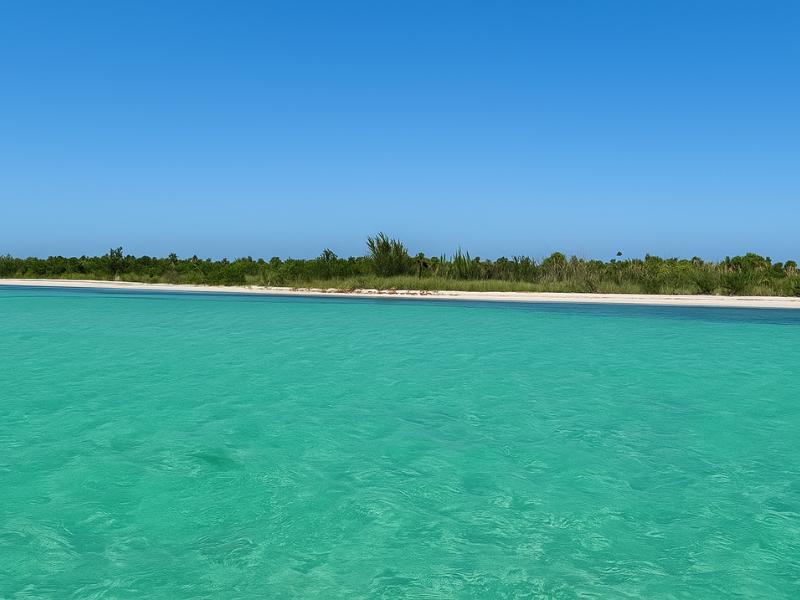
December through April dry season delivers best overall snorkeling conditions combining 80-100+ foot visibility, minimal rain disruption, calm morning seas, and reliable reef access making this period genuinely exceptional for underwater experiences.
Secondary window: May and June offer excellent transitional conditions with good 70-90 foot visibility, significantly fewer crowds than peak season, lower pricing, and bonus whale shark season beginning nearby, representing outstanding value window before serious hurricane threats emerge July onward.
Avoid: September and October represent peak hurricane season with highest storm probability, reduced visibility from runoff and surge, rough surface conditions canceling tours frequently, and overall unreliable conditions making these genuinely poor timing choices despite rock-bottom pricing attempting to attract visitors during difficult months.
Key factors: Visibility proves most critical factor as Cozumel’s world-class reefs require clear water fully appreciating coral formations and marine life, followed by weather reliability preventing tour cancellations, crowd levels affecting reef tranquility and tour availability, water temperature remaining comfortable year-round (77-84°F / 25-29°C) making this least important seasonal variable. Pricing varies 20-40% between peak and low seasons creating significant budget implications for families or extended stays.
Practical recommendation: December through April balances optimal visibility, reliable weather, consistent tour operations, and complete reef accessibility, making this period appropriate for most travelers despite premium pricing and peak crowds. Book accommodations and tours 2-3 months advance for this window ensuring availability at preferred operators and reasonable rates.
We’ve answered the question is Cozumel good for snorkeling with details on reef conditions, marine life, and how it stacks up against other Caribbean destinations.
| Month | Visibility | Weather | Crowds | Pricing | Marine Life Highlights | Overall Rating |
|---|---|---|---|---|---|---|
| January | 80-100+ ft – Excellent | Good – Occasional Norte winds | High – Peak season | High – Premium rates | Manta rays, eagle rays, nurse sharks | 9/10 |
| February | 80-100+ ft – Excellent | Good – Norte possible | High – Peak season | High – Premium | Manta rays peak, turtles active | 9/10 |
| March | 80-100+ ft – Excellent | Very Good – Warming | Very High – Spring break | Very High – Peak | Eagle rays, sea turtles, all reef fish | 7/10 (crowds hurt) |
| April | 80-100+ ft – Excellent | Excellent – Calm, warm | Moderate – Post spring break | Moderate – Dropping | All residents, excellent diversity | 10/10 Best Month |
| May | 70-90 ft – Very Good | Good – Transition starts | Low-Moderate – Shoulder | Moderate-Low | Whale sharks begin, turtles nesting | 9/10 Best Value |
| June | 70-85 ft – Good | Fair – Storms possible | Low – Shoulder season | Low-Moderate | Whale sharks peak starts, turtle nesting | 8/10 Good Value |
| July | 65-80 ft – Good | Fair – Afternoon storms | Moderate – Family season | Moderate | Whale sharks, turtle hatchlings | 7/10 |
| August | 60-75 ft – Moderate | Fair – Storm risk | Moderate | Low-Moderate | Coral spawning full moon, whale sharks | 7/10 |
| September | 40-70 ft – Variable | Poor – Hurricane peak | Very Low | Lowest – Risky discount | Limited – Storm disruption | 3/10 Avoid |
| October | 40-70 ft – Variable | Poor – Hurricane risk | Very Low | Very Low | Limited – Conditions poor | 4/10 Avoid |
| November | 70-90 ft – Good | Good – Improving | Low – Shoulder | Low-Moderate | Spawning aggregations, improving diversity | 8/10 Good Value |
| December | 80-100 ft – Excellent | Very Good – Dry season starts | High – Holiday season | High – Holiday premium | Mantas returning, full reef residents | 9/10 |
Cozumel’s Two Main Seasons Explained
Dry season (December-April): Cozumel’s premier snorkeling window delivers consistently excellent conditions across five months with virtually zero rainfall during peak December-March period, stable trade winds maintaining manageable sea surfaces most mornings, and overall reliable underwater conditions making trip planning straightforward without weather anxiety. Best visibility of year appears during this window with 80-100+ foot clarity typical allowing full appreciation of Palancar and Columbia reef systems where wall formations drop dramatically from shallow snorkeling depths. Consistent conditions enable experienced guides predicting tour quality accurately, recommending specific sites matching daily wind directions, and overall delivering reliable exceptional experiences versus wet season’s variable daily forecasting challenges. The only disruption comes from occasional Norte wind events (December-February particularly) when cold fronts push down from North America creating choppy surface conditions, though these typically last 1-3 days before calming and primarily affect exposed northern sites rather than sheltered western locations.
Wet season (May-November): More variable conditions throughout this six-month window ranging from quite good May-June and November to genuinely risky September-October, requiring greater flexibility and weather monitoring though delivering significantly lower prices and reduced crowds rewarding adaptable travelers. Hurricane season officially runs June 1-November 30 though actual risk concentrates heavily in August-October with September representing peak probability, while May, June, and November rarely see significant storm impacts despite falling within technical wet season definition. Afternoon thunderstorms common July-October typically lasting 1-3 hours before clearing, with experienced operators scheduling morning departures specifically avoiding afternoon weather windows, making early booking and flexible scheduling important wet season strategies. Lower tourism pressure during shoulder months (May-June, November) creates more intimate reef experiences with smaller tour groups, more patient guide attention, and overall less crowded underwater environments compensating somewhat for reduced visibility compared to dry season peak clarity.
Temperature ranges: Water temperature proves remarkably stable year-round ranging 77-82°F (25-28°C) winter months to 82-84°F (28-29°C) summer peak, making thermal comfort a non-issue for snorkeling decisions unlike destinations with dramatic seasonal temperature swings. Most snorkelers find light 3mm wetsuit comfortable December-February when water cools slightly, while summer months feel bathtub-warm without any thermal protection needed. The minimal temperature variation means this factor essentially doesn’t influence timing decisions, with visibility, weather, and crowd levels proving far more consequential for overall snorkeling quality.
Rainfall patterns: Dry season December-April experiences virtually zero significant rainfall with clear blue skies dominating, occasional brief cloud cover creating no meaningful disruption to snorkeling operations or visibility. Wet season afternoon convective showers develop regularly June-October typically building midday from inland heat, moving offshore by 2-4pm with dramatic lightning accompanying heavier cells requiring brief shelter, though morning snorkeling schedules largely avoid these patterns. November transitions toward dry season showing rapidly decreasing rainfall frequency and intensity, while December marks essentially complete transition to reliable dry conditions making late November through early December an underrated sweet spot combining improving conditions with lower pricing before peak season crowds and rates arrive fully.
Wind conditions: Winter Norte events represent primary wind concern during dry season when cold fronts periodically push strong northerly winds (25-40 mph) creating choppy conditions on normally calm western sites, typically lasting 1-3 days and redirecting tours toward sheltered southern or protected leeward sites. Summer trade winds 10-20 mph blow reliably from the east-southeast keeping conditions generally manageable though occasionally limiting access to certain exposed sites, while providing natural cooling reducing heat and humidity discomfort. The predictable trade wind patterns allow experienced operators reading conditions accurately and selecting appropriate sites daily, with Norte events the primary wildcard requiring flexibility in January-February particularly though even these pass quickly restoring excellent conditions.
Visibility ranges: Dry season 80-100+ foot visibility represents world-class clarity enabling complete wall appreciation, distant reef structure identification, and overall exceptional underwater photography and marine observation. Wet season ranges vary from quite good 70-90 feet during May-June and November to moderate 60-75 feet July-August to genuinely reduced 40-70 feet September-October when storm runoff, surge, and reduced solar penetration through cloud cover combine degrading clarity. The difference between 100-foot and 50-foot visibility proves dramatic for snorkeling quality as half the visibility means half the reef visible from surface, missing distant formations and overall reducing the expansive underwater landscape experience Cozumel’s reputation depends upon.
| Factor | Dry Season (Dec-Apr) | Wet Season (May-Nov) | Winner |
|---|---|---|---|
| Visibility | 80-100+ feet typical | 40-90 feet variable | Dry Season |
| Water Temperature | 77-82°F (25-28°C) | 82-84°F (28-29°C) | Tie – Both comfortable |
| Rainfall | Virtually zero | Afternoon showers common | Dry Season |
| Hurricane Risk | Zero | Moderate-High (Aug-Oct peak) | Dry Season |
| Norte Wind Events | Occasional (Dec-Feb) | Minimal | Wet Season |
| Crowds | High-Very High | Low-Moderate | Wet Season |
| Tour Pricing | Not quantified; conditions vary | Low-Moderate – significant savings | Wet Season |
| Marine Life Variety | Excellent – all residents | Good plus seasonal additions (whale sharks) | Tie – Different highlights |
| Tour Cancellation Risk | Not quantified; conditions vary | Moderate-High – 20-40% Sept-Oct | Dry Season |
| Accommodation Pricing | Premium rates | Budget-moderate rates | Wet Season |
| Overall Snorkeling Quality | Excellent – Consistent | Variable – Good to Poor | Dry Season |
| Best For | Quality-focused, photographers, first-timers | Budget travelers, crowd-averse, whale shark seekers | Depends on priorities |
Month-by-Month Snorkeling Conditions
January-February: Excellent visibility consistently reaching 80-100+ feet with dry season fully established, calm morning seas, and clear blue skies making these months among Cozumel’s most reliable for exceptional snorkeling. Norte wind events represent primary disruption risk when cold fronts periodically create choppy conditions on western sites, typically lasting 1-3 days before calming. Operators redirect tours toward sheltered southern alternatives during Norte periods, minimizing disruption impact. Manta ray sightings peak during these months creating spectacular large-ray encounters, while water temperature drops to annual low around 77-79°F (25-26°C) making lightweight wetsuits comfortable.
March-April: March delivers excellent visibility continuing dry season consistency but spring break crowds mid-March through early April create busiest reef conditions of the entire year. Multiple tour boats at popular sites simultaneously make early morning departures and careful site selection critically important. April proves many guides’ favorite month combining continued 80-100+ foot visibility, Norte winds essentially finished, spring break crowds departed, and perfect calm conditions. Marine life diversity peaks with eagle rays schooling impressively, sea turtles increasingly active, and full tropical reef fish complement creating comprehensive wildlife encounters.
May-June: Still-excellent 70-90 foot visibility with rainy season technically beginning but meaningful rainfall remaining infrequent, creating outstanding shoulder season at substantially reduced prices. Whale shark season beginning May near Isla Mujeres adds spectacular bucket-list encounters to already strong conditions, making this period particularly appealing for marine life enthusiasts. Significantly reduced tourist pressure creates more intimate reef experiences with fewer boats and smaller tour groups receiving more guide attention. June brings gradual afternoon thunderstorm increases though morning schedules consistently avoid weather windows.
July-August: Hot humid conditions reaching 88-92°F (31-33°C) air temperature create uncomfortable surface intervals, while afternoon thunderstorm frequency increases requiring increasingly early departures. Whale shark season peaks July-August near Isla Mujeres with largest aggregations and highest encounter probability, creating compelling reason visiting despite heat considerations. Family tourism peaks during school holidays creating moderate crowds, with operators running maximum departure frequencies meeting demand. Visibility remains acceptable 65-80 feet during normal conditions with quick 24-48 hour recovery following weather events.
September-October: Peak hurricane season creates genuinely poor timing with highest storm probability, frequent tour cancellations, reduced visibility from surge and runoff, and unreliable conditions despite rock-bottom pricing. September represents statistical Atlantic hurricane season peak with multiple named storms typically active simultaneously creating constant uncertainty about potential impacts. Even near-miss storms generate swells reducing visibility dramatically and closing sites for extended periods without direct landfall. Pricing drops 40-50% below peak rates though savings prove false economy when tours cancel repeatedly or poor visibility ruins underwater experiences.
November: Rapidly improving transitional month showing dramatic recovery from October low with visibility increasing week-by-week as rainy season concludes and hurricane risk drops sharply after mid-month. Spawning aggregations of snapper and grouper create spectacular marine life events unique to this period, rewarding knowledgeable visitors timing trips around these biological occurrences. Crowd levels remain low through most of November with Thanksgiving week exception, making early-mid November ideal for quiet snorkeling with improving conditions. Late November delivers conditions approaching dry season quality at shoulder season pricing.
December: Dry season returns fully bringing excellent visibility rapidly approaching 80-100 feet as rains cease completely, with calm consistent morning conditions and exceptional reef access. Early December proves one of year’s most underrated snorkeling windows before holiday crowds build mid-month. Christmas and New Year’s period brings significant crowd surge requiring well-advance planning for preferred operators and departure times. Manta ray sightings increase as these large rays return following warmer months, creating exciting encounters rewarding observant snorkelers.
| Month | Visibility | Weather Risk | Crowds | Pricing | Marine Life Highlights | Norte Risk | Overall Rating |
|---|---|---|---|---|---|---|---|
| January | 80-100+ ft | Low | High | High | Manta rays peak, eagle rays | Moderate | 9/10 |
| February | 80-100+ ft | Low | High | High | Manta rays, turtles, eagle rays | Moderate | 9/10 |
| March | 80-100+ ft | Very Low | Very High | Very High | Full reef diversity, eagle rays schooling | Low | 7/10 |
| April | 80-100+ ft | Very Low | Moderate | Moderate | Full diversity, turtles, best overall | Very Low | 10/10 Best |
| May | 70-90 ft | Low | Low-Moderate | Moderate-Low | Whale sharks begin, turtle nesting | None | 9/10 Value |
| June | 70-85 ft | Low-Moderate | Low | Low-Moderate | Whale sharks active, coral life | None | 8/10 |
| July | 65-80 ft | Moderate | Moderate | Moderate | Whale sharks peak, hatchlings | None | 7/10 |
| August | 60-75 ft | Moderate-High | Moderate | Low-Moderate | Whale sharks, coral spawning full moon | None | 7/10 |
| September | 40-70 ft | High – Peak | Very Low | Lowest | Limited – storm disruption | None | 3/10 Avoid |
| October | 40-70 ft | High | Very Low | Very Low | Limited – poor conditions | None | 4/10 Avoid |
| November | 70-90 ft | Low-Moderate | Low | Low-Moderate | Spawning aggregations, improving diversity | None-Low | 8/10 Value |
| December | 80-100 ft | Low | High – Holiday | High | Mantas returning, full reef residents | Low | 9/10 |
Water Visibility and Conditions
Recommended tours by season
3 Reefs Cozumel Boat Tour with Snorkeling & Drinks
4 hours to Palancar, Columbia and El Cielo. English guide, gear, snack and drinks. Meet at Marina ASIPONA 15 minutes early; marine fee extra.
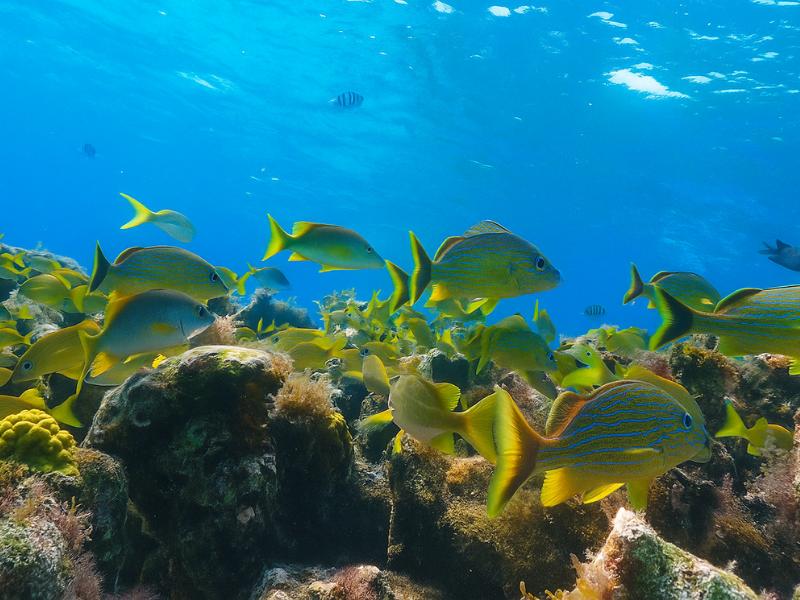
Turtle Sanctuary Luxury Catamaran Experience in Cozumel (4 Hours)
4-hour catamaran visiting the turtle sanctuary, El Cielo and El Cielito. Gear, fruit, ceviche, drinks and onboard bathroom included.
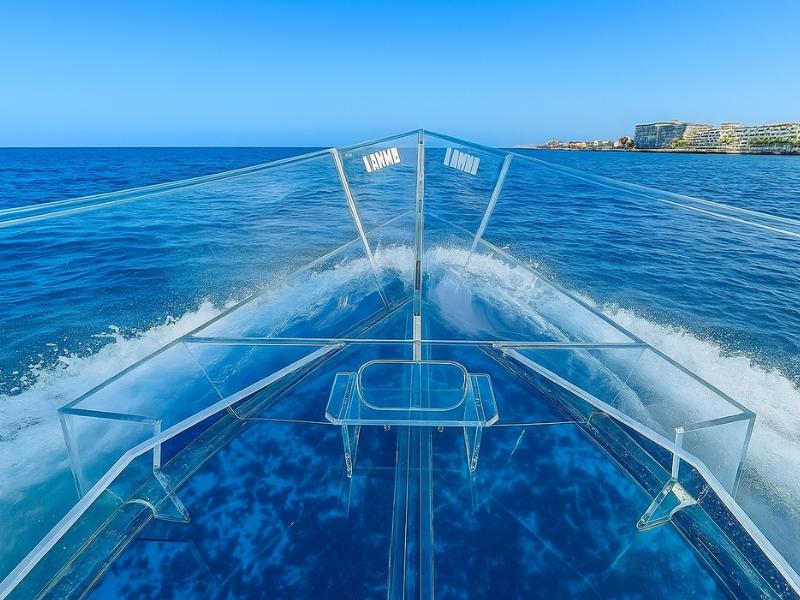
Invisible Boat Cozumel Snorkeling Adventure Tour
95 minutes. Transparent boat, guided snorkel stop, gear, water and sodas. Meet at Plaza Villamar opposite the ferry station.
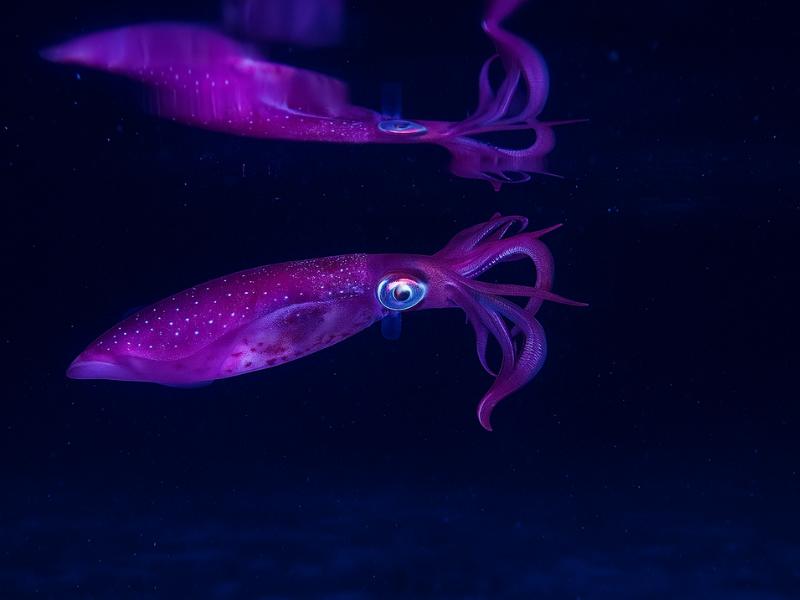
Cozumel Night Snorkeling: Observe Octopus & Marine Life
90 minutes, with about an hour in the water. Shore entry by Money Bar, snorkeling gear, lamps and videos included.
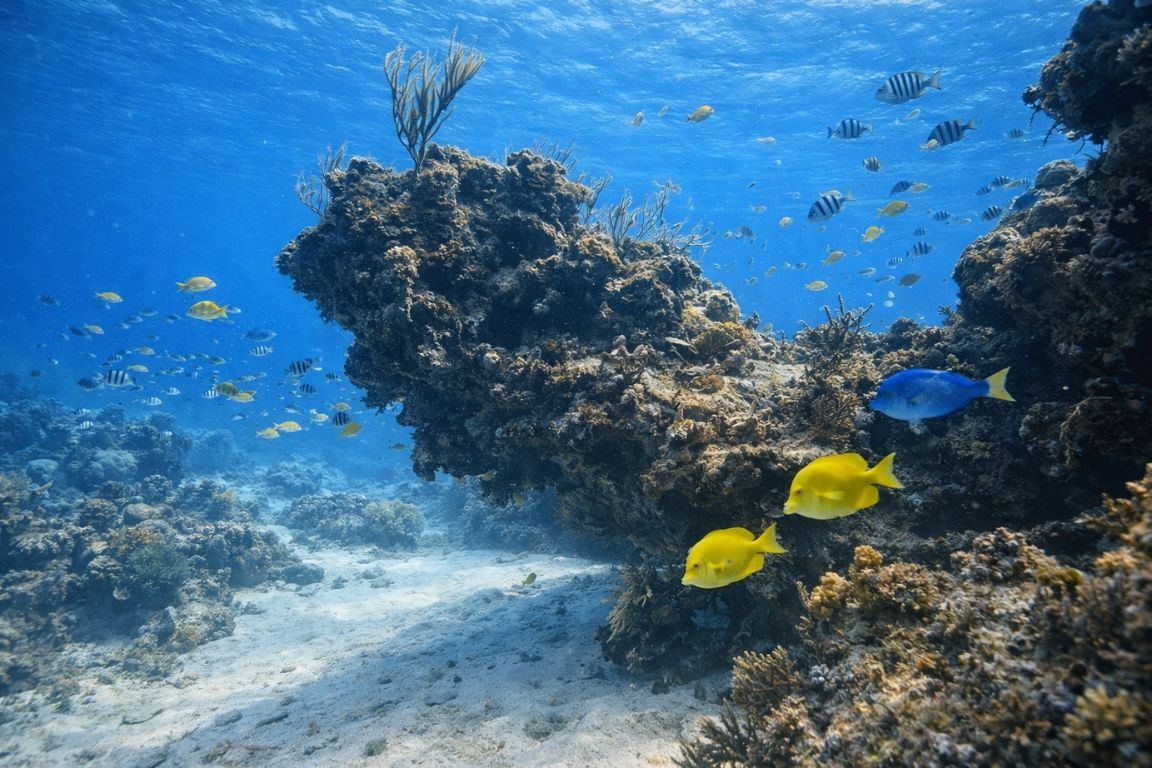
Average visibility: Cozumel consistently ranks among world’s top snorkeling destinations primarily due to extraordinary water clarity averaging 60-100+ feet across most of the year. Caribbean current circulation and limited freshwater runoff maintain exceptional transparency allowing complete reef wall appreciation from surface. The Mesoamerican Barrier Reef benefits from strong oceanic current flushing conditions constantly, preventing sediment accumulation reducing clarity elsewhere. Even Cozumel’s worst acceptable days at 60-70 feet exceed excellent conditions at most worldwide snorkeling destinations.
Best visibility months: January through April delivers consistent 80-100+ foot clarity with dry season eliminating rainfall runoff, clear skies maximizing light penetration, and calm conditions preventing sediment disturbance. April specifically shows some operators reporting 100-120+ foot visibility when current, light, and calm conditions align perfectly. The combination of maximum clarity with complete coral formations and optimal lighting creates conditions professional underwater photographers specifically target during this window.
Worst visibility months: September and October show most significant visibility reduction with storm runoff, hurricane surge stirring bottom sediment, and reduced solar penetration through persistent cloud cover combining to reduce clarity to 40-60 feet. Recovery from major storm impacts requires weeks to months depending on severity, with resuspended sediment creating extended murky periods. Even average September-October days without direct storm impacts show noticeably reduced clarity compared to dry season peak.
New York photographer visiting December experienced 95-foot visibility at Palancar Reef describing entire wall sections visible simultaneously from surface with coral formations, fish schools, and turtle silhouettes creating underwater landscape unlike anything previously experienced. His colleague visiting September for budget pricing found 50-foot visibility, cancelled two tours from rough conditions, calling it “snorkeling in green soup” compared to photos he’d seen online.
Wondering about the risks? Check out our guide on is it safe in Cozumel snorkeling tours – it covers everything from currents to wildlife encounters.
Weather Patterns and Hurricane Risk
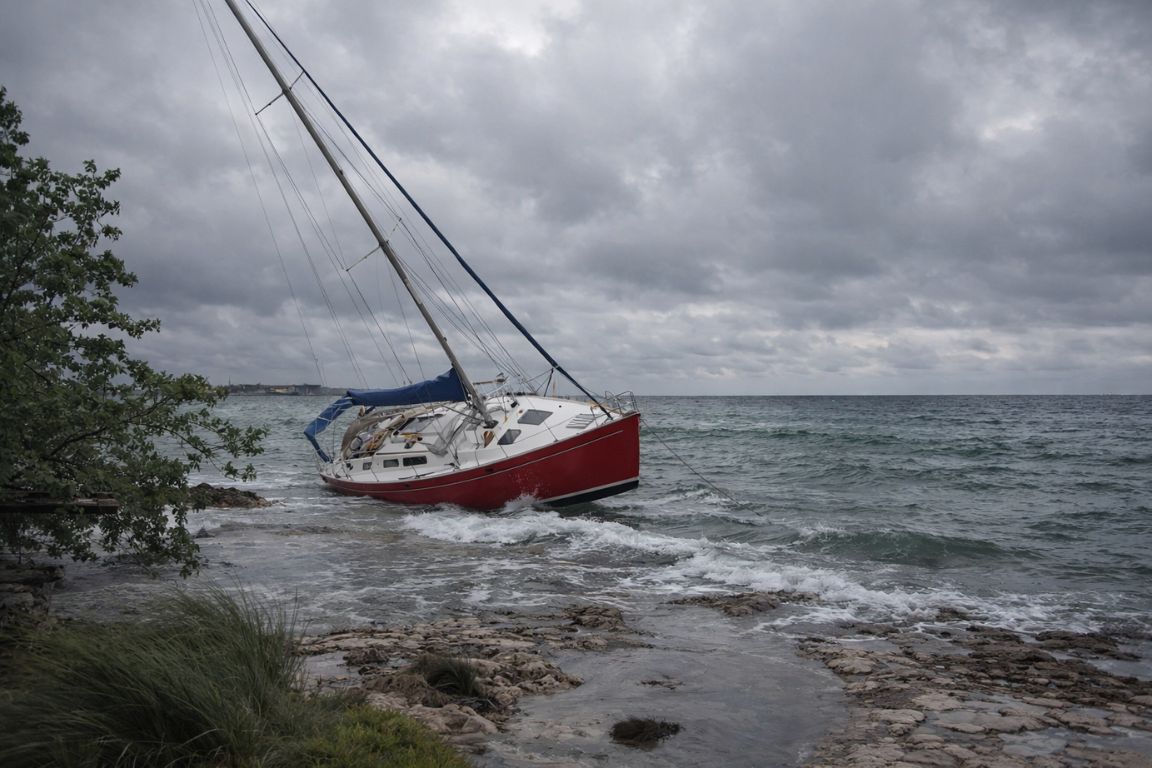
Hurricane season: Official Atlantic hurricane season runs June 1-November 30 with actual risk heavily concentrated August-October rather than spread evenly across six months. September historically shows highest storm probability with multiple active systems common, while November sees rapid risk reduction as cooling sea temperatures remove primary hurricane fuel. Cozumel’s western Caribbean location creates vulnerability from both Gulf of Mexico storms tracking eastward and Atlantic storms tracking westward.
Historical hurricane impacts: Major storms including Hurricane Wilma (2005) caused significant reef damage and extended visibility recovery periods lasting months, demonstrating genuine long-term consequences beyond immediate trip disruption. Near-miss storms not making direct landfall still generate significant swells and rainfall runoff affecting visibility for 1-3 weeks following passage. Reef recovery from major hurricanes takes years, though Cozumel’s reefs show remarkable resilience with current conditions largely recovered from historical impacts.
Norte winds: December through February cold fronts periodically push strong northerly winds from continental North America creating surface disruption on normally calm western reef sites. Norte strength varies from moderate events (15-25 mph) creating manageable choppiness to strong fronts (25-40 mph) closing western sites entirely for 1-3 days. Experienced operators monitor approaching fronts 48-72 hours advance, redirecting tours toward sheltered alternatives with minimal disruption to overall trip quality.
Wind strength: Prevailing trade winds blow consistently 10-20 mph from east-southeast throughout most of the year providing pleasant cooling and predictable drift snorkeling current patterns. Norte events increase winds temporarily to 25-40 mph creating difficult conditions though subsiding quickly within days. Wind direction critically affects site selection daily with eastern shore inaccessible during strong easterly conditions while western sites prove excellent most of the year.
Practical recommendation: Book December through April for maximum weather reliability with essentially zero hurricane risk and consistent conditions enabling confident advance planning. Avoid September and October completely as weather risk, tour cancellation probability, and reduced visibility combine creating poor value regardless of pricing discounts attempting to compensate for genuinely difficult conditions.
Marine Life by Season
 Year-round residents: Eagle rays glide gracefully along reef walls throughout all twelve months, appearing reliably at Palancar and Columbia sites regardless of season, making them the consistent highlight of every Cozumel snorkeling trip. Sea turtles prove equally dependable with green and hawksbill turtles resting on coral formations, feeding on sea grass, and swimming through reef systems year-round. Nurse sharks rest motionless under coral overhangs and ledges throughout all seasons, providing close observation opportunities without seasonal planning requirements. Hundreds of tropical fish species including queen angelfish, parrotfish, French grunts, and spotted drum populate reefs consistently, ensuring colorful marine encounters regardless of when you visit.
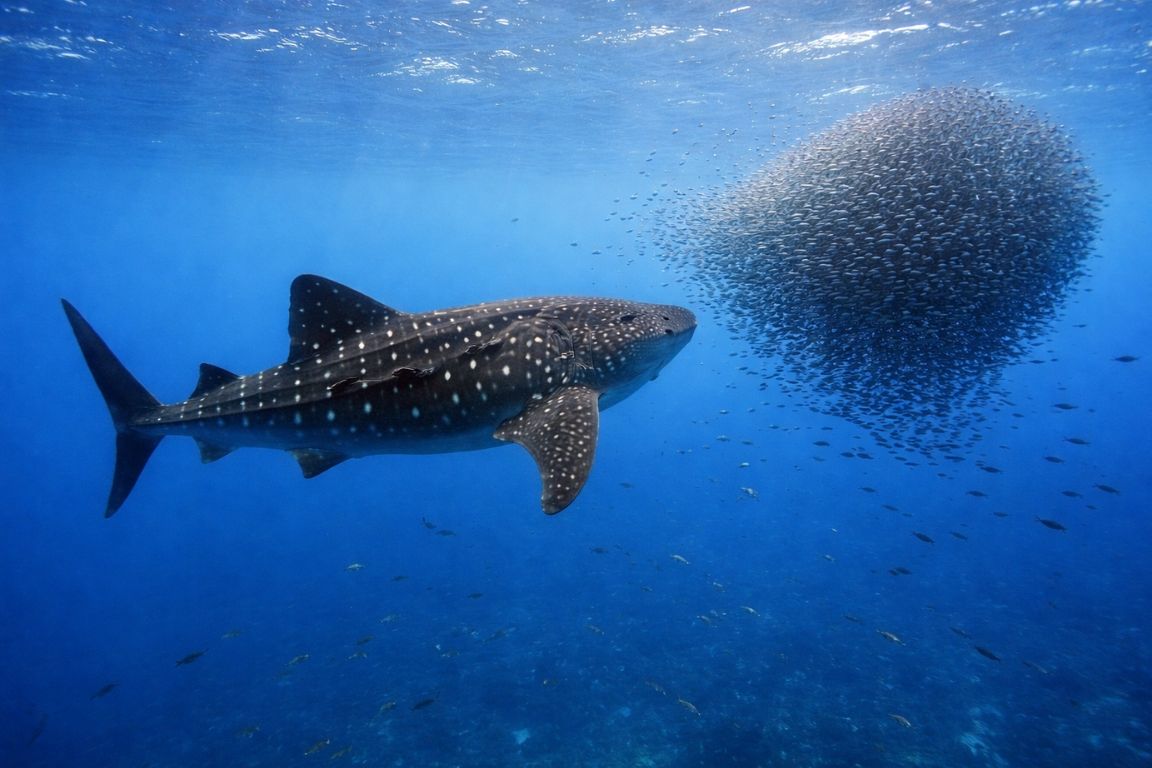
Whale sharks: These gentle giants aggregate May through September near Isla Mujeres, accessible via full-day boat trip from Cozumel covering approximately 2 hours each direction. June through August represents peak aggregation period with largest numbers and highest encounter probability, sometimes involving 20-30 individual whale sharks simultaneously. The experience ranks among world’s most spectacular marine wildlife encounters with snorkelers swimming alongside 30-40 foot filter feeders. Day trips cost $150-250 per person including transportation, guide, snorkel equipment, and lunch, requiring advance booking during peak June-August period.
Manta rays: December through March brings increased manta ray sightings as these large pelagic rays appear more frequently along Cozumel’s western reef systems during winter months. Encounters involve both reef mantas (smaller, resident species) and occasional oceanic mantas passing through, with wingspans reaching 10-15 feet creating memorable close encounters. Sightings remain unpredictable and cannot be guaranteed though winter months show significantly higher probability than summer period. Experienced guides know specific cleaning stations where mantas return regularly for parasite removal, improving encounter success rates.
Spawning aggregations: November and December bring spectacular snapper and grouper spawning events when large fish gather in impressive concentrated numbers at specific reef locations, creating underwater spectacles impossible during other months. Nassau grouper aggregations prove particularly notable with hundreds gathering at traditional spawning sites, representing biologically significant events that local marine protection efforts specifically preserve. These aggregations attract predators including large sharks, creating additional marine life activity for observant snorkelers. Timing varies with lunar cycles making specific dates unpredictable though November-December window reliable for encounter probability.
Turtle nesting: May through October marks beach nesting season when female sea turtles crawl ashore laying eggs at night on Cozumel’s beaches, with August through November producing hatchling emergences as eggs incubate approximately 60 days. Snorkelers encounter increasing juvenile turtle activity in shallow reef areas during August-November as hatchlings begin ocean life, while adult females show heightened activity swimming near nesting beaches during May-July laying season. The overlap of turtle nesting season with whale shark aggregations during June-August creates exceptional combined marine wildlife experiences for visitors timing trips around multiple species encounters simultaneously.
We’ve mapped out the marine life in Cozumel snorkeling tours so you know which creatures are common sightings and which ones take a bit of luck to spot.
| Species | Best Months | Encounter Probability | Where to See | Notes |
|---|---|---|---|---|
| Eagle Rays | Year-round, peak Feb-April | Not quantified; conditions vary | Palancar, Columbia reefs | Schooling in groups during spring |
| Sea Turtles | Year-round, peak May-Oct | Very High – 85-90% | All major reef sites | Green and hawksbill both present |
| Nurse Sharks | Year-round | Not quantified; conditions vary | Under coral overhangs, ledges | Resting motionless, approachable |
| Manta Rays | December-March | Not quantified; conditions vary | Western reef wall, cleaning stations | Unpredictable but worth hoping for |
| Whale Sharks | May-September | Not quantified; conditions vary | Isla Mujeres (2hr boat trip) | Separate day trip required, peak June-Aug |
| Spawning Grouper/Snapper | November-December | Not quantified; conditions vary | Specific aggregation sites | Guide knowledge essential for location |
| Turtle Hatchlings | August-November | Not quantified; conditions vary | Shallow reef areas near beaches | Juvenile turtles beginning ocean life |
| Reef Fish (Angelfish, Parrotfish) | Year-round | Very High – 95%+ | All reef sites | Hundreds of species always present |
| Coral Spawning | August full moon | Very High if timed right | All reef sites | Spectacular but requires exact timing |
| Moray Eels | Year-round | Not quantified; conditions vary | Crevices throughout reef | Multiple species, reliable encounters |
Crowd Levels and Tourism Patterns
Peak season: December through April brings maximum tourist pressure with Christmas/New Year week (December 20-January 2) and spring break (mid-March through early April) representing absolute busiest periods requiring advance booking 2-3 months for preferred operators. Accommodation rates peak during these windows with popular hotels filling completely, reef sites receiving maximum snorkeler traffic, and tour operators running full departure schedules with large groups. Quality operators managing group sizes minimize crowding impacts though certain iconic sites like shallow Palancar Gardens show inevitable busy conditions during peak months.
Cruise ship impact: Three to five cruise ships arrive daily year-round bringing 3,000-15,000 day visitors concentrated primarily at pier-adjacent sites and beach clubs between 9am-5pm. Smart operators avoid Chankanaab and Paradise Reef during cruise ship hours, choosing sites where ship tourists rarely venture, protecting clients from crowded reef experiences. Checking cruise ship schedules before booking proves worthwhile as particularly busy cruise days (5+ ships) create noticeably different conditions at accessible sites. Early morning departures before 8am consistently beat cruise tourists to popular sites regardless of season.
Shoulder season: May-June and November deliver optimal crowd-to-conditions balance with visitor numbers dropping 40-60% from peak season while snorkeling quality remains genuinely good. Tour operators provide more personalized attention with smaller groups, reef sites show dramatically reduced boat traffic, and overall experiences feel intimate versus peak season’s busy atmosphere. Pricing drops 15-25% from peak rates while conditions remain strong, making shoulder months genuinely compelling value for experienced travelers understanding seasonal trade-offs.
Low season: September-October sees minimal tourists with hotel occupancy sometimes dropping below 30%, tour operators running limited schedules, and overall quiet atmosphere throughout Cozumel. The minimal crowds prove small consolation given hurricane risks, frequent cancellations, and reduced visibility making underwater experiences disappointing regardless of solitude. Some smaller operators close entirely during September reducing available tour options further for committed budget travelers choosing these challenging months.
Spring break crowds: March specifically brings intense crowd pressure from American college and high school students creating atmosphere some snorkelers find energetic and fun while others find frustrating and chaotic. Popular sites see multiple boats simultaneously, underwater encounters feel rushed with large groups, and overall reef tranquility disappears entirely during peak spring break weeks. Booking with smaller operators limiting group sizes proves essential during March, with early morning departures still providing window of relative quiet before peak daily crowds arrive.
Florida couple visiting March spring break encountered four other snorkel boats simultaneously at Palancar Reef, felt rushed through sites with 20+ people in water at once, guide unable providing individual attention, returning home disappointed despite excellent visibility. Same operator’s November clients reported private-feeling reef experience with just six snorkelers, guide stopping repeatedly pointing out individual seahorses and cleaning stations, calling it most personal wildlife encounter of their lives.
Pricing and Value by Season
Peak pricing: December through April commands 20-40% premium across snorkeling tours and accommodations with Christmas/New Year and spring break weeks showing maximum rates. Quality half-day snorkeling tours run $65-95 per person peak season versus $45-70 shoulder season, while hotels show even steeper percentage increases. Early booking 2-3 months advance proves essential securing preferred operators and reasonable rates before peak inventory sells out, with last-minute December-April bookings facing limited availability and premium prices.
Low season deals: September-October offers rock-bottom pricing with tours dropping to $35-55 and hotels showing 50-60% discounts from peak rates, though weather risks create genuine false economy for many travelers. Tour cancellations from rough conditions mean paying for trips that don’t operate as planned, while poor visibility disappoints on days when tours proceed. The aggressive discounting reflects operators’ difficulty filling capacity during genuinely difficult conditions rather than hidden value waiting discovery.
Shoulder season value: May-June and November deliver best overall value combining good snorkeling conditions with 15-30% pricing reductions from peak season, representing genuine sweet spots for budget-conscious quality seekers. Conditions remain strong enough providing memorable experiences while pricing drops meaningfully from peak premiums, with accommodation availability plentiful allowing flexible booking without months-advance planning requirements. November particularly shows improving conditions trajectory with each passing week as dry season approaches.
Accommodation correlation: Hotel pricing mirrors snorkeling tour seasonal patterns almost exactly with beachfront properties showing identical December-April peaks and September-October troughs, making combined accommodation and tour budgeting straightforward using same seasonal framework. Mid-range hotels running $80-150 peak season drop to $50-90 shoulder and $40-70 low season, creating meaningful total trip cost differences of $200-400 for week-long stays when combining accommodation and tour savings.
| Season | Period | Tour Cost (Half Day) | Hotel Rate (Mid-Range/Night) | Availability | Value Rating | Best For |
|---|---|---|---|---|---|---|
| Peak – Christmas/NY | Dec 20-Jan 2 | $80-95 per person | $130-200 | Limited – Book 3+ months ahead | 6/10 – Expensive but excellent | Special occasions, holiday atmosphere |
| Peak – Main Season | Jan-Feb, Apr | $70-85 per person | $100-160 | Good with advance booking | 7/10 – Worth premium for conditions | Quality-focused, photographers |
| Peak – Spring Break | Mid-March to early April | $75-90 per person | $110-170 | Tight – Book 2-3 months | 5/10 – Overpriced with crowds | Young travelers, social atmosphere |
| Shoulder – Spring | May-June | $55-70 per person | $75-110 | Excellent – Easy booking | 9/10 – Best value overall | Budget-conscious quality seekers |
| Shoulder – Fall | November | $50-65 per person | $65-95 | Excellent – Very flexible | 8/10 – Strong value improving conditions | Flexible travelers, bargain hunters |
| Low – Family Peak | July-August | $55-70 per person | $80-120 | Good availability | 7/10 – Reasonable despite heat | Whale shark seekers, families |
| Low – Hurricane | September-October | $35-55 per person | $40-70 | Abundant – Desperate discounting | 3/10 – False economy | Extreme budget only with insurance |
Special Events and Marine Phenomena
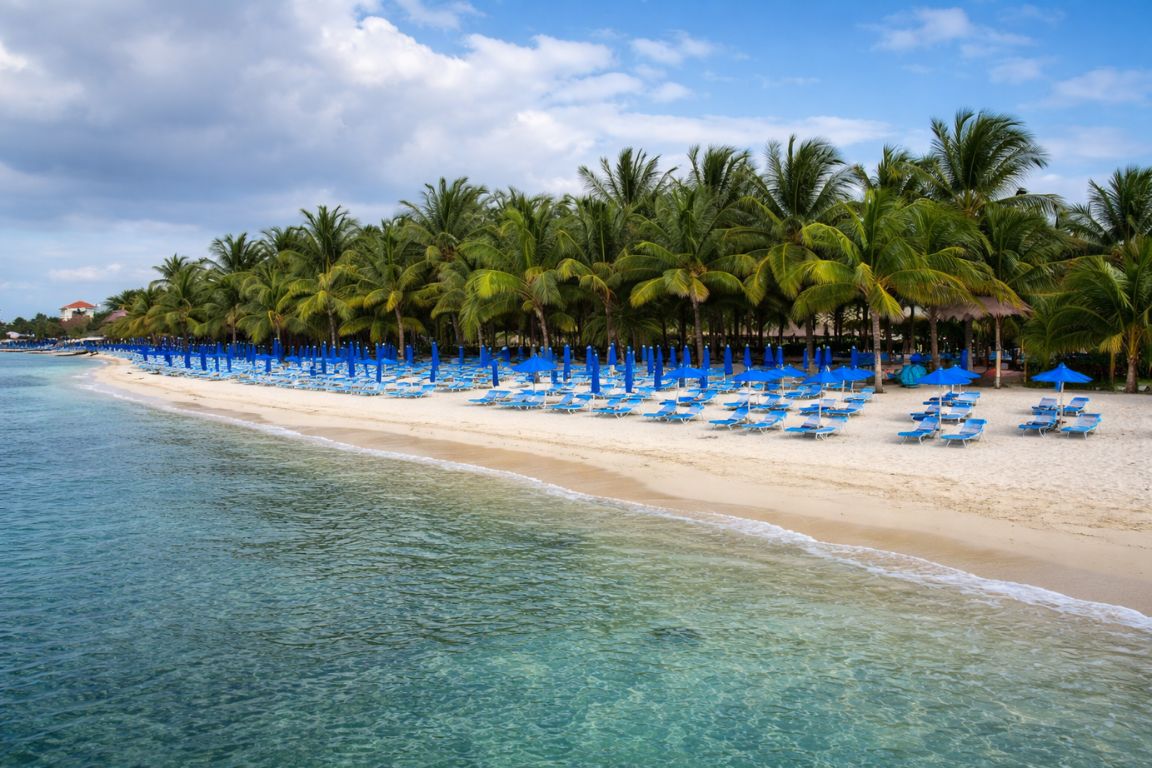 Whale shark season: May through September brings whale shark aggregations near Isla Mujeres, accessible via full-day boat trip from Cozumel covering approximately 2 hours each direction. June through August represents peak period with largest concentrations and highest encounter probability, often involving dozens of individuals simultaneously filtering plankton near the surface. The experience ranks among world’s most spectacular marine wildlife encounters requiring advance booking during peak months as spaces fill quickly. Tours cost $150-250 per person including transportation, guide, equipment, and lunch, representing worthwhile investment for this genuinely bucket-list encounter.
Coral spawning: August full moon triggers mass coral spawning event when reef corals simultaneously release egg and sperm bundles creating underwater snowstorm effect lasting several hours. The phenomenon occurs predictably 3-5 nights following August full moon, with experienced operators scheduling specific spawning dives and snorkel trips around lunar calendar. Visibility during spawning temporarily reduces from floating biological material though the spectacle compensates completely for reduced clarity. Planning August trips specifically around full moon dates maximizes probability witnessing this extraordinary annual biological event.
Holiday periods: Christmas through New Year (December 20-January 2) brings festive atmosphere throughout Cozumel with decorated town center, local celebrations, and overall positive holiday energy enhancing experiences beyond pure underwater quality. Premium pricing accompanies holiday atmosphere with tours and hotels showing maximum annual rates during this window. Book holiday period snorkeling tours 3-4 months in advance as quality operators sell out completely, with last-minute bookings facing limited availability and highest prices.
Ironman Cozumel: November Ironman triathlon event temporarily restricts water access in specific coastal areas during race day, affecting certain snorkeling sites and boat departure zones for 1-2 days surrounding competition. Most reef sites remain accessible though logistics near town waterfront become complicated during race morning, requiring operators adjusting departure locations and routes. Check specific race dates when booking November trips as event moves slightly year-to-year, with most snorkeling operations continuing normally at offshore reef sites unaffected by course boundaries.
CCMA marine events: Cozumel’s marine park authority (CCMA) periodically implements temporary research restrictions and seasonal regulations affecting specific sites during biological monitoring seasons, reef restoration work, and spawning protection periods. Responsible operators maintain current awareness of active restrictions, automatically routing tours toward appropriate alternative sites when primary locations face temporary access limitations. These regulations protect reef health long-term and rarely create significant visitor impact as alternative sites prove equally spectacular, demonstrating Cozumel’s commitment to sustainable marine tourism management.
Practical recommendation: Plan trips specifically around whale shark season May-September if swimming alongside these gentle giants represents bucket-list priority, combining Cozumel reef snorkeling with Isla Mujeres day trip creating comprehensive marine wildlife itinerary. June through August maximizes encounter probability though requires accepting higher humidity and afternoon storm possibilities versus dry season comfort.
Who Should Visit When
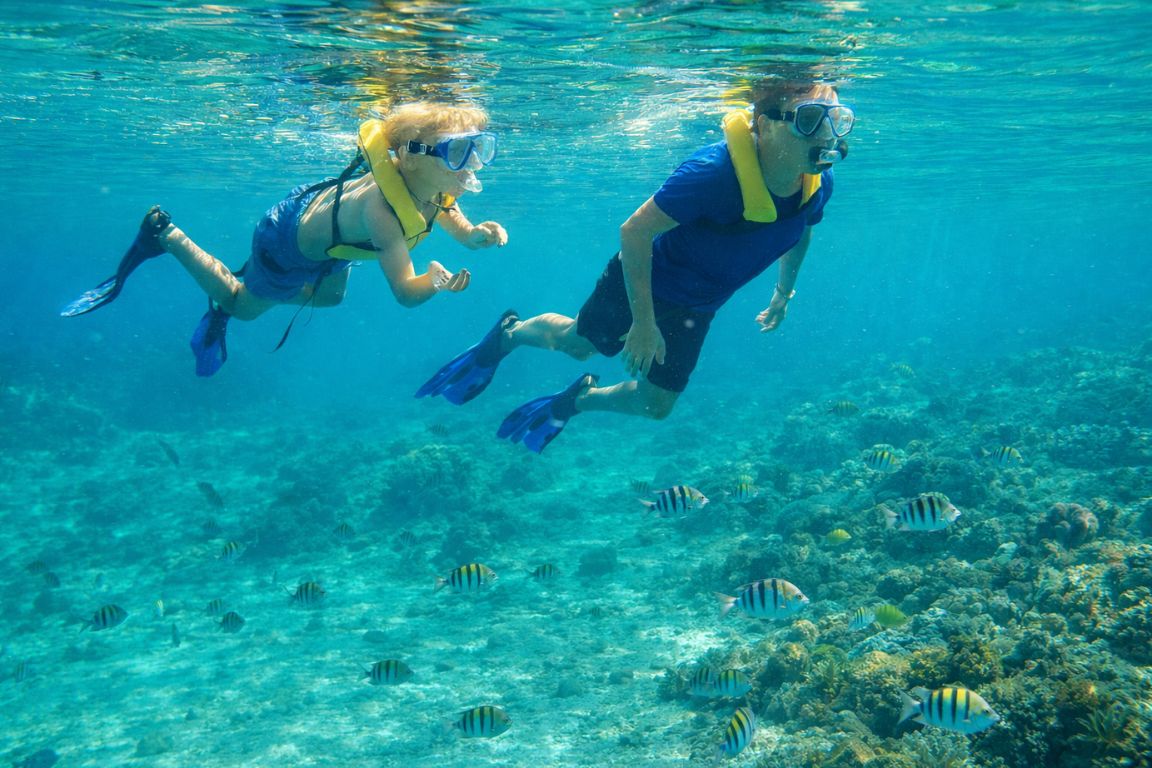
Families with kids: December through April provides optimal family snorkeling conditions with calm morning seas reducing seasickness probability, stable weather enabling confident trip planning, warm water averaging 79-82°F (26-28°C), and shallow reef sites accessible for beginner swimmers. Safe shallow areas like Palancar Gardens (8-15 feet) and Paradise Reef provide comfortable environments for children experiencing first snorkeling encounters without strong currents or challenging conditions. Christmas through Easter timing also aligns perfectly with school holiday schedules making logistics practical for families. Avoid July-August for family trips despite school holiday timing as afternoon storms, heat, and humidity create uncomfortable surface conditions for younger children.
Bringing the kids along? I’ve broken down snorkeling with kids in Cozumel tours so you know which operators are actually set up for younger snorkelers.
Budget travelers: May-June and November deliver genuine sweet spots combining 15-30% pricing reductions from peak season with still-excellent snorkeling conditions, representing best overall value rather than risky September-October false economy. May specifically offers remarkable combination of good visibility, low crowds, whale shark season beginning, and meaningful savings appealing to quality-conscious budget travelers. November shows progressively improving conditions as dry season approaches, with early November pricing remaining low while conditions steadily strengthen toward December excellence.
Photography enthusiasts: January through March maximizes underwater photography conditions with consistent 80-100+ foot visibility allowing expansive reef compositions, optimal light penetration through clear dry season skies, and full marine life activity including manta rays providing spectacular large-animal subjects. April adds benefit of minimal crowds ensuring patient reef access without other snorkelers interrupting carefully composed shots. Morning departures during this window provide best light angles with sun position illuminating reef walls favorably for 2-3 hours after launch.
Marine life focus: Split strategy serves marine life enthusiasts best with May-September prioritizing whale shark encounters via Isla Mujeres day trips combining with active turtle nesting season, while December-March targets manta ray peak appearances, eagle ray schooling behavior, and spawning aggregations. June-August specifically provides maximum marine life diversity combining whale sharks, turtle activity, reef residents, and coral spawning during August full moon into single trip window. Visitors with flexibility choosing specific species priorities should research target species peak timing rather than following general seasonal recommendations.
First-time snorkelers: November through April provides most forgiving conditions for beginners with stable calm mornings reducing seasickness, clear visibility building confidence through easy marine life spotting, and reliable weather eliminating cancellation anxiety. April and November specifically suit nervous first-timers with smaller tour groups receiving more guide attention, calmer conditions than winter Norte-risk months, and overall relaxed atmosphere versus peak season pressure. Beginner-appropriate shallow sites remain accessible year-round though calm dry season conditions make instruction, practice, and overall learning experience significantly easier.
Worried that swimming skills might hold you back? Check out our guide on snorkeling for non-swimmers in Cozumel snorkeling tours – it’s more accessible than most people think.
| Visitor Type | Best Months | Good Alternative | Avoid | Key Reasons | Budget Impact |
|---|---|---|---|---|---|
| Families with Kids | December-April | November (improving) | July-August (heat/storms) | Calm conditions, school holidays align, shallow safe reefs | High peak season costs, book early |
| Budget Travelers | May-June, November | April (post-spring break) | September-October (false economy) | Not quantified; conditions vary | Best overall value months |
| Underwater Photographers | January-March | April (crowds gone) | September-October (poor visibility) | Maximum 80-100+ ft visibility, manta rays, optimal light | Premium pricing, worth the cost |
| Whale Shark Seekers | June-August | May or September | October-April (season closed) | Peak aggregations, highest encounter probability | Moderate + $150-250 day trip cost |
| Manta Ray Seekers | December-March | November (late) | May-September (low probability) | Peak winter appearances, cleaning station visits | Peak pricing window |
| First-Time Snorkelers | April, November | December-February | March (crowds), Sept-Oct (conditions) | Calm conditions, smaller groups, patient instruction | April moderate, November value |
| Crowd-Averse Travelers | May, June, November | April (post-spring break) | March (spring break), December-January | Not quantified; conditions vary | Good value, meaningful savings |
| Marine Life Enthusiasts | June-August | November (spawning) | September-October (limited activity) | Multiple species peak simultaneously, diverse encounters | Moderate pricing, worthwhile investment |
FAQ: Best Time Snorkeling Cozumel Questions
1. What’s the absolute best month for snorkeling in Cozumel?
April wins overall combining 80-100+ foot visibility, Norte winds finished, spring break crowds departed, warm water, and calm morning conditions. No other month delivers this combination of excellent conditions without significant trade-offs. Book 6-8 weeks advance as April’s reputation means quality operators fill quickly.
2. Is Cozumel good for snorkeling year-round?
Yes with exceptions – ten months deliver good to excellent conditions making Cozumel genuinely year-round capable. September and October represent only truly problematic months with hurricane risks and poor visibility. Every other month provides worthwhile snorkeling experiences varying primarily in visibility, crowds, and pricing rather than fundamental quality.
3. Should I avoid hurricane season completely?
Avoid September-October specifically rather than entire June-November official season. May, June, and November deliver excellent conditions despite falling within technical hurricane season dates. July-August carry moderate risk but offer compelling whale shark encounters justifying careful consideration rather than automatic avoidance.
4. When is water visibility best in Cozumel?
January through April consistently delivers 80-100+ foot visibility with dry season eliminating runoff and clear skies maximizing light penetration. April occasionally reaches 100-120+ feet on optimal days. Visibility drops progressively through wet season reaching annual low of 40-60 feet during September-October storm season.
5. When can I see whale sharks near Cozumel?
Whale sharks aggregate near Isla Mujeres May through September, requiring full-day boat trip from Cozumel (2 hours each direction, $150-250 per person). June through August provides peak encounter probability with largest aggregations. Book whale shark day trips 4-6 weeks advance during June-August as spaces fill rapidly.
6. How do cruise ships affect snorkeling conditions?
Three to five ships arrive daily year-round concentrating thousands of day visitors at pier-adjacent sites between 9am-5pm. Quality operators avoid crowded sites during peak cruise hours, routing tours to less accessible reefs. Early morning departures before 8am consistently beat cruise tourists regardless of season.
7. Is March (spring break) too crowded for snorkeling?
Crowded but manageable with right operator – multiple boats at popular sites simultaneously creates busy reef conditions. Book small-group operators limiting participants and departing early morning for best experience. April immediately following spring break delivers identical visibility with dramatically reduced crowds making it superior timing.
8. What’s the water temperature in Cozumel?
Remarkably stable year-round ranging 77-79°F (25-26°C) winter minimum to 82-84°F (28-29°C) summer peak. Lightweight 3mm wetsuit comfortable December-February for temperature-sensitive snorkelers, while summer months feel bathtub-warm without thermal protection. Temperature variation minimal enough that it shouldn’t influence timing decisions versus visibility and weather factors.
Glossary: Cozumel Snorkeling Seasonal Terms
Norte Winds (El Norte): Cold fronts pushing strong northerly winds 25-40 mph from continental North America during December-February, temporarily creating choppy conditions on western reef sites for 1-3 days before calming. Experienced operators redirect tours toward sheltered southern alternatives during Norte events.
Hurricane Season: Official Atlantic storm season June 1-November 30 with actual risk concentrated August-October peak. Cozumel’s western Caribbean location creates vulnerability from multiple directions, with September representing highest historical storm probability affecting visibility and tour operations.
Drift Snorkeling: Cozumel’s signature snorkeling style utilizing natural north-to-south current carrying snorkelers effortlessly along reef walls without swimming effort. Current strength varies seasonally and daily, with experienced guides selecting sites matching current conditions for safe enjoyable drifting experiences.
Visibility / Water Clarity: Measurement of underwater horizontal sight distance ranging from 40-60 feet poor conditions to 100-120+ feet exceptional clarity. Cozumel averages 60-100+ feet making it world-class, with dry season December-April consistently delivering maximum clarity and wet season showing variable reduced conditions.
Whale Shark Aggregation: Seasonal concentration of whale sharks near Isla Mujeres May-September when plankton blooms attract filter-feeding giants. Peak June-August gatherings involve dozens of individuals simultaneously, accessible from Cozumel via full-day boat excursion representing world-class bucket-list marine encounter.
Shoulder Season: Transitional periods May-June and November between peak and low seasons offering meaningful pricing reductions (15-30%) while maintaining good snorkeling conditions. Best value windows for quality-conscious travelers willing accepting slightly variable conditions versus peak season reliability.
Coral Spawning: Annual mass reproductive event occurring 3-5 nights following August full moon when corals simultaneously release egg and sperm bundles creating spectacular underwater snowstorm effect. Predictable timing enables operators scheduling specific trips around lunar calendar for this extraordinary biological phenomenon.
Current Conditions: Daily varying water movement patterns along Cozumel’s western reef systems affecting snorkeling difficulty, site selection, and drift speed. Experienced guides monitor current strength and direction daily, selecting appropriate sites matching conditions and snorkeler experience levels for safe optimal experiences.
Ready to Book Your Cozumel Snorkeling Trip?
December through April delivers optimal conditions combining maximum visibility, reliable weather, and complete reef accessibility, with May-June and November offering excellent alternatives at 15-30% reduced pricing for budget-conscious travelers unwilling sacrificing quality entirely for savings. No truly bad months exist except September-October when hurricane risks, frequent cancellations, and reduced visibility create genuinely poor experiences regardless of rock-bottom pricing attempting compensating for difficult conditions.
Interest-based timing determines ideal month for individual priorities: January-March maximizes underwater photography with consistent 80-100+ foot visibility and manta ray peak appearances, June-August delivers whale shark encounters via Isla Mujeres day trips, April provides best all-around experience with excellent conditions minus crowds, and May or November offers value-seekers genuine quality at meaningful savings.
If you already have dates, open the 3 Reefs boat tour and compare its schedule with the month-by-month conditions above. We operate year-round understanding exactly when conditions peak and where to find exceptional experiences regardless of which month your schedule permits.
Compare dates for the 3 Reefs Cozumel boat tour if you want Palancar, Columbia, and El Cielo in one 4-hour trip.
From the guides at Cozumel Snorkeling Tours running trips every month across years of operation, knowing which weeks deliver exceptional conditions, when to avoid specific sites, and how timing decisions transform good trips into genuinely memorable experiences making arriving home wanting immediate return visits.