What Marine Life Can You See While Snorkeling in Cozumel
Wondering if Cozumel snorkeling tours really deliver sea turtles, eagle rays, and sharks — or just brochure hype? We break down real encounter odds by species, season, and reef site, based on thousands of departures, so you know exactly what you’re likely to see (and what’s rare) before you book.
Last updated: March 11, 2026
Travelers researching Cozumel snorkeling encounter the same glossy promises everywhere – sea turtles, eagle rays, sharks, manta rays – written with enough confident enthusiasm that the reasonable question becomes whether any of it actually happens on real tours or whether these animals appear exclusively in professional photographers’ highlight reels. The skepticism is fair, because Caribbean destinations routinely oversell marine life encounters that disappoint visitors who arrived expecting the brochure and found murky water with distant fish.
Choose a daytime reef route or the after-dark search for octopus; sightings are never guaranteed. Explore Turtle Sanctuary Catamaran
At Cozumel Snorkeling Tours where our guides have logged thousands of reef departures observing these animals across every season and condition, we provide species-by-species encounter assessment based on what actually happens on typical tours. This guide covers which species appear on virtually every quality tour, which encounters require specific sites or seasons, realistic behavior expectations, how timing and site selection influence probabilities, and the honest gaps between marketing language and typical tour reality that help visitors arrive with accurate expectations they’ll almost certainly exceed.
What Marine Life Will I See Snorkeling in Cozumel?
Sea turtles, spotted eagle rays, nurse sharks, moray eels, barracuda, and more than 500 fish species including parrotfish, angelfish, and schooling grunts appear with possible probability on quality morning tours at Palancar or Columbia reef systems.
These animals may be encountered in suitable reef habitat, but sightings vary with conditions, location and animal behavior. No measured sighting rate is established here, and a tour name or route does not guarantee an encounter.
Site and season influence: Columbia Reef delivers highest eagle ray probability while Paradise Reef concentrates sea turtle encounters, with December-April dry season producing optimal visibility and marine life activity across all sites. September-October hurricane season reduces encounter quality at every location simultaneously.
What surprises visitors: Animal proximity and density consistently exceed expectations from other Caribbean destinations, with sea turtles approaching within arm’s length and eagle rays banking past at conversational distance rather than distant silhouettes requiring binoculars to confirm species identity. Cozumel’s current-driven nutrient concentration supports animal populations dense enough that multiple large-animal encounters per tour represent normal rather than exceptional outcomes.
Practical recommendation: Book morning departures at 8-9am accessing Palancar Gardens or Columbia Reef before cruise ship day-trippers arrive and afternoon winds reduce visibility, as this single timing decision delivers measurably higher large-animal encounter probability than afternoon alternatives at identical sites.
Before you book, you might want to know is Cozumel good for snorkeling – especially if you’ve already done other Caribbean destinations and are wondering how it compares.
| Species | Encounter Probability | Best Site | Best Season | Notes |
|---|---|---|---|---|
| Sea Turtles | Not quantified; conditions vary | Paradise Reef, Palancar | Year-round | Green and hawksbill most common |
| Spotted Eagle Rays | Not quantified; conditions vary | Columbia Reef, Palancar Wall | Dec-April peak | Schools of 5+ occasionally |
| Nurse Sharks | Not quantified; conditions vary | Paso del Cedral, Columbia | Year-round | Resting under ledges |
| Parrotfish / Angelfish | Not quantified; conditions vary | All sites | Year-round | Constant colorful presence |
| Moray Eels | Not quantified; conditions vary | All reef sites | Year-round | Guide expertise increases sightings |
| Barracuda | Not quantified; conditions vary | All offshore sites | Year-round | Hovering near reef edges |
| Caribbean Reef Sharks | Not quantified; conditions vary | Santa Rosa, Punta Sur | Year-round | Outer reef edges only |
| Octopus | Not quantified; conditions vary | All reef sites | Year-round | Mostly guide-located daytime |
| Spotted Drum | Not quantified; conditions vary | Palancar, Columbia | Year-round | Juvenile most photographed |
| Manta Rays | Not quantified; conditions vary | Palancar cleaning stations | Dec-March | Cleaning station visits |
| Whale Sharks | N/A at reef sites | Isla Mujeres day trip | May-Sept | Separate excursion required |
| Seahorses | Not quantified; conditions vary | Seagrass areas, shallow reefs | Year-round | Guide expertise essential |
Sea Turtles – Cozumel’s Most Reliable Encounter
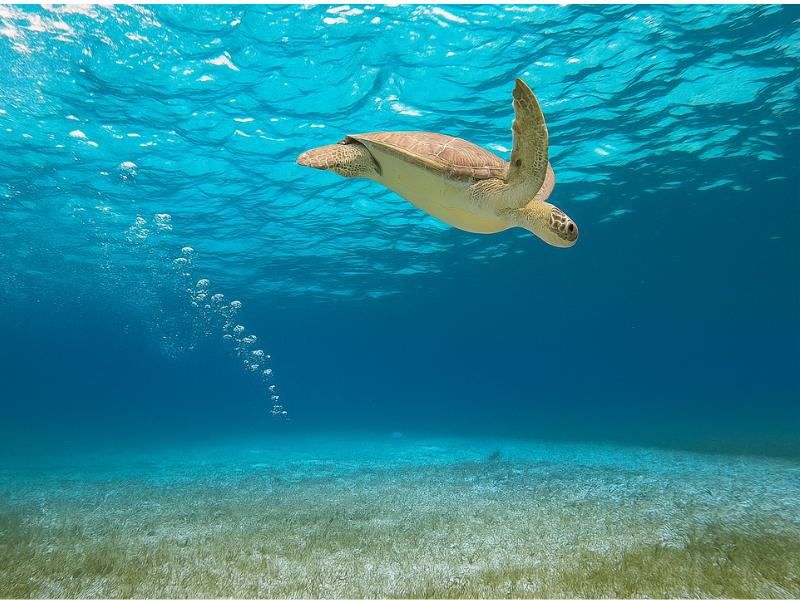
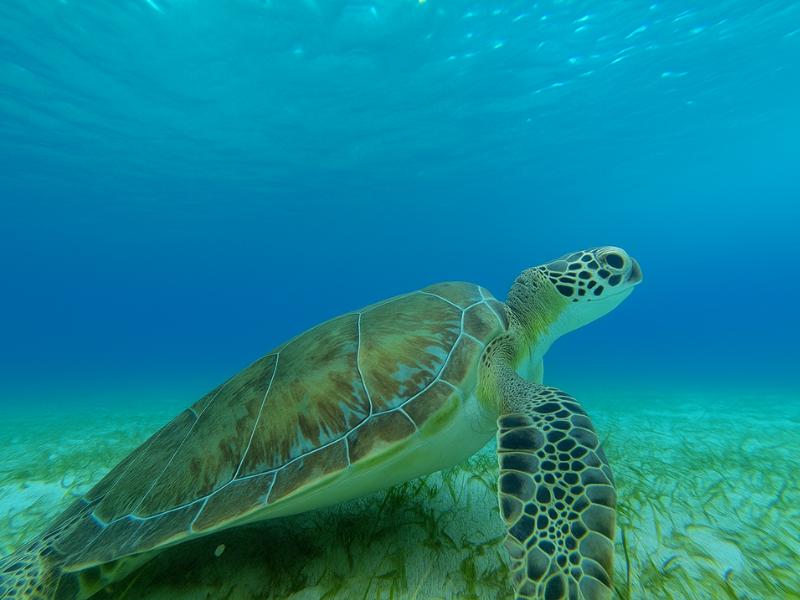
Three species present: Green sea turtles appear most frequently as the largest and most commonly encountered species, reaching 3-4 feet shell length with smooth rounded carapace and gentle herbivorous feeding behavior on sea grass beds throughout accessible reef areas. Hawksbill turtles appear regularly as the more distinctively beautiful species with narrow pointed beak and intricate shell patterning, typically smaller than greens and found closer to reef structures where they feed on sponges. Loggerhead turtles occur less frequently than the other two species, identifiable through their notably large broad head and more powerful build, with sightings adding genuine excitement even for guides who’ve completed hundreds of previous tours.
These animals may be encountered in suitable reef habitat, but sightings vary with conditions, location and animal behavior. No measured sighting rate is established here, and a tour name or route does not guarantee an encounter.
These animals may be encountered in suitable reef habitat, but sightings vary with conditions, location and animal behavior. No measured sighting rate is established here, and a tour name or route does not guarantee an encounter.
Behavior expectations: Most encounters involve turtles feeding calmly on sea grass with complete indifference to snorkeler proximity, allowing extended close observation from respectful distances without triggering retreat behavior that sudden approaches cause. Turtles surfacing for air create dramatic vertical movement experiences as animals swim directly upward past snorkelers before breaking surface, taking breath, and returning downward along predictable paths. Resting turtles wedged under coral ledges provide stationary observation opportunities, though guides avoid disturbing resting animals by keeping groups at observation distance rather than crowding ledge areas.
Ohio teacher on her first-ever snorkeling experience watched a green turtle surface for air three feet directly in front of her face before calmly descending back to feeding position, later telling us she “completely forgot where I was, forgot I couldn’t swim, forgot everything except this ancient animal looking directly at me like I wasn’t even interesting enough to bother avoiding.”
Eagle Rays – The Crowd Favorite
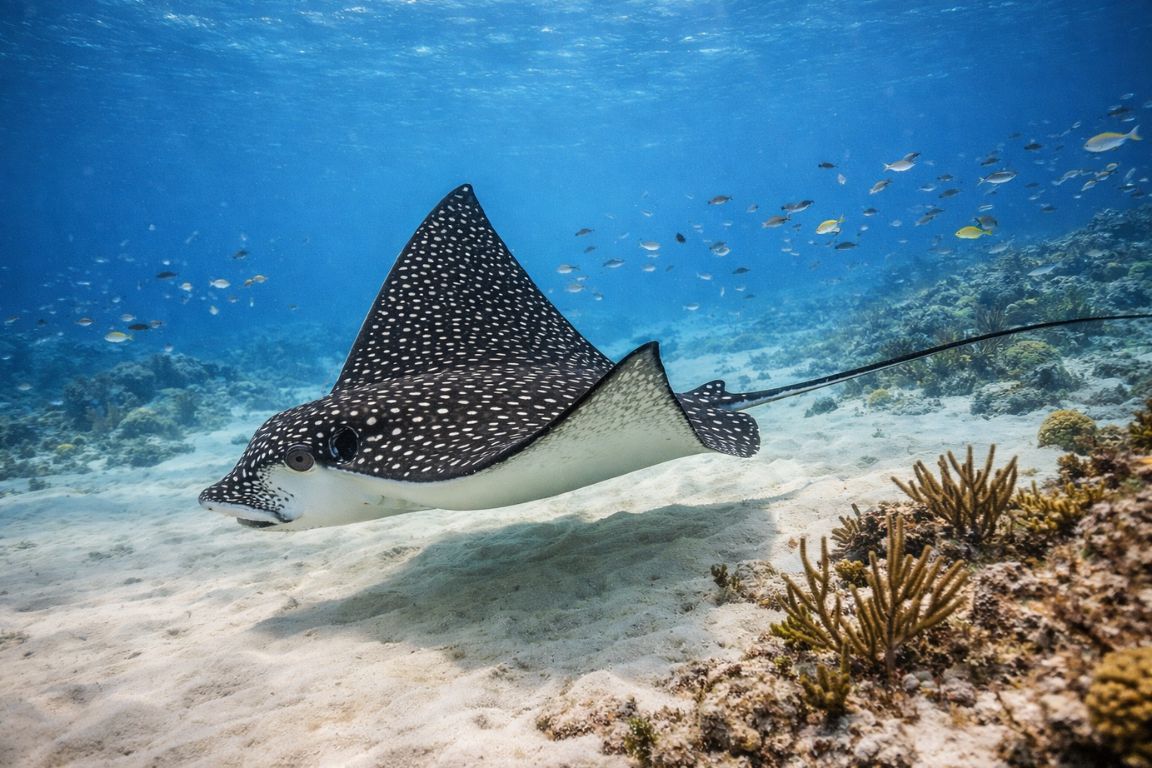
Species: Spotted eagle rays represent one of the ocean’s most visually distinctive large animals, with dark dorsals covered in white spots and rings, dramatically elongated wing-like pectoral fins spanning 5-8 feet, and characteristic long whip-like tail creating unmistakable silhouette visible from considerable distance in Cozumel’s excellent visibility. The combination of elegant wing-beat propulsion, distinctive spotted coloration, and graceful banking turns along reef walls creates wildlife encounters that experienced snorkelers consistently describe as Cozumel highlights despite having encountered numerous impressive species elsewhere.
These animals may be encountered in suitable reef habitat, but sightings vary with conditions, location and animal behavior. No measured sighting rate is established here, and a tour name or route does not guarantee an encounter.
Movement patterns: Eagle rays patrol specific current-facing wall sections and column formations where water movement concentrates the mollusks and crustaceans forming their primary diet, creating predictable patrol routes that experienced guides position groups along rather than following rays reactively after accidental discovery. Columbia’s cathedral columns specifically create feeding concentration zones explaining the site’s exceptional eagle ray probability compared to other Cozumel locations lacking these unique formation types. Current direction influences which wall sections rays patrol on specific days, with experienced guides reading conditions selecting optimal positioning before entering water.
Group encounters: Schools of 5-15 eagle rays occur several times monthly at Columbia and Palancar during optimal conditions, creating experiences that generate the most emotionally intense guest reactions our guides regularly witness including grown adults audibly gasping through snorkels and emerging from water unable to articulate coherent sentences immediately afterward. Group encounters are unpredictable bonuses rather than scheduled events, though December-April dry season with superior visibility and more stable conditions produces schooling encounters more frequently than other periods.
Best sites: Columbia Reef delivers highest and most consistent eagle ray probability through the unique column formations and specific current patterns creating ideal habitat, followed by Palancar Wall’s drift sections where rays patrol predictable routes along dramatic vertical reef face, with Santa Rosa Wall offering additional strong probability for advanced snorkelers comfortable with the site’s stronger current requirements.
| Site | Eagle Ray Probability | Dec-April | May-Aug | Sep-Oct | Nov | School Encounter Chance |
|---|---|---|---|---|---|---|
| Columbia Reef | Not quantified; conditions vary | Not quantified; conditions vary | Not quantified; conditions vary | Not quantified; conditions vary | Not quantified; conditions vary | Not quantified; conditions vary |
| Palancar Wall | Not quantified; conditions vary | Not quantified; conditions vary | Not quantified; conditions vary | Not quantified; conditions vary | Not quantified; conditions vary | Not quantified; conditions vary |
| Santa Rosa Wall | Not quantified; conditions vary | Not quantified; conditions vary | Not quantified; conditions vary | Not quantified; conditions vary | Not quantified; conditions vary | Not quantified; conditions vary |
| Palancar Gardens | Not quantified; conditions vary | Not quantified; conditions vary | Not quantified; conditions vary | Not quantified; conditions vary | Not quantified; conditions vary | Lower – 10% |
| Paradise Reef | Not quantified; conditions vary | Not quantified; conditions vary | Not quantified; conditions vary | Not quantified; conditions vary | Not quantified; conditions vary | Rare – 5% |
| Chankanaab (shore) | Not quantified; conditions vary | Not quantified; conditions vary | Not quantified; conditions vary | Not quantified; conditions vary | Not quantified; conditions vary | Essentially never |
Nurse Sharks – Observe Without Disturbing
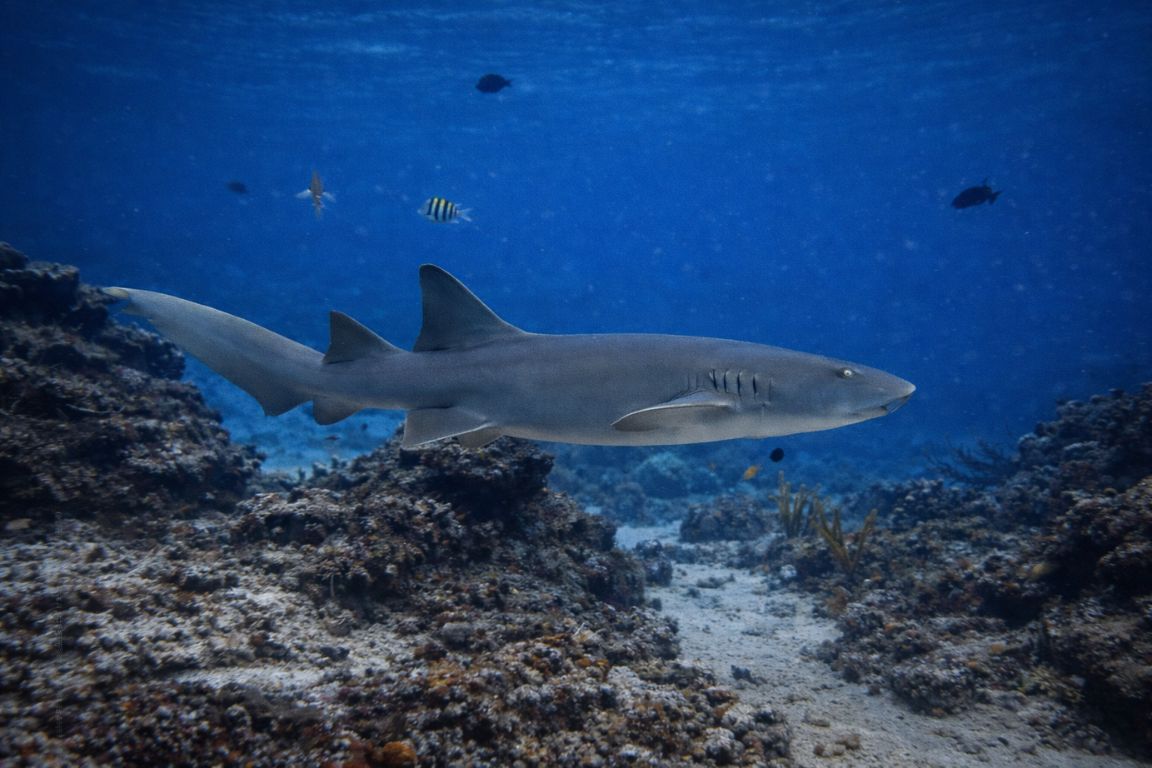
Species description: Nurse sharks represent the reef’s most impressively sized regular residents, ranging from juvenile 4-foot animals to large adults reaching 10 feet and weighing several hundred pounds, with flattened bodies, broad rounded heads, and distinctive barbels near the mouth creating appearance unlike the streamlined predator sharks popular imagination conjures. Brownish-tan coloration blends with sandy reef bottom where they rest, making them simultaneously easy to overlook without guide assistance and genuinely startling once spotted at close range by snorkelers who hadn’t noticed the large animal resting inches below their floating position.
These animals may be encountered in suitable reef habitat, but sightings vary with conditions, location and animal behavior. No measured sighting rate is established here, and a tour name or route does not guarantee an encounter.
Resting behavior explanation: Nurse sharks spend daytime hours resting motionlessly under coral ledges and in sandy reef channels because they’re nocturnal hunters who complete active feeding during nighttime hours, requiring daytime rest recovery rather than the continuous active swimming that other shark species need for oxygen extraction. This resting behavior creates the paradox of Cozumel’s most impressive animals being simultaneously easiest to observe, as motionless 8-foot sharks under coral overhangs allow extended close observation that active swimming animals moving through water wouldn’t permit. The complete stillness that makes nurse sharks appear dead or dramatic is simply normal daytime behavior requiring no snorkeler concern.
Best sites: Paso del Cedral delivers highest nurse shark concentration among Cozumel sites through specific sandy channel habitat between coral formations creating ideal resting conditions, often showing multiple large individuals simultaneously in ways that more famous neighboring sites don’t match despite similar overall reef quality. Columbia Reef’s sandy areas between cathedral columns provide secondary concentration with frequent 6-8 foot animals resting visibly in open positions rather than tucked under ledges, while Palancar Gardens’ sandy sections host reliable nurse shark populations within the same tour covering other wildlife highlights.
Snorkeling involves swimming and carries drowning risk. A flotation aid does not replace swimming ability, close supervision or an operator assessment. Non-swimmers should choose dry boat viewing unless the operator explicitly confirms a suitable supervised program. Stop if distressed and signal the guide for assistance.
We’ve answered the question is it safe in Cozumel snorkeling tours with details on ocean conditions, what can go wrong, and how good operators handle it.
| Species | Encounter Probability | Danger Level | Typical Behavior | Size Range | Best Site |
|---|---|---|---|---|---|
| Nurse Shark | Not quantified; conditions vary | None – 1/10 | Resting motionless, slow retreat if approached | 4-10 feet | Paso del Cedral, Columbia |
| Caribbean Reef Shark | Not quantified; conditions vary | Very Low – 2/10 | Distant patrol, avoids snorkelers | 5-8 feet | Santa Rosa, outer reefs |
| Bull Shark | Not quantified; conditions vary | Low in context – 3/10 | Deep water, rare reef visits | 7-11 feet | Punta Sur occasionally |
| Whale Shark | N/A at reef sites | None – 1/10 | Filter feeding, ignores snorkelers | 20-40 feet | Isla Mujeres day trip only |
| Hammerhead | Not quantified; conditions vary | Very Low in context | Deeper water, rare surface visits | 8-13 feet | Occasional Punta Sur |
Tropical Fish – The Colorful Constant
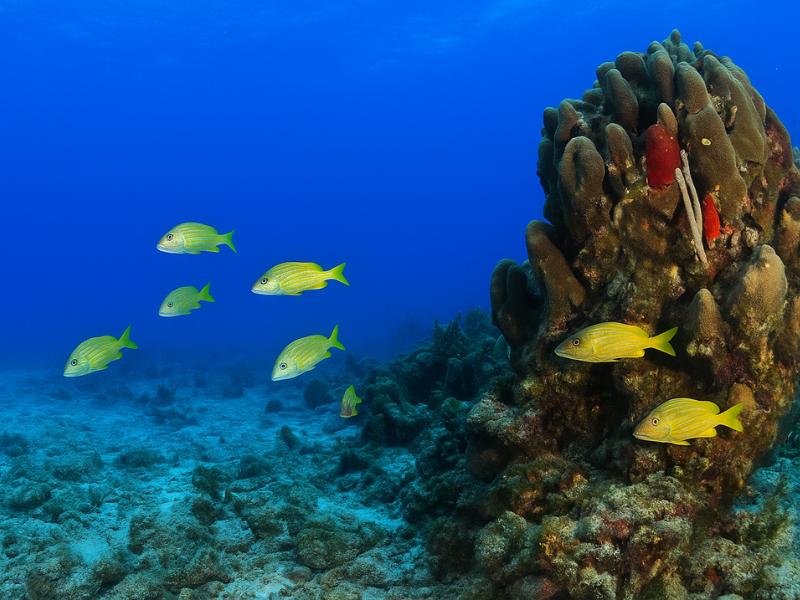
Species count: 500+ fish species inhabiting Cozumel’s reef systems guarantee visually spectacular experiences on every single tour regardless of whether large animal encounters materialize, with the sheer diversity creating constant new observations throughout underwater sessions that could fill multiple visits without exhausting available subjects. The species density means snorkelers hovering motionlessly above a single coral formation for five minutes observe more distinct fish species than most people encounter during entire snorkeling vacations at lesser Caribbean destinations, with Cozumel’s current-driven nutrient system supporting biomass concentrations that genuinely distinguish it from comparable reef environments.
Guaranteed species: Queen angelfish with their electric blue and yellow coloration appear on virtually every tour as among the reef’s most visually striking residents, while parrotfish in multiple species and color phases create constant movement and the crackling sound of coral being bitten and processed into the white sand covering reef floors. Sergeant majors in dense schools hover around coral formations throughout all sites, French angelfish patrol reef edges in bonded pairs, trumpetfish hang vertically among sea fans in camouflage posture, and Spanish hogfish, bluehead wrasse, and yellowtail snapper fill in the constant background activity making every direction worth examining.
Schooling fish spectacle: French grunt schools numbering in the hundreds create dense silver-yellow clouds hovering above coral formations that snorkelers can swim directly through, parting around human presence and reforming immediately behind in ways that create complete sensory immersion impossible to anticipate from above-water description. Blue chromis form shimmering blue curtains along wall reef faces where current brings plankton, while schoolmaster snapper gather in loose coordinated groups near reef edges creating the kind of fish density that makes underwater photographers abandon large-animal ambitions entirely and spend full sessions documenting schooling behavior instead.
| Common Name | Size | Key Coloring | Behavior | Probability | Best Site |
|---|---|---|---|---|---|
| Queen Angelfish | 12-18 inches | Electric blue, yellow crown | Pairs, territorial patrol | Not quantified; conditions vary | All reef sites |
| Parrotfish (multiple sp.) | 12-36 inches | Green, blue, pink phases | Constant grazing, audible crunching | Not quantified; conditions vary | All reef sites |
| French Grunt | 8-12 inches | Yellow stripes, silver | Dense schools hundreds strong | Not quantified; conditions vary | All offshore sites |
| Sergeant Major | 5-7 inches | Black vertical stripes | Dense aggregations near coral | Not quantified; conditions vary | All sites including shore |
| Trumpetfish | 24-36 inches | Variable, camouflage posture | Vertical hanging among sea fans | Not quantified; conditions vary | All reef sites |
| Spotted Drum (juvenile) | 3-6 inches juvenile | Black/white, trailing fin | Circling under ledges | Not quantified; conditions vary | Palancar, Columbia |
| Blue Chromis | 4-5 inches | Brilliant blue | Wall-face curtain formations | Not quantified; conditions vary | Offshore wall sites |
| Moray Eels (various) | 18-72 inches | Green, spotted, yellow | Crevice residents, visible heads | Not quantified; conditions vary | All reef sites |
| Yellowtail Snapper | 12-16 inches | Yellow stripe, yellow tail | Loose schools near edges | Not quantified; conditions vary | All offshore sites |
| Rock Beauty | 8-12 inches | Black body, yellow head/tail | Solitary territorial | Not quantified; conditions vary | All reef sites |
Moray Eels – Misunderstood Residents
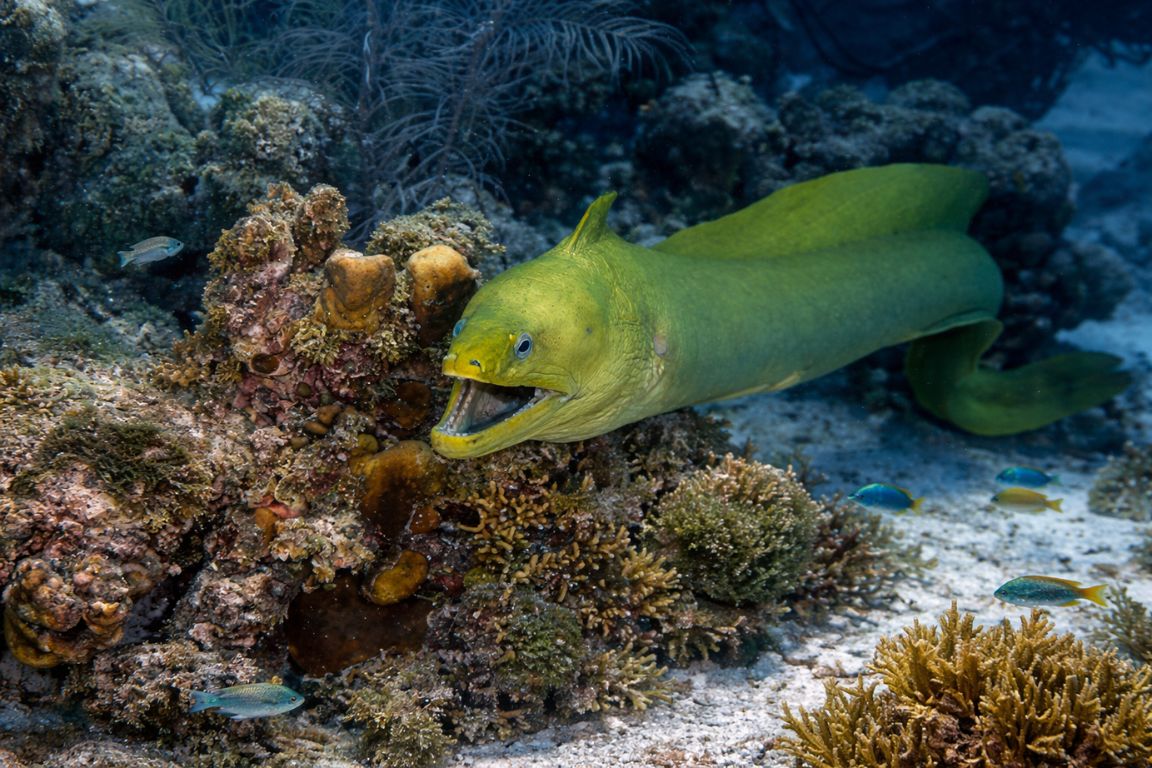
Species present: Green morays reaching up to 6 feet represent Cozumel’s most impressive eel species with uniform dark green coloration created by yellow mucus coating over brown skin, while spotted morays appearing in 2-3 foot range show distinctive white background with dark spots creating more visually intricate pattern. Goldentail morays at 18-24 inches provide the smallest and arguably most elegant species with yellow tail contrasting against darker body, tucked into reef crevices at shallower depths than green morays preferring deeper ledge locations. All three species appear throughout Cozumel’s reef systems with enough regularity that guides who actively search crevices find at least one representative during most offshore tours.
These animals may be encountered in suitable reef habitat, but sightings vary with conditions, location and animal behavior. No measured sighting rate is established here, and a tour name or route does not guarantee an encounter.
Breathing behavior explanation: The rhythmic open-and-close mouth movement that makes morays appear aggressively threatening is simply how they pump water over gills for oxygen extraction, serving the same respiratory function that fish gill-flapping performs but more visibly dramatic given eels’ flexible jaw structure and dental appearance. Understanding this breathing mechanics explanation transforms visitor response from alarmed backing away to relaxed close observation, with guides consistently noting that this single piece of information visibly changes nervous snorkelers’ body language from tense retreat posture to comfortable hovering interest within seconds of explanation.
Best observation approach: Hovering motionlessly at 4-6 feet distance allows extended eel observation without triggering the retreat response that direct approach causes, with eels that remain visible for several minutes rewarding patient observers while those approached directly withdraw deeper into crevices ending the encounter immediately. Experienced snorkelers who’ve learned this patience principle often achieve close-focus photography of extended eels that rushed approaches never produce, with the observation quality directly proportional to the stillness and distance restraint visitors maintain throughout the encounter.
Barracuda – Intimidating Appearance, Peaceful Reality
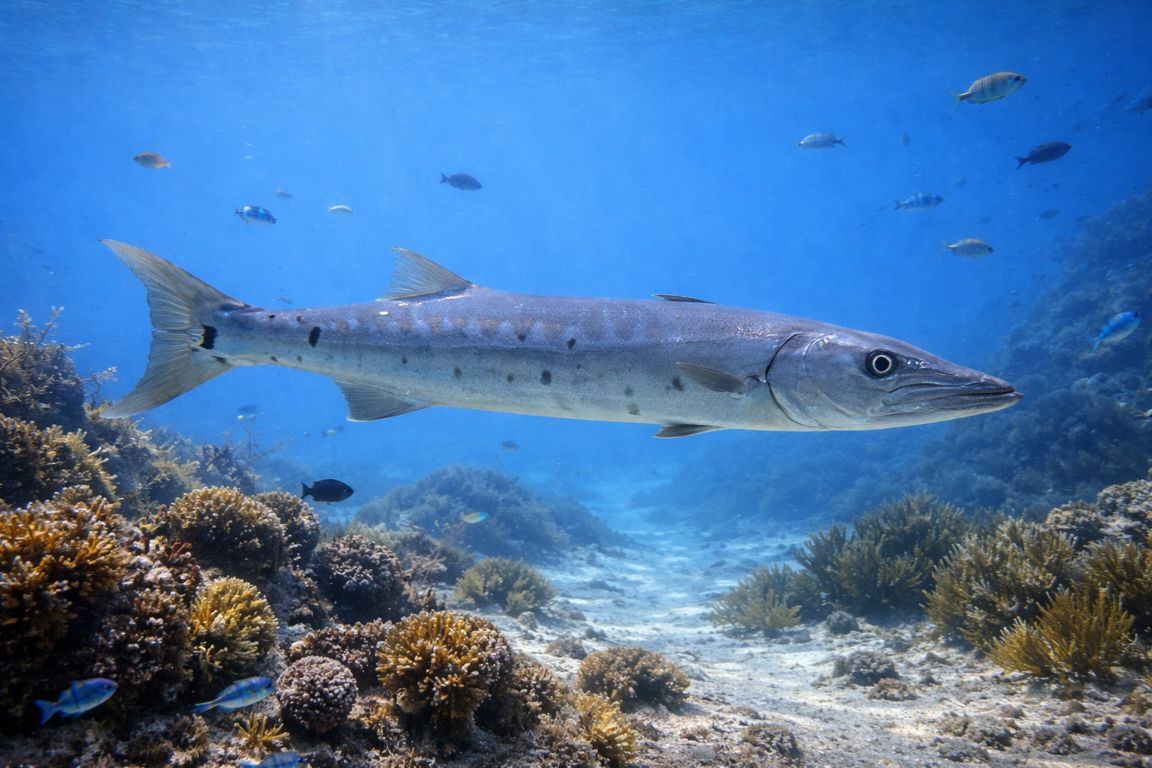
Great barracuda appearance: Great barracuda reaching 4-5 feet of muscular silver predator with underslung jaw, prominent teeth, and cold unblinking eye creates fear responses disproportionate to actual threat level, with the animal’s habit of hovering absolutely motionless at close range while staring directly at approaching snorkelers amplifying alarm that movement would somehow reduce. The combination of size, teeth visibility, stillness, and direct eye contact creates what marine biologists describe as near-perfect instinctive threat appearance without the accompanying threat behavior that would actually justify concern.
These animals may be encountered in suitable reef habitat, but sightings vary with conditions, location and animal behavior. No measured sighting rate is established here, and a tour name or route does not guarantee an encounter.
Schooling barracuda phenomenon: Chevron barracuda forming tight spinning tornado formations containing hundreds of individuals create some of Cozumel’s most hypnotic underwater spectacles, with the collective movement creating a living silver vortex that snorkelers can observe from outside while the school maintains its formation regardless of human presence. These schooling encounters occur less predictably than reef-resident species sightings but appear regularly enough at certain offshore locations during specific current conditions that guides aware of aggregation patterns can target them intentionally rather than encountering them only by chance.
Actual behavior: Barracuda investigate snorkelers through sustained stationary observation rather than approach or pursuit, satisfying curiosity about unfamiliar large objects through visual assessment before losing interest and moving on or simply continuing to hover in the same position indefinitely. The investigative stare that alarms visitors represents curiosity rather than predatory assessment, with barracuda distinguishing snorkelers clearly from prey fish through size, movement pattern, and the absence of the silvery flash triggering actual feeding strikes. Removing silver jewelry before snorkeling remains the only practical precaution worth taking, eliminating the reflective stimulus that occasionally prompts closer investigative approaches from animals that otherwise observe from comfortable distances.
Seahorses and Camouflaged Species – What Patient Snorkelers Find
These animals may be encountered in suitable reef habitat, but sightings vary with conditions, location and animal behavior. No measured sighting rate is established here, and a tour name or route does not guarantee an encounter.
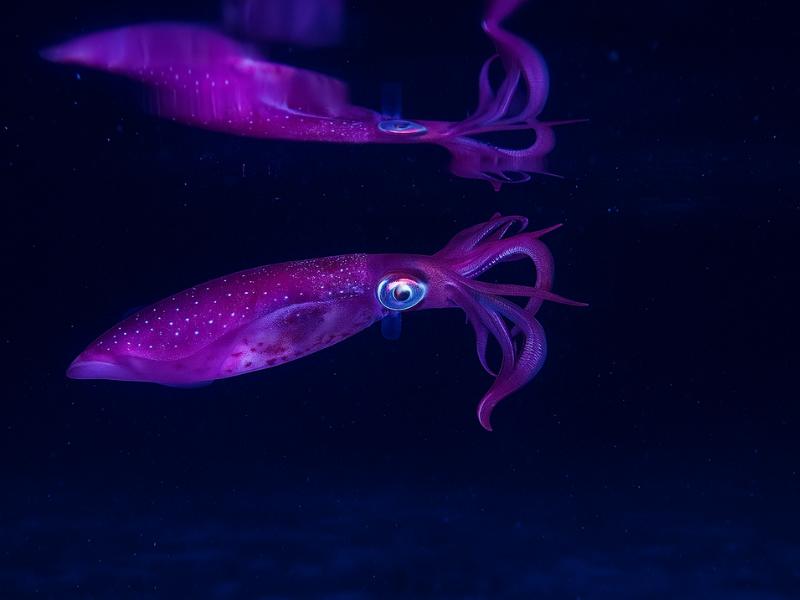
Camouflage masters: Scorpionfish rest motionlessly on reef substrate with such perfect camouflage matching surrounding coral texture and coloration that even experienced guides occasionally nearly place hands on them during site inspections, while peacock flounders lie flat on sandy patches between coral formations with color-changing skin matching sand grain patterns exactly. Frogfish represent the reef’s most extraordinary camouflage specialists, mimicking sponge texture and color so completely that guides who’ve worked the same reef sections for years still experience genuine surprise rediscovering individuals sitting in plain sight. These species reward the specific snorkeling behavior of slow deliberate observation over small reef sections rather than continuous forward movement covering maximum distance.
These animals may be encountered in suitable reef habitat, but sightings vary with conditions, location and animal behavior. No measured sighting rate is established here, and a tour name or route does not guarantee an encounter.
These animals may be encountered in suitable reef habitat, but sightings vary with conditions, location and animal behavior. No measured sighting rate is established here, and a tour name or route does not guarantee an encounter.
California underwater photographer who’d spent fifteen years shooting marine life worldwide reached toward what appeared to be a colorful encrusting sponge formation at Palancar, stopped three inches away when guide grabbed his wrist, and spent the next ten minutes photographing a perfectly camouflaged scorpionfish he later described as “the most important three-inch hand movement of my career, because that fish was absolutely invisible until it wasn’t.”
Seasonal Marine Life – Special Encounter Windows
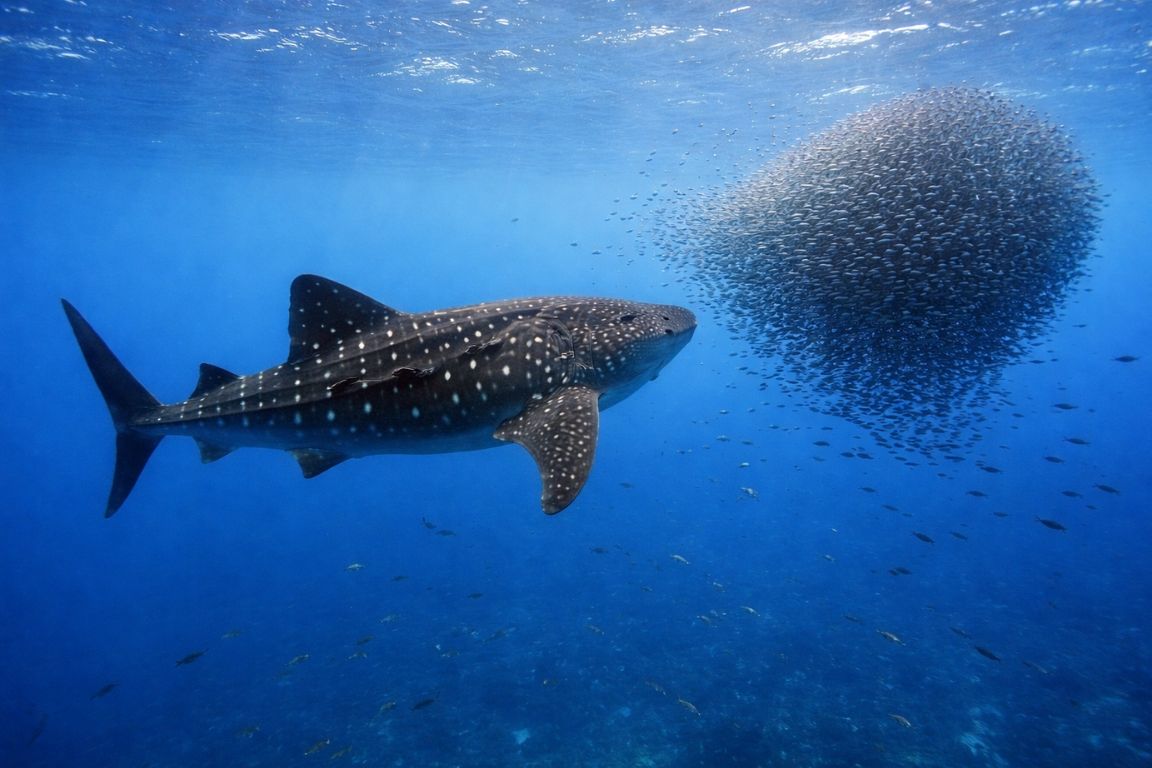
Whale sharks: May through September brings whale shark aggregations near Isla Mujeres approximately 45 minutes by fast boat from Cancun, with peak June through August concentrations sometimes exceeding 100 individuals feeding on mass fish spawn events creating the world’s largest known whale shark aggregation accessible to snorkelers. These encounters require dedicated day trips from Cozumel involving ferry to Playa del Carmen or Cancun followed by specialized whale shark tour boat, meaning whale sharks represent separate planning commitment rather than standard reef snorkeling addition. The effort proves worthwhile for visitors specifically prioritizing whale shark encounters, but realistic trip planning treats this as distinct excursion from Cozumel reef snorkeling rather than casual addition to regular tour scheduling.
These animals may be encountered in suitable reef habitat, but sightings vary with conditions, location and animal behavior. No measured sighting rate is established here, and a tour name or route does not guarantee an encounter.
Coral spawning: August full moon triggers mass coral spawning events where multiple coral species simultaneously release egg and sperm bundles creating what divers describe as an underwater snowstorm of tiny pink and white bundles rising toward the surface in quantities that temporarily reduce visibility through sheer biological density. This annual event occurring across 3-5 nights around the full moon represents one of the ocean’s most extraordinary phenomena and one of the few marine events where reduced visibility actually enhances rather than diminishes the experience. Night snorkeling tours specifically timed around August full moon provide the only access to this event, making calendar planning important for visitors specifically prioritizing this encounter.
Spawning aggregations: November and December bring Nassau grouper and various snapper species gathering at specific Paso del Cedral and Columbia Reef locations in spawning aggregations containing thousands of individuals where normally solitary territorial fish temporarily abandon spacing behaviors. The biological spectacle of normally distributed reef fish compressed into dense aggregations creates fish density observations impossible at other times of year, with guide knowledge of specific aggregation timing based on lunar calendar and water temperature allowing precise visit planning for visitors specifically interested in this November bonus.
Turtle nesting season: May through October brings female sea turtles ashore at Cozumel beaches for nesting, with August through November producing hatchling emergence events where dozens of palm-sized turtles scramble toward water simultaneously. These beach-based events occur at night and require separate turtle monitoring program access rather than standard snorkeling tours, while daytime reef snorkeling during the same months produces normal high-probability sea turtle water encounters that continue year-round regardless of nesting season activity onshore.
The season you pick can completely change what you see underwater. This breakdown of the best time to visit Cozumel snorkeling tours shows you exactly what to expect throughout the year.
| Species/Event | Peak Months | Probability | Location | Tour Type Needed | Planning Notes |
|---|---|---|---|---|---|
| Whale Sharks | Jun-Aug | Very High at site | Isla Mujeres | Dedicated day trip from Cancun | Separate excursion, book weeks ahead |
| Manta Rays | Dec-Mar | Not quantified; conditions vary | Palancar cleaning stations | Standard reef tour | Morning tours best |
| Coral Spawning | Aug full moon | Near certain if timed right | All reef sites | Night snorkeling tour | 3-5 nights around full moon only |
| Nassau Grouper Aggregation | Nov-Dec | High if timed correctly | Paso del Cedral, Columbia | Standard reef tour | Lunar calendar dependent |
| Snapper Spawning | Nov-Dec | Moderate-High | Paso del Cedral | Standard reef tour | Coincides with grouper aggregation |
| Manta Cleaning Visits | Dec-Mar | Not quantified; conditions vary | Palancar | Morning reef tour | Unpredictable but seasonal peak |
| Sea Turtle Nesting | May-Oct | N/A – beach event | Cozumel beaches | Night beach monitoring program | Separate from snorkeling entirely |
| Turtle Hatchlings | Aug-Nov | N/A – beach event | Cozumel beaches | Night beach monitoring program | Timing unpredictable by nest |
| Increased Eagle Ray Schools | Dec-Apr | Not quantified; conditions vary | Columbia, Palancar Wall | Standard reef tour | Dry season visibility enhances |
Coral and Invertebrates – The Reef Structure Itself
Recommended tours by season
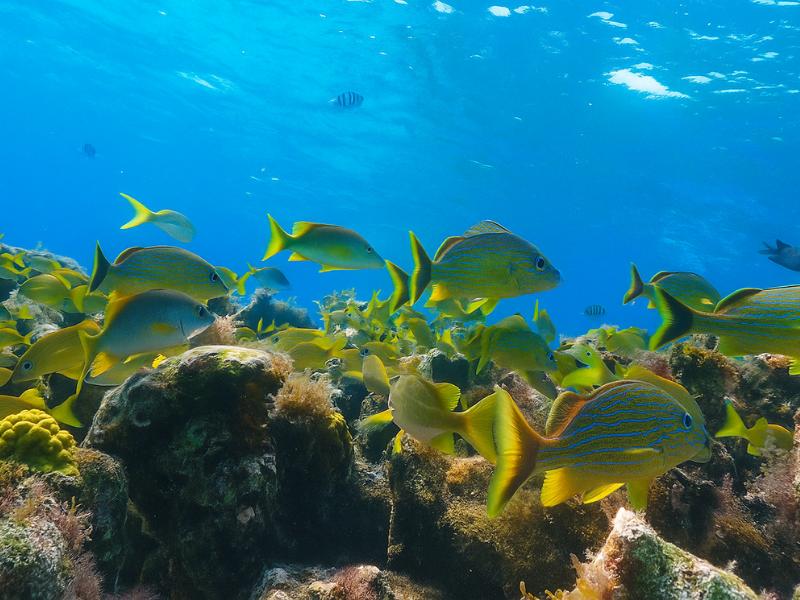
Turtle Sanctuary Luxury Catamaran Experience in Cozumel (4 Hours)
4-hour catamaran visiting the turtle sanctuary, El Cielo and El Cielito. Gear, fruit, ceviche, drinks and onboard bathroom included.
Cozumel Night Snorkeling: Observe Octopus & Marine Life
90 minutes, with about an hour in the water. Shore entry by Money Bar, snorkeling gear, lamps and videos included.
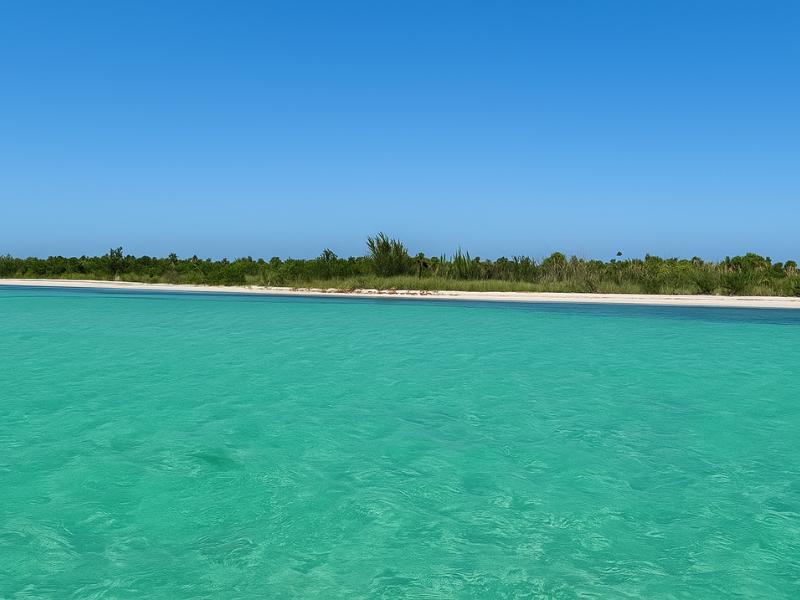
3 Reefs Cozumel Boat Tour with Snorkeling & Drinks
4 hours to Palancar, Columbia and El Cielo. English guide, gear, snack and drinks. Meet at Marina ASIPONA 15 minutes early; marine fee extra.
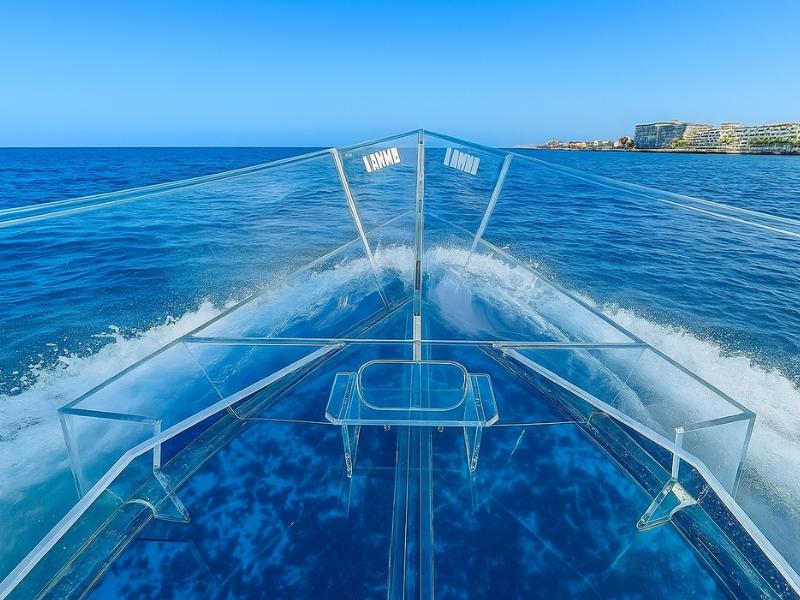
Invisible Boat Cozumel Snorkeling Adventure Tour
95 minutes. Transparent boat, guided snorkel stop, gear, water and sodas. Meet at Plaza Villamar opposite the ferry station.
Coral species: Brain corals reaching 6-8 feet diameter represent Cozumel’s most visually imposing coral formations with their distinctive labyrinthine surface patterns created over decades of slow colonial growth, while massive star coral formations create the reef’s structural foundation across most site types. Sea fans and sea whips belonging to the soft coral category create waving purple and yellow forests in current-exposed sections, with elkhorn and staghorn corals showing recovery in specific areas following historical bleaching events. The diversity across hard corals, soft corals, and encrusting species means every reef section shows different dominant formations, with snorkelers moving between dramatically different visual environments across even short drift distances.
Coral health: Cozumel’s reef system maintains generally excellent health under CCMA marine park protection established in 1996, with no-anchor regulations, mandatory guide supervision ratios, and reef-safe sunscreen requirements producing measurable preservation outcomes visible as dense continuous coral coverage rather than the degraded patchy reefs characterizing unprotected Caribbean alternatives. Some bleaching event recovery continues at specific sites where 2005’s Hurricane Wilma and subsequent thermal stress events caused localized damage, though recovery progression over the following two decades demonstrates the reef’s resilience under consistent protection. Visitors from other Caribbean destinations consistently remark on the coral density difference as one of Cozumel’s most immediately observable quality distinctions.
Sponges: Barrel sponges reaching 4-5 feet diameter and 300+ years age create the reef’s most ancient living structures, with single individuals representing biological entities older than most human institutions that snorkelers float above without recognizing the temporal scale they’re observing. Tube sponges in vivid purple, orange, and yellow clusters provide some of the reef’s most saturated color concentrations particularly at Palancar and Columbia, while encrusting sponges in red and orange varieties coat reef surfaces between coral formations creating the colorful background visible in every underwater photograph from these sites. Sponge diversity contributes significantly to the visual richness that distinguishes Cozumel reef photography from other Caribbean snorkeling destinations with comparable fish and large-animal wildlife.
These animals may be encountered in suitable reef habitat, but sightings vary with conditions, location and animal behavior. No measured sighting rate is established here, and a tour name or route does not guarantee an encounter.
Christmas tree worms and nudibranchs: Christmas tree worms in brilliant blue, orange, red, and yellow spiral pairs create some of the reef’s most jewel-like small-scale subjects, withdrawing instantly into coral substrate at shadow passage and re-emerging after 30-60 seconds of patient stillness. Nudibranchs representing dozens of species at various Cozumel sites reward macro-focused snorkelers willing to slow down enough examining individual coral sections rather than covering maximum reef distance, with flame scallops, arrow crabs, and flamingo tongue cowries adding to the invertebrate diversity that experienced snorkelers find as compelling as large-animal encounters. Guide expertise in locating these small species separates tours delivering rich multi-scale wildlife experiences from those focused exclusively on large animals that miss the reef’s extraordinary small-scale biological complexity.
Marine Life by Site – Where to Find Specific Species
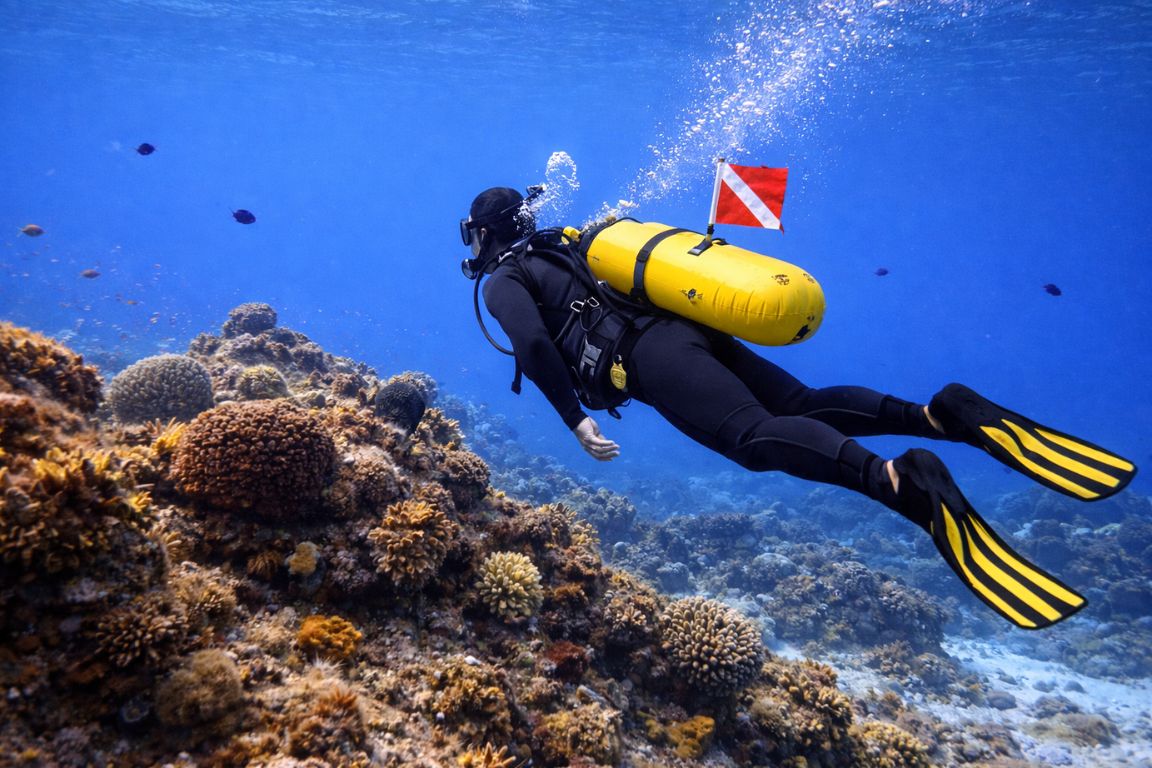
These animals may be encountered in suitable reef habitat, but sightings vary with conditions, location and animal behavior. No measured sighting rate is established here, and a tour name or route does not guarantee an encounter.
These animals may be encountered in suitable reef habitat, but sightings vary with conditions, location and animal behavior. No measured sighting rate is established here, and a tour name or route does not guarantee an encounter.
Palancar Gardens: Comprehensive wildlife portfolio combining possible sea turtles, strong eagle ray probability, reliable nurse sharks, and the spectacular coral garden formations making Palancar Cozumel’s most famous reef name creates the destination’s best all-around site for visitors wanting maximum wildlife diversity rather than optimizing for specific species. Guide positioning expertise at Palancar proves particularly valuable as the site’s size means different sections concentrate different species, with turtle habitat, eagle ray patrol routes, and nurse shark resting areas occupying distinct reef zones that informed routing covers efficiently while uninformed exploration might miss entirely. The coral garden sections with massive brain corals, sea fans, and dense fish populations provide extraordinary visual richness between large animal encounters that maintain consistent engagement throughout full site visits.
Chankanaab offers shore access, but its snorkeling area includes water too deep to stand in and rocky or stepped entries. Confirm the exact entry, conditions, supervision and accessibility before entering. Park admission alone does not establish suitability for a child or non-swimmer.
Paso del Cedral: Nurse shark concentration exceeds every other Cozumel site through specific sandy channel habitat between coral formations creating ideal resting conditions that regularly shows multiple large individuals simultaneously rather than the single animals typical at other locations. November and December spawning aggregations bring Nassau grouper and snapper species gathering in thousands at specific Paso del Cedral sections, creating wildlife density experiences impossible at other times of year that reward visitors specifically timing trips around this annual biological event. The site’s lower overall visitor volume compared to famous Palancar and Columbia neighbors creates quieter reef atmosphere where wildlife behaves with less human-disturbance influence, making Paso del Cedral particularly valuable for repeat Cozumel visitors seeking authentic encounters beyond the standard itinerary.
If you want to make the most of your time in the water, here are the best spots in Cozumel snorkeling tours based on visibility, coral health, and marine life.
| Species | Paradise Reef | Columbia Reef | Palancar Gardens | Chankanaab | Paso del Cedral | Santa Rosa Wall |
|---|---|---|---|---|---|---|
| Sea Turtles | Not quantified; conditions vary | Not quantified; conditions vary | Not quantified; conditions vary | Not quantified; conditions vary | Not quantified; conditions vary | Not quantified; conditions vary |
| Eagle Rays | Not quantified; conditions vary | Not quantified; conditions vary | Not quantified; conditions vary | Not quantified; conditions vary | Not quantified; conditions vary | Not quantified; conditions vary |
| Nurse Sharks | Not quantified; conditions vary | Not quantified; conditions vary | Not quantified; conditions vary | Not quantified; conditions vary | Not quantified; conditions vary | Not quantified; conditions vary |
| Moray Eels | Not quantified; conditions vary | Not quantified; conditions vary | Not quantified; conditions vary | Not quantified; conditions vary | Not quantified; conditions vary | Not quantified; conditions vary |
| Barracuda | Not quantified; conditions vary | Not quantified; conditions vary | Not quantified; conditions vary | Not quantified; conditions vary | Not quantified; conditions vary | Not quantified; conditions vary |
| Spotted Drum | Not quantified; conditions vary | Not quantified; conditions vary | Not quantified; conditions vary | Not quantified; conditions vary | Not quantified; conditions vary | Not quantified; conditions vary |
| Caribbean Reef Sharks | Not quantified; conditions vary | Not quantified; conditions vary | Not quantified; conditions vary | Rare | Not quantified; conditions vary | Not quantified; conditions vary |
| Lobster | Not quantified; conditions vary | Not quantified; conditions vary | Not quantified; conditions vary | Not quantified; conditions vary | Not quantified; conditions vary | Not quantified; conditions vary |
| Octopus | Not quantified; conditions vary | Not quantified; conditions vary | Not quantified; conditions vary | Not quantified; conditions vary | Not quantified; conditions vary | Not quantified; conditions vary |
| Tropical Fish Diversity | Excellent | Excellent | Excellent | Very Good | Very Good | Excellent |
| Coral Formation Quality | Good | Exceptional | Exceptional | Good | Very Good | Exceptional |
| Overall Wildlife Rating | 9/10 | 10/10 | 10/10 | 7/10 | 8/10 | 9/10 |
FAQ: Cozumel Marine Life Questions
1. Are sea turtle encounters guaranteed in Cozumel?
possible at 90-95% probability on quality morning tours at Paradise Reef or Palancar Gardens, not absolute guarantee on any individual tour. Rare misses occur during unusual weather events or specific current disruptions temporarily displacing animals from normal feeding areas.
2. Are there dangerous sharks in Cozumel?
Snorkeling involves swimming and carries drowning risk. A flotation aid does not replace swimming ability, close supervision or an operator assessment. Non-swimmers should choose dry boat viewing unless the operator explicitly confirms a suitable supervised program. Stop if distressed and signal the guide for assistance.
3. Will I see whale sharks while snorkeling in Cozumel?
Not at Cozumel reef sites – whale sharks require separate day trip to Isla Mujeres near Cancun during May-September season. Plan this as distinct excursion rather than reef snorkeling addition, with peak June-August aggregations worth the planning investment for visitors prioritizing this encounter specifically.
4. What’s the most unusual marine life I might see?
Frogfish mimicking sponge texture so perfectly that guides nearly touch them, seahorses anchored to sea fans, octopuses cycling through color changes, and spotted drum juveniles circling with their dramatic trailing fins all represent genuinely unusual encounters. Guide expertise locating micro-habitat species separates ordinary from extraordinary tours.
5. How close do marine animals get to snorkelers?
Sea turtles regularly approach within arm’s length, eagle rays bank past at 6-10 feet, and nurse sharks rest within touching distance under visible ledges. Cozumel’s animal proximity consistently surprises visitors expecting distant silhouettes from other Caribbean destinations with lower wildlife density.
6. What’s the best site for seeing eagle rays?
These animals may be encountered in suitable reef habitat, but sightings vary with conditions, location and animal behavior. No measured sighting rate is established here, and a tour name or route does not guarantee an encounter.
7. Can I touch the marine life in Cozumel?
No – touching is prohibited throughout CCMA marine park, harmful to animals and reef structures, and genuinely unnecessary given how closely wildlife approaches without any contact encouragement. Sunscreen chemicals transfer from hands to coral causing tissue damage, making the no-touch guideline both legal requirement and ecological protection.
8. Does time of year affect what marine life I’ll see?
Year-round residents including turtles, eagle rays, and nurse sharks appear throughout all months with December-April peak visibility improving encounter quality rather than species availability. Seasonal specials include manta rays December-March, spawning aggregations November-December, and whale shark day trips May-September requiring separate excursion planning.
Glossary: Cozumel Marine Life Terms
Cleaning Station: Specific reef locations where small fish and shrimp remove parasites from larger animals, attracting species like manta rays and large fish to predictable hovering positions. Guide knowledge of active cleaning stations dramatically improves manta ray and large fish encounter probability versus random reef exploration.
Pelagic vs Reef Species: Reef species like nurse sharks and moray eels inhabit specific reef structures permanently, while pelagic species like whale sharks and manta rays travel open water visiting reefs temporarily. This distinction explains why whale sharks require separate Isla Mujeres trips while reef species appear predictably at the same Cozumel locations tour after tour.
Spawning Aggregation: Seasonal gathering where normally solitary territorial fish congregate in thousands at specific locations for reproduction events, creating extraordinary wildlife density impossible at other times. Cozumel’s November-December Nassau grouper aggregations at Paso del Cedral represent one of the Caribbean’s most impressive examples.
Coral Bleaching and Recovery: Bleaching occurs when thermal stress causes coral to expel symbiotic algae, turning formations white and potentially causing mortality if stress continues. Cozumel’s CCMA protection reduces additional stressors allowing reef recovery between bleaching events, producing healthier overall reef condition than unprotected Caribbean alternatives experiencing identical thermal stress.
Benthic Species: Bottom-dwelling animals including nurse sharks, flounders, and scorpionfish that rest on or near reef substrate rather than swimming actively through water column. Benthic species reward slow deliberate observation over specific reef sections rather than continuous forward movement that misses camouflaged residents entirely.
Schooling Behavior: Coordinated group movement of same-species fish creating collective formations providing predator confusion protection and hydrodynamic efficiency benefits. Cozumel’s French grunt clouds, blue chromis curtains, and occasional chevron barracuda tornadoes represent schooling behavior at scales that transform individual species observations into genuinely spectacular wildlife experiences.
Encounter Probability: Statistical likelihood of observing specific species during a given tour, reflecting population density, habitat specificity, guide expertise, site selection, and seasonal factors combined. Understanding probability language prevents both disappointment when near-certain encounters occasionally don’t materialize and missed opportunities when lower-probability species appear unexpectedly.
Ready to Meet Cozumel’s Marine Life?
These animals may be encountered in suitable reef habitat, but sightings vary with conditions, location and animal behavior. No measured sighting rate is established here, and a tour name or route does not guarantee an encounter.
This isn’t marketing. Our guides have run these tours thousands of times and still watch sea turtles approach within arm’s length of first-time snorkelers who aren’t expecting it, still notice eagle ray schools banking through clear water affecting everyone on the boat simultaneously, still see the moment visitors realize what they’re looking at and understand why Cozumel specifically earned the reputation that brought them here.
For eagle rays or Palancar timing, the 3 Reefs boat tour includes Columbia and Palancar on a morning departure; for after-dark species, use the night snorkeling tour.
The 3 Reefs boat tour is the public 4-hour trip that includes Palancar and Columbia, the two sites this guide matches to turtles, eagle rays, and nurse sharks.
From the guides at Cozumel Snorkeling Tours who’ve witnessed thousands of turtle encounters, hundreds of eagle ray school moments, and more nurse shark introductions to terrified-then-delighted visitors than we can count, and who still find the reef genuinely remarkable every single morning we enter the water.