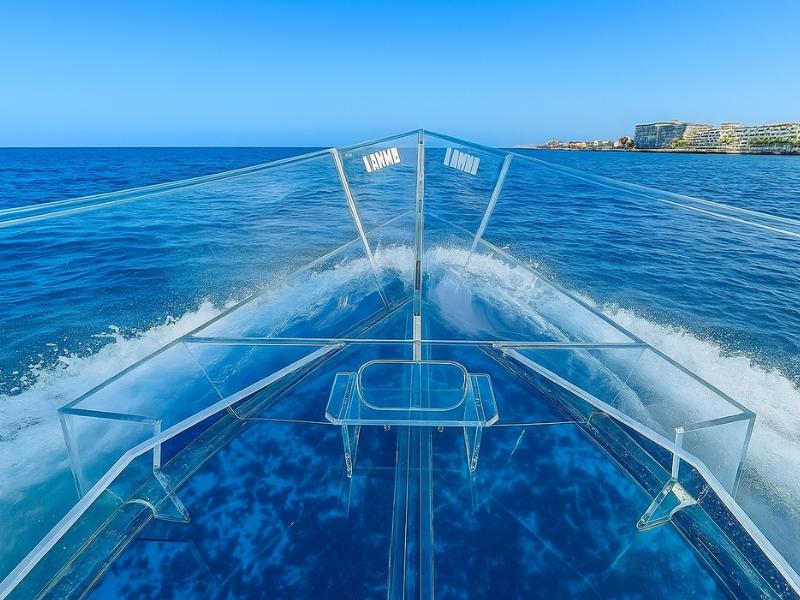
Is Cozumel Good for Snorkeling?
Is Cozumel really world-class snorkeling — or just another overhyped Caribbean promise? We break down reef quality, real visibility levels, marine life odds, crowd factors, and how it compares to other top destinations so you know exactly what to expect before you book.
Last updated: March 11, 2026
Travelers researching Caribbean snorkeling destinations encounter Cozumel mentioned repeatedly as world-class, but marketing hype surrounds virtually every tropical destination making honest quality assessment genuinely difficult. Some visitors arrive expecting perfection then feel disappointed by Norte wind days or crowded spring break reefs, while others arrive with modest expectations and leave calling it the best underwater experience of their lives. The difference usually comes down to timing, operator selection, and realistic understanding of what Cozumel actually delivers versus what brochures promise.
Decide between offshore reefs, shore access and a shorter viewing trip. Explore Turtle Sanctuary Catamaran
At Cozumel Snorkeling Tours where we’ve guided thousands of snorkelers across all skill levels through these reefs, we provide honest assessment about what makes Cozumel genuinely exceptional, where limitations exist, and whether it matches your specific expectations. This complete guide covers reef system quality and health, actual visibility expectations across seasons, marine life encounter probabilities, site-by-site breakdowns, beginner versus advanced suitability, equipment needs, and honest comparisons against other top snorkeling destinations worldwide, giving you realistic picture before booking rather than discovering reality upon arrival.
Is Cozumel Worth It for Snorkeling?
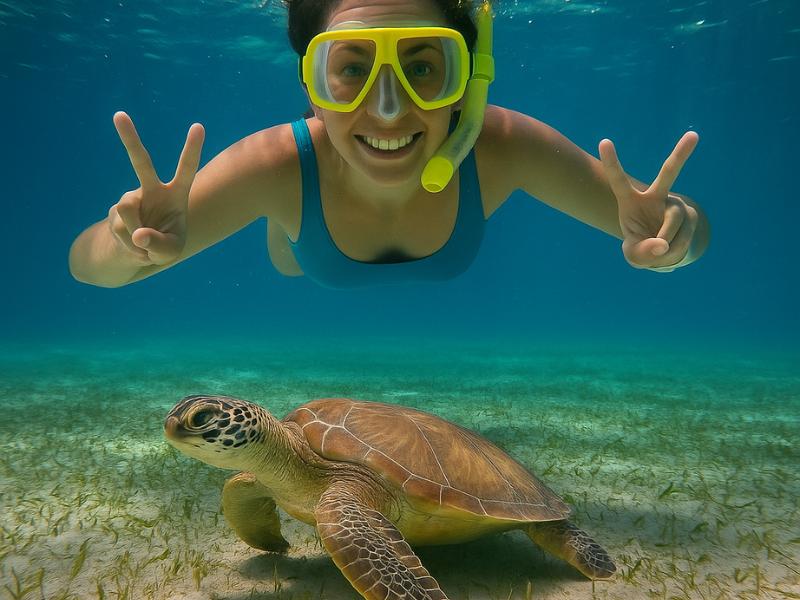
Yes, genuinely and consistently world-class with 80-100+ foot visibility during prime months, spectacular reef formations along the Mesoamerican Barrier Reef, and marine biodiversity delivering sea turtles, eagle rays, and nurse sharks on virtually every trip.
What makes it exceptional: Cozumel sits along the world’s second largest barrier reef system with Caribbean current constantly flushing clean oceanic water through western reef channels, maintaining extraordinary clarity impossible at destinations relying on calmer enclosed waters accumulating sediment. Marine biodiversity exceeds 500 fish species plus consistent large-animal encounters with rays, sharks, and turtles that other Caribbean destinations occasionally deliver but Cozumel provides reliably. The combination of current-driven clarity, healthy reef formations, and abundant wildlife creates genuinely world-class conditions rather than marketing exaggeration.
Honest limitations: Drift snorkeling using natural current requires basic comfort in moving water, with some visitors initially nervous about current carrying them along reef before relaxing into effortless floating experience. Certain sites suit experienced swimmers better with stronger currents and deeper water, though numerous sheltered shallow alternatives accommodate complete beginners. Norte wind events December-February occasionally disrupt western site access for 1-3 days, and September-October hurricane season reduces both conditions and reliability.
Skill level suitability: Beginners find excellent options at sheltered shallow sites like Chankanaab Park and Paradise Reef with calm manageable conditions, while intermediate snorkelers access Palancar Reef’s famous formations, and advanced swimmers tackle Santa Rosa Wall’s dramatic drift sections. Every skill level finds genuinely rewarding experiences rather than compromising on quality for safety or vice versa.
Practical recommendation: Cozumel delivers exceptional value for snorkelers prioritizing underwater visibility and consistent marine life encounters, outperforming most Caribbean alternatives at comparable or lower cost. The reef system, clarity, and wildlife combination justifies dedicated travel rather than treating snorkeling as secondary activity during broader Mexico vacation.
| Destination | Visibility | Marine Life | Reef Quality | Accessibility | Tour Cost | Crowds | Overall Snorkeling Rating |
|---|---|---|---|---|---|---|---|
| Cozumel, Mexico | 80-100+ ft – Exceptional | 10/10 – Turtles, rays, sharks reliable | 9/10 – Mesoamerican Barrier Reef, healthy | Easy – Multiple daily tours | $45-85 half day | Moderate-High peak | 10/10 World-Class |
| Belize Barrier Reef | 60-80 ft – Excellent | 9/10 – Great diversity, whale sharks | 9/10 – UNESCO protected, pristine | Moderate – Boat required | $60-100 | Low-Moderate | 9/10 Exceptional |
| Roatan, Honduras | 60-80 ft – Very Good | 8/10 – Good diversity, healthy reef | 8/10 – Well-preserved, varied | Easy – Shore accessible | $35-70 | Low | 8/10 Excellent Value |
| Turks and Caicos | 80-100 ft – Exceptional | 8/10 – Good diversity, fewer large animals | 9/10 – Pristine, protected | Easy – Multiple operators | $70-120 | Low-Moderate | 9/10 Premium |
| Cancun / Isla Mujeres | 40-70 ft – Moderate | 7/10 – Good but less consistent | 6/10 – Some degradation near Cancun | Very Easy – Mass tourism | $35-65 | Very High | 6/10 Convenient |
| Cayman Islands | 80-100 ft – Exceptional | 8/10 – Good reef life, stingrays iconic | 9/10 – Excellent protection | Easy – Well-developed | $80-130 | Moderate-High | 9/10 Premium Quality |
| Jamaica | 40-60 ft – Moderate | 6/10 – Variable, some degradation | 5/10 – Inconsistent reef health | Easy – Resort-based | $40-75 | High resorts | 6/10 Variable |
Cozumel’s Reef System Explained
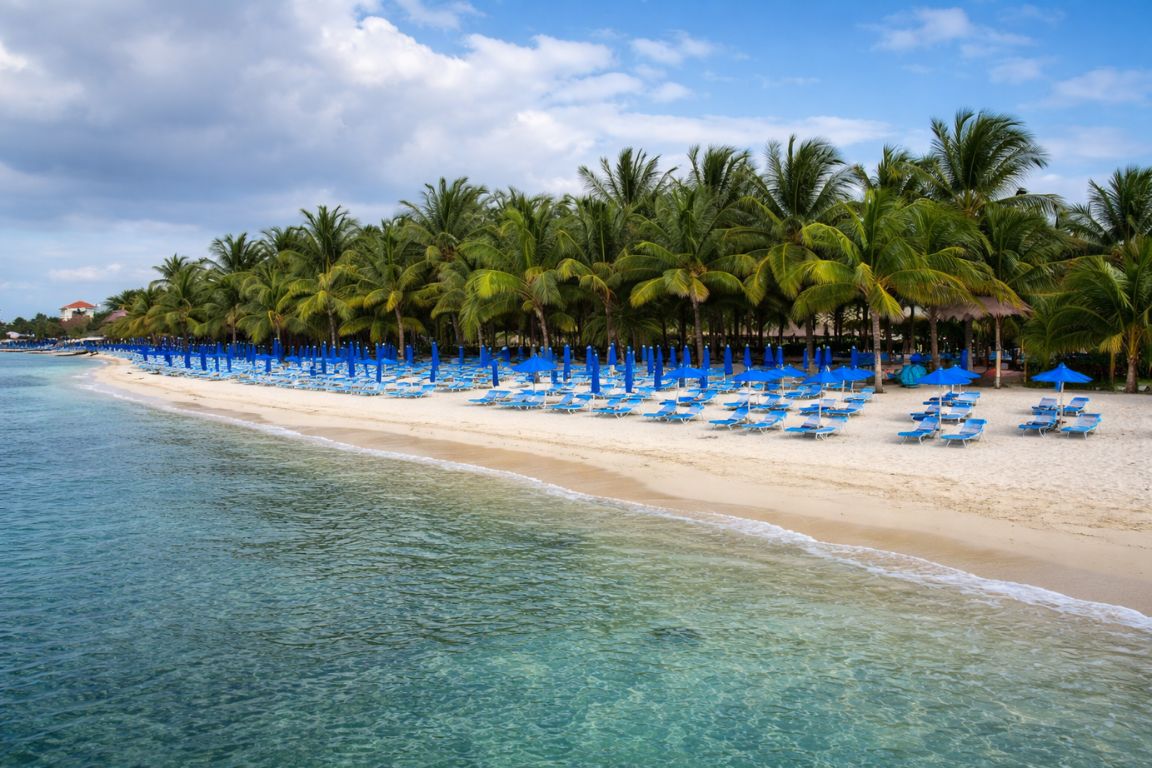
Mesoamerican Barrier Reef: Stretching 600+ miles from Mexico’s Yucatan Peninsula through Belize, Guatemala, and Honduras, the Mesoamerican Barrier Reef represents world’s second largest barrier reef system after Australia’s Great Barrier Reef. Cozumel occupies prime position along this system’s northern section where oceanic circulation maintains exceptional water quality and reef health. The scale and connectivity of this reef system creates extraordinary marine biodiversity as species travel and breed across connected habitat stretching hundreds of miles, explaining Cozumel’s remarkable 500+ fish species count.
Cozumel’s western shore: Protected leeward western coast hosts virtually all primary snorkeling sites, sheltered from prevailing easterly trade winds creating calm surface conditions most mornings. The western shore runs approximately 30 miles with continuous reef formations varying from shallow beginner-friendly patches to dramatic deep walls, providing diverse site options within short boat distances from Cozumel’s main pier. Eastern shore remains exposed to open Caribbean swells making snorkeling impractical and inaccessible most days, concentrating quality snorkeling entirely along western reef systems.
Reef types: Shallow patch reefs (5-20 feet) like Chankanaab and Paradise Reef provide calm environments with brain corals, sea fans, and abundant fish life ideal for beginners and families. Wall reefs including Palancar drop dramatically from 15-foot snorkeling depths to 80-130+ foot walls visible from surface, creating spectacular vertical landscapes unique to Cozumel’s geological structure. Drift reefs along Santa Rosa Wall use stronger current sections for effortless floating experiences covering maximum reef distance, requiring basic swimming confidence though delivering extraordinary comprehensive encounters.
Water clarity drivers: Caribbean current sweeping consistently northward along Cozumel’s western shore continuously replaces water from open ocean, preventing the sediment accumulation and biological runoff reducing visibility at enclosed or protected destinations. Minimal freshwater input from surrounding land means no river or stream runoff introducing sediment, nutrients, or pollution commonly degrading reef visibility elsewhere. Ocean circulation patterns concentrate nutrient-rich water supporting abundant marine life while simultaneously maintaining remarkable clarity through constant water column renewal impossible in stagnant enclosed reef systems.
Reef health: Currently excellent overall with CCMA marine park protection showing measurable success preserving coral coverage, species diversity, and overall reef structure integrity compared to Caribbean destinations lacking equivalent enforcement. Some historical bleaching events during warm water years affected portions of reef, with recovery ongoing and visible through juvenile coral recruitment on previously bleached sections. Responsible operators avoiding anchor damage, prohibiting touching corals, and enforcing reef-safe sunscreen requirements contribute meaningfully to preservation outcomes visitors experience as healthy vibrant underwater environments.
Marine park protection: CCMA (Cozumel’s Coastal Marine Zone Conservation) established comprehensive reef protection regulations in 1996 including no-anchor zones protecting coral formations, mandatory guide ratios limiting group sizes, prohibited fishing throughout marine park boundaries, and required reef-safe sunscreen eliminating chemical pollution. Regular enforcement patrols fine operators and visitors violating regulations, creating meaningful deterrent protecting reef health from overuse damage common at unprotected destinations. The result proves measurable with Cozumel’s reef health consistently rated among Caribbean’s best despite receiving millions of visitors annually.
| Site Name | Depth (Snorkeling) | Difficulty | Key Highlights | Best For | Boat Access Required | Entry Cost | Current Strength |
|---|---|---|---|---|---|---|---|
| Palancar Gardens | 8-20 ft | Beginner-Intermediate | Coral formations, fish density, sea turtles | All levels, most popular | Yes – 20 min boat | Included in tours | Mild-Moderate |
| Palancar Reef (Wall) | 15-25 ft (wall drops to 80+ ft) | Intermediate | Dramatic wall, eagle rays, large formations | Experienced snorkelers | Yes – 20 min boat | Included in tours | Moderate |
| Columbia Reef | 10-25 ft | Intermediate | Eagle ray encounters, coral columns, clear water | Marine life enthusiasts | Yes – 25 min boat | Included in tours | Moderate-Strong |
| Santa Rosa Wall | 15-30 ft | Intermediate-Advanced | Dramatic drift, large formations, diverse wildlife | Experienced, drift comfortable | Yes – 15 min boat | Included in tours | Strong |
| Paradise Reef | 8-15 ft | Beginner | Turtle sightings, manageable current, coral gardens | Beginners, families | Yes – 10 min boat | Included in tours | Mild |
| Chankanaab Park | 5-15 ft | Beginner | Shore accessible, calm conditions, varied reef life | Beginners, independent snorkelers | Shore accessible | $24 park entry | Very Mild |
| San Francisco Beach | 5-20 ft | Beginner-Intermediate | Independent access, turtles, reef fish | Independent exploration | Shore accessible | Free beach access | Mild |
Water Visibility – What to Actually Expect
Average visibility: Cozumel averages 60-100+ feet of horizontal underwater visibility throughout most of the year, placing it firmly in top 5% worldwide for snorkeling clarity. The combination of oceanic current, minimal runoff, and Caribbean water characteristics creates conditions where reef formations visible at distances feeling almost impossible to first-time visitors. Even reduced-visibility periods during wet season typically deliver 60-70 feet, exceeding excellent conditions at most competing destinations.
Seasonal variation: December through April consistently delivers 80-100+ foot clarity during dry season when rainfall eliminates runoff, clear skies maximize light penetration, and calm conditions prevent sediment disturbance. May through August shows gradual reduction to 65-90 feet as rainy season begins though conditions remain genuinely impressive by global standards. September and October drop to 40-60 feet during hurricane season when storm runoff, surge, and cloud cover combine reducing clarity to annual low points.
How visibility compares globally: Consistently ranked top 3-5 worldwide snorkeling visibility by dive and snorkel industry publications, with only select Red Sea locations, Palau, and occasional Maldives sites matching Cozumel’s peak clarity. Caribbean neighbors including Cancun, Jamaica, and Dominican Republic average 30-60 feet representing substantially inferior conditions despite marketing similar tropical snorkeling experiences. The difference between 50-foot and 100-foot visibility proves dramatic underwater as double the reef becomes visible simultaneously creating completely different spatial experience.
What affects visibility: Seasonal rainfall represents primary driver with dry season eliminating runoff entirely versus wet season introducing biological material reducing clarity. Current strength and direction influence daily conditions as stronger currents flush sediment faster maintaining better visibility, while wind-driven surface turbulence temporarily reduces surface clarity without necessarily affecting deeper water quality. Time of day matters with midday sun providing maximum light penetration optimizing visibility between 10am-2pm when sun angle illuminates reef formations most effectively.
Texas couple visiting Cozumel after snorkeling Cancun the previous year described immediate visible difference entering water at Palancar, saying they could see the sandy bottom 60 feet below and watch a sea turtle swimming 40 feet away while still at surface, something impossible during their Cancun experience where visibility extended barely 20 feet through murky water.
We’ve mapped out the best time to visit Cozumel snorkeling tours month by month so you know when visibility peaks and when to avoid the rougher conditions.
Marine Life You’ll Actually See
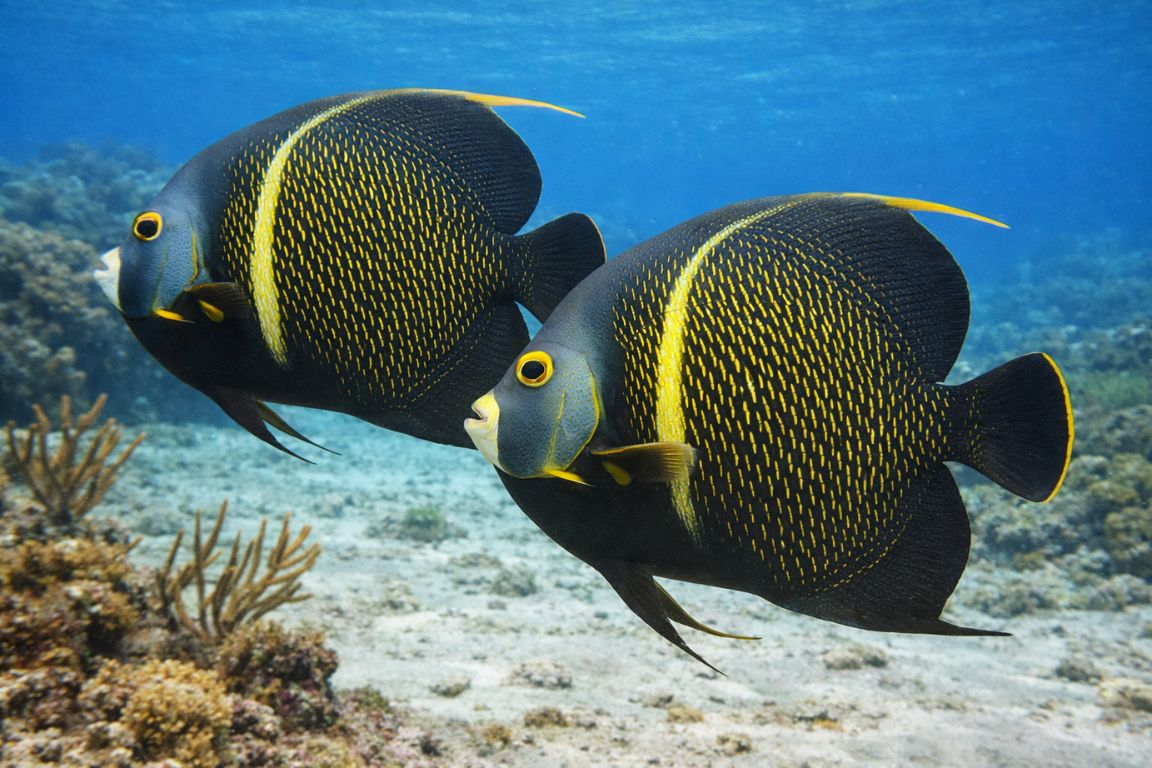
These animals may be encountered in suitable reef habitat, but sightings vary with conditions, location and animal behavior. No measured sighting rate is established here, and a tour name or route does not guarantee an encounter.
These animals may be encountered in suitable reef habitat, but sightings vary with conditions, location and animal behavior. No measured sighting rate is established here, and a tour name or route does not guarantee an encounter.
Possible encounters: Whale sharks require separate full-day boat trip to Isla Mujeres during May-September season, not encountered directly at Cozumel reef sites but absolutely accessible as day excursion creating bucket-list combination with reef snorkeling. Manta rays appear unpredictably at cleaning stations during December-March winter months, with experienced guides knowing locations improving encounter probability significantly versus random chance. Reef sharks including Caribbean reef sharks occasionally patrol outer reef edges, providing exciting distant observations though rarely approaching snorkelers closely enough creating concern.
Coral species: Brain corals create massive dome formations reaching several feet diameter, their distinctive maze-pattern surfaces representing decades of slow growth visible at virtually every Cozumel site. Massive star corals form imposing boulder shapes, while sea fans and sea whips sway gracefully in gentle current creating flowing underwater garden effects. Elkhorn and staghorn coral formations show recovery from historical bleaching in certain areas, with juvenile colonies demonstrating reef resilience and ongoing restoration success throughout Cozumel’s protected marine park.
Fish diversity: Over 500 fish species inhabit Cozumel waters representing extraordinary Caribbean biodiversity concentrated along healthy reef systems supporting diverse habitat types. Single snorkeling trips typically encounter 30-50 distinct species including multiple angelfish varieties, damselfish defending coral territories aggressively, peacock flounders camouflaged on sandy patches, and occasional exotic species like seahorses rewarding attentive observers. The diversity exceeds most Caribbean destinations significantly, with experienced guides pointing out species casual observers miss, dramatically increasing encounter counts and overall trip richness.
Curious about what’s actually down there? I’ve broken down the marine life in Cozumel snorkeling tours so you know what to look for and what’s realistic to expect.
| Species | Encounter Probability | Best Sites | Best Months | Notes |
|---|---|---|---|---|
| Green/Hawksbill Sea Turtles | Not quantified; conditions vary | All sites, especially Paradise Reef | Year-round | Multiple turtles per trip common |
| Eagle Rays | Not quantified; conditions vary | Palancar, Columbia, Santa Rosa | Year-round, peak Feb-April | Often in pairs or small groups |
| Nurse Sharks | Not quantified; conditions vary | Palancar Gardens, Columbia | Year-round | Resting under ledges, approachable |
| Tropical Fish (500+ species) | Not quantified; conditions vary | All sites | Year-round | 30-50 species per typical trip |
| Moray Eels | Not quantified; conditions vary | All sites, look in crevices | Year-round | Multiple species, green moray largest |
| Barracuda | Not quantified; conditions vary | Reef edges, near surface | Year-round | Schools possible, not dangerous |
| Spiny Lobster | Not quantified; conditions vary | Columbia, Palancar | Year-round | Under ledges, look carefully |
| Manta Rays | Not quantified; conditions vary | Cleaning stations, western wall | December-March | Guide knowledge improves probability |
| Reef Sharks | Not quantified; conditions vary | Outer reef edges, Columbia | Year-round | Distant sightings typical |
| Whale Sharks | Not quantified; conditions vary | Isla Mujeres (separate trip) | May-September | Full-day excursion required, $150-250 |
| Seahorses | Not quantified; conditions vary | Sea grass areas, Chankanaab | Year-round | Guide spotting essential |
| Coral Spawning | Near certain if timed | All reef sites | August full moon | Requires exact timing 3-5 nights |
Texas photographer visiting for first time expecting “just colorful fish” encountered green sea turtle resting directly beneath her within five minutes, eagle ray gliding past 10 minutes later, and nurse shark visible under coral ledge at final site, later telling us she’d snorkeled Jamaica and Dominican Republic previously without seeing single large animal, calling Cozumel’s wildlife density “incomparably better than anywhere else I’ve been.”
Recommended tours by season
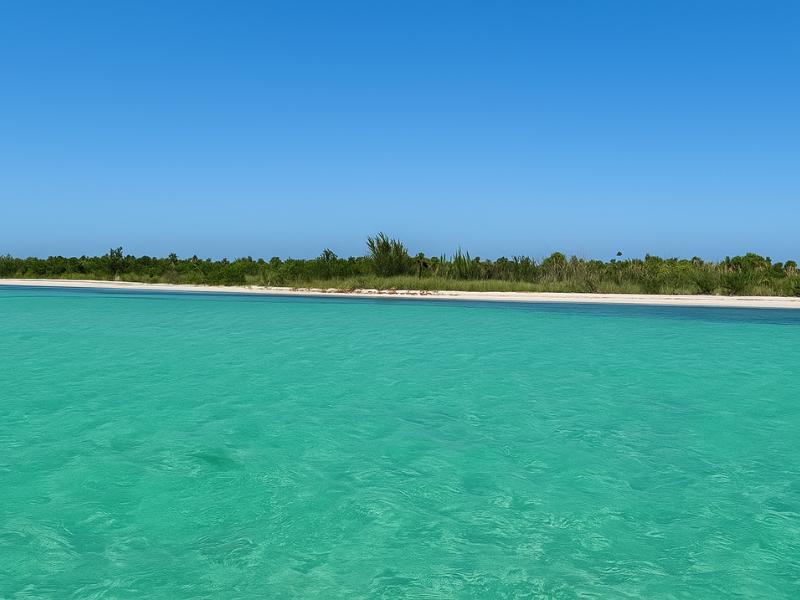
3 Reefs Cozumel Boat Tour with Snorkeling & Drinks
4 hours to Palancar, Columbia and El Cielo. English guide, gear, snack and drinks. Meet at Marina ASIPONA 15 minutes early; marine fee extra.
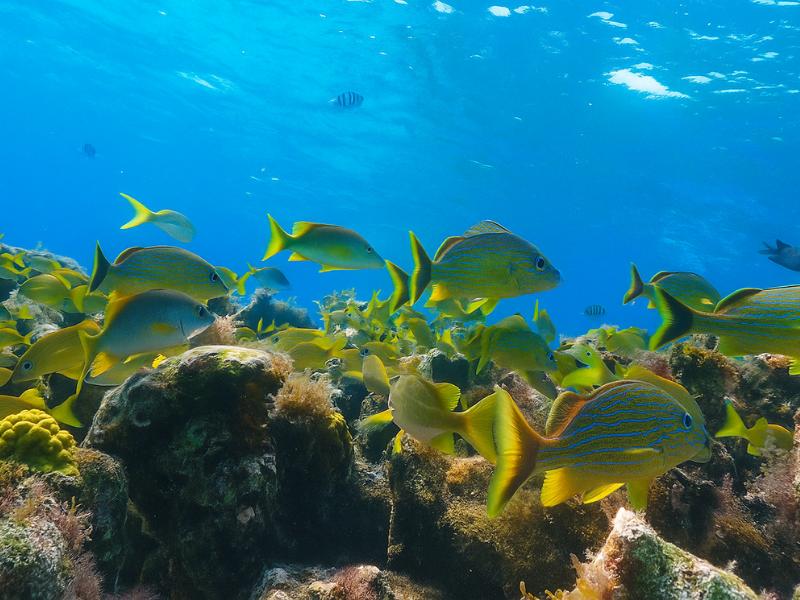
Turtle Sanctuary Luxury Catamaran Experience in Cozumel (4 Hours)
4-hour catamaran visiting the turtle sanctuary, El Cielo and El Cielito. Gear, fruit, ceviche, drinks and onboard bathroom included.
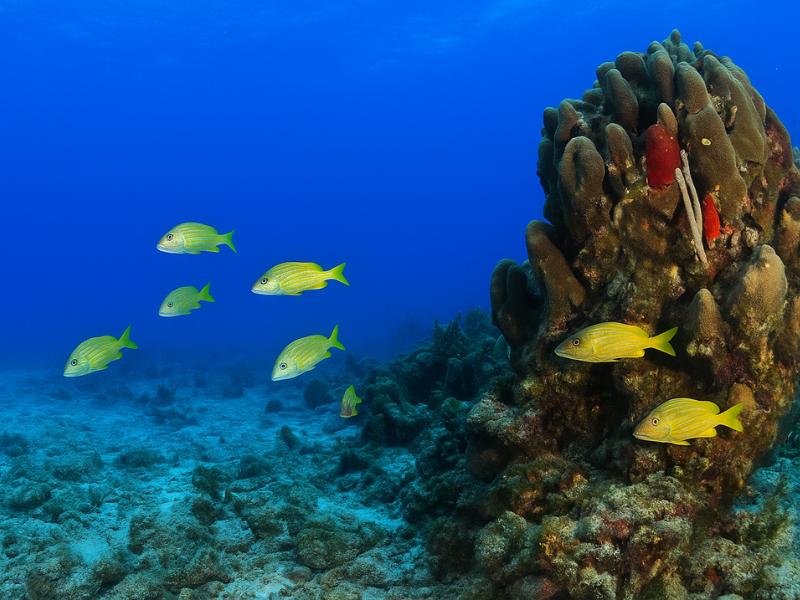
Chivis Del Mar: Coastal Snorkel Tour in Cozumel
90-minute coastal glass-bottom boat itinerary listing Dzul-Ha and Paradise reefs, with English/Spanish guide and snorkeling equipment. Meet at Chivis Del Mar, Caleta Harbor; transfers are separate.
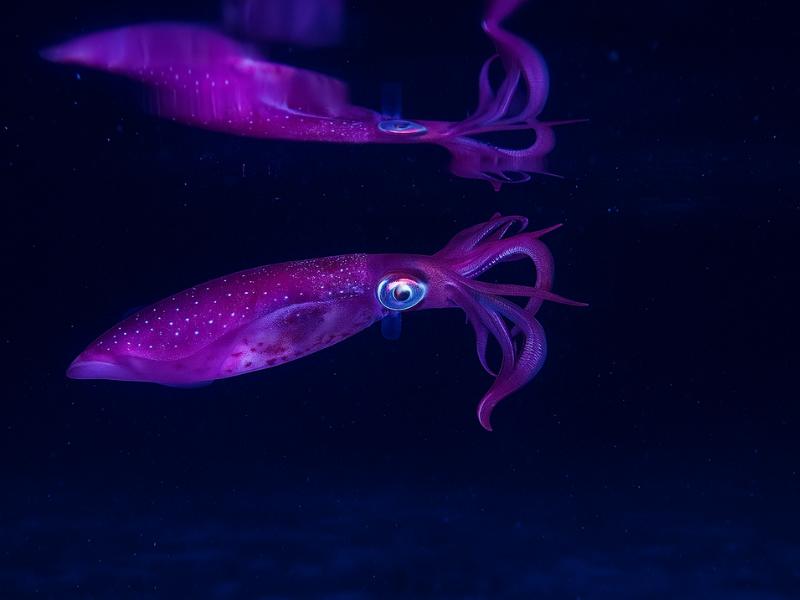
Cozumel Night Snorkeling: Observe Octopus & Marine Life
90 minutes, with about an hour in the water. Shore entry by Money Bar, snorkeling gear, lamps and videos included.
Best Snorkeling Sites in Cozumel
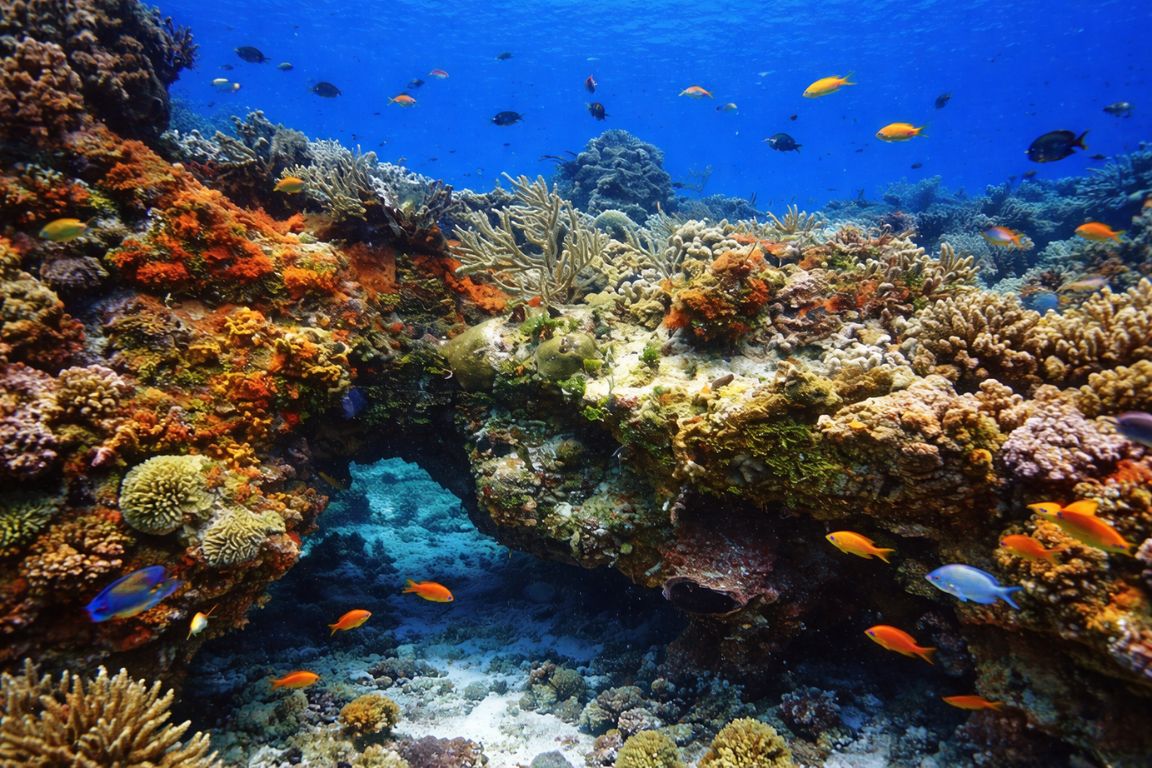
Palancar Reef: World-famous site delivering Cozumel’s most comprehensive snorkeling experience through two distinct zones serving different skill levels and interests. Palancar Gardens section features shallow 8-20 foot coral formations with exceptional fish density, resident sea turtles, and manageable mild currents making it accessible and rewarding for intermediate beginners through experienced snorkelers. The deeper Palancar Wall drops dramatically from snorkeling depth to 80+ feet visible from surface, creating extraordinary vertical landscape perspective unique to wall reef environments. Most snorkeling tours visit Palancar as primary site given consistent wildlife encounters, spectacular formations, and reliable conditions making it appropriate first choice for first-time Cozumel visitors.
Columbia Reef: Arguably most visually stunning site featuring dramatic coral column formations rising from sandy bottom creating cathedral-like underwater architecture, with exceptional eagle ray encounter probability distinguishing it from other sites. Slightly deeper than Palancar Gardens with stronger current sections requiring basic drift comfort, making Columbia better suited for intermediate snorkelers rather than absolute beginners. Visibility at Columbia consistently rivals Palancar’s best days, with the combination of unique formations, eagle ray sightings, and generally smaller tour groups creating superior experience for those comfortable with conditions. Experienced guides position snorkelers at optimal locations for eagle ray passes, dramatically improving large-animal encounter probability versus random current drifting.
Chankanaab Park: Primary beginner and family destination with shore-accessible snorkeling, calm protected waters, and managed environment providing safe introduction to Cozumel reef life. Entry fee of approximately $24 per person includes park facilities, changing rooms, restaurants, and locker access making it complete self-contained experience beyond pure snorkeling. Reef life includes resident sea turtles, nurse sharks, and abundant tropical fish in shallower calmer water than offshore sites, though wildlife density and coral quality doesn’t match offshore reefs requiring boat access. Ideal for families with young children, nervous beginners wanting controlled environment, or independent travelers preferring self-guided exploration without guided tour commitment.
Paradise Reef: Shallow 8-15 foot depth with consistently mild currents makes Paradise ideal beginner site combining accessibility with genuine wildlife encounters including reliable sea turtle sightings and diverse reef fish populations. Located closer to shore than Palancar or Columbia allowing shorter boat trips suitable for motion-sensitive snorkelers or tours combining multiple sites efficiently. Coral formations less dramatic than Palancar or Columbia though abundant and healthy, providing colorful backdrop for wildlife encounters without requiring advanced reef navigation. Popular with afternoon tours and cruise ship excursion operators given accessibility and consistent beginner-appropriate conditions making it reliable choice for guaranteed positive experience.
San Francisco Beach: Shore-accessible snorkeling along southern hotel zone beach enabling independent exploration without tour commitment, providing genuine reef life encounters including turtles, reef fish, and occasional rays within swimming distance of beach. Free beach access makes this budget-friendly alternative to paid tours or park entry fees, though reef quality and marine life density prove noticeably lower than offshore boat-access sites. Best suits independent travelers, experienced snorkelers comfortable self-directing exploration, or visitors wanting quick spontaneous snorkeling without advance planning requirements. Morning sessions before beach crowds arrive and wind picks up provide best conditions, with visibility and calm water quality typically superior during early hours.
Santa Rosa Wall: Most dramatic snorkeling site featuring powerful drift current carrying snorkelers effortlessly along impressive wall formations dropping from 15-foot snorkeling depth to spectacular depths visible below. Stronger current than other sites requires genuine comfort in moving water and inability stopping to hover in place, making Santa Rosa inappropriate for beginners or anxious swimmers despite guide supervision. Wildlife encounters prove diverse with large formations supporting exceptional fish density, eagle rays appearing regularly, and overall reef structure among Cozumel’s most impressive geological formations. Advanced snorkelers describe Santa Rosa as most exhilarating Cozumel experience, with effortless current drift covering maximum reef distance creating comprehensive natural encounter impossible through self-powered swimming.
Not sure where to actually go in the water? I’ve mapped out the best spots in Cozumel snorkeling tours so you know which reefs are worth your time.
| Site | Depth | Difficulty | Key Highlights | Access | Best For | Entry Cost | Current | Overall Rating |
|---|---|---|---|---|---|---|---|---|
| Palancar Gardens | 8-20 ft | Beginner-Intermediate | Coral formations, fish density, sea turtles | Boat (20 min) | Most visitors, first-timers | Tour included | Mild | 10/10 |
| Palancar Wall | 15-25 ft (wall to 80+ ft) | Intermediate | Dramatic wall, eagle rays, vertical landscape | Boat (20 min) | Experienced snorkelers | Tour included | Moderate | 10/10 |
| Columbia Reef | 10-25 ft | Intermediate | Eagle rays, coral columns, cathedral formations | Boat (25 min) | Marine life enthusiasts | Tour included | Moderate-Strong | 9/10 |
| Santa Rosa Wall | 15-30 ft | Intermediate-Advanced | Powerful drift, massive formations, diverse wildlife | Boat (15 min) | Experienced, drift comfortable | Tour included | Strong | 9/10 |
| Paradise Reef | 8-15 ft | Beginner | Turtle sightings, manageable current, coral gardens | Boat (10 min) | Beginners, families | Tour included | Mild | 8/10 |
| Chankanaab Park | 5-15 ft | Complete Beginner | Shore accessible, calm, managed environment | Shore entry | Families, absolute beginners | $24 park entry | Very Mild | 7/10 |
| San Francisco Beach | 5-20 ft | Beginner-Intermediate | Independent access, turtles, reef fish | Shore (free) | Independent explorers | Free | Mild | 6/10 |
Beginner Snorkeling in Cozumel
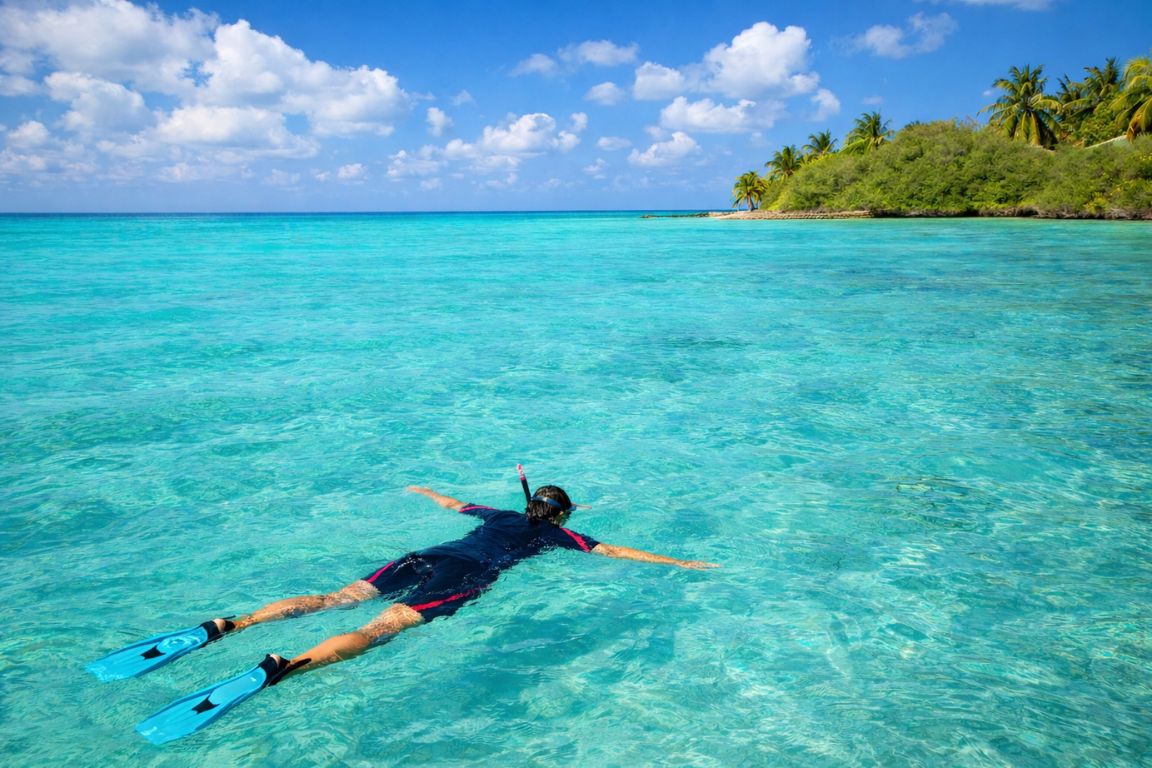
Suitability for beginners: Excellent destination for first-time snorkelers with right site selection and operator choice, offering genuinely rewarding wildlife encounters at beginner-appropriate shallow sites without requiring advanced swimming skills or previous snorkeling experience. Cozumel’s calm western shore creates protected morning conditions with mild currents manageable for nervous swimmers, while professional guides provide hands-on instruction and constant supervision ensuring comfort throughout. The high marine life density means beginners encounter sea turtles, eagle rays, and colorful reef fish even at easier shallow sites, delivering world-class experiences without requiring challenging advanced conditions. Many visitors complete their first-ever snorkeling experience at Cozumel specifically because reliable wildlife encounters reward beginners immediately rather than requiring experience developing observation skills.
Best beginner sites: Chankanaab Park provides most controlled beginner environment with shore entry, very calm water, shallow 5-15 foot depths, and managed conditions eliminating uncertainty about currents or boat access. Paradise Reef suits beginners joining guided boat tours with mild predictable currents, 8-15 foot depths, reliable turtle sightings, and overall forgiving conditions building confidence. Shallow Palancar Gardens section serves intermediate beginners ready for boat tours with slightly more diverse wildlife and impressive coral formations rewarding those comfortable basic drift snorkeling, representing natural progression from sheltered sites toward Cozumel’s more impressive offshore reefs.
Equipment: All operators provide masks, snorkels, fins, and life vests as standard tour inclusions, with life vest availability particularly valuable for nervous beginners lacking confidence floating without active swimming. Equipment quality varies significantly between operators with some providing well-maintained clear masks while budget operators use older fogged equipment reducing visibility and overall experience quality. Bringing personal mask proves single most impactful equipment decision as properly fitted personal mask eliminates leaking and fogging problems dramatically improving underwater visibility and comfort regardless of other equipment quality. Fins provided generally adequate though personal fins improve efficiency for stronger swimmers preferring more active exploration.
Common beginner concerns: Drift current worries prove most common anxiety with many beginners fearing inability stopping or controlling direction, though experienced guides position themselves managing group flow and current strength at beginner sites proves genuinely mild and manageable. Depth concerns about deep water visible below prove psychologically challenging though irrelevant practically as life vests provide complete surface support regardless of water depth beneath. Marine life interaction questions about touching corals or approaching animals require clear pre-trip briefing from guides explaining proper respectful behavior preventing both wildlife disturbance and injury from defensive species like fire coral. Equipment mask-clearing and snorkel-clearing techniques require 5-10 minutes practice at surface before descending, with patient guides demonstrating and assisting until beginners feel genuinely confident.
Operator selection: Small group operators limiting participants to 6-10 snorkelers prove absolutely essential for beginners needing individual guide attention, proper instruction time, and safety supervision impossible in large groups of 20-30 where guides cannot monitor individual comfort levels. Research operators specifically advertising small-group experiences and beginner-friendly guides before booking rather than accepting default large tour operations catering primarily to experienced snorkelers comfortable self-directing. Ask operators directly about group size limits, guide-to-snorkeler ratios, beginner experience frequency, and pre-water instruction time, as answers reveal genuine commitment to beginner success versus casual accommodation of novices within primarily advanced-focused operations.
Traveling with someone who doesn’t swim? Our guide on snorkeling for non-swimmers in Cozumel snorkeling tours shows you which tours are set up to handle different ability levels.
| Skill Level | Recommended Sites | Current Comfort | Depth Comfort | Wildlife Encounters | Guide Ratio | Cost Range |
|---|---|---|---|---|---|---|
| Complete Beginner (never snorkeled) | Chankanaab Park only | None required – very still water | 5-15 ft shore entry | Good – turtles, fish, eels | 1:4-6 essential | $24 park entry + equipment rental |
| Nervous Beginner (minimal experience) | Chankanaab, Paradise Reef | Very mild – guide assistance | 8-15 ft, boat tour | Very Good – turtles, rays, sharks | 1:6-8 recommended | $45-65 guided tour |
| Beginner (some experience) | Paradise Reef, Palancar Gardens | Mild – manageable drift | 8-20 ft, all boat tours | Excellent – full wildlife variety | 1:8-10 acceptable | $55-75 guided tour |
| Intermediate (comfortable swimmer) | Palancar Gardens/Wall, Columbia | Moderate drift comfortable | 15-25 ft comfortable | Exceptional – all species | 1:10-12 fine | $65-85 guided tour |
| Advanced (experienced snorkeler) | Santa Rosa Wall, Columbia, all sites | Strong current comfortable | Any depth | Maximum – all species, best sites | 1:12+ acceptable | $65-95 specialty tours |
Snorkeling Tours vs Independent Snorkeling
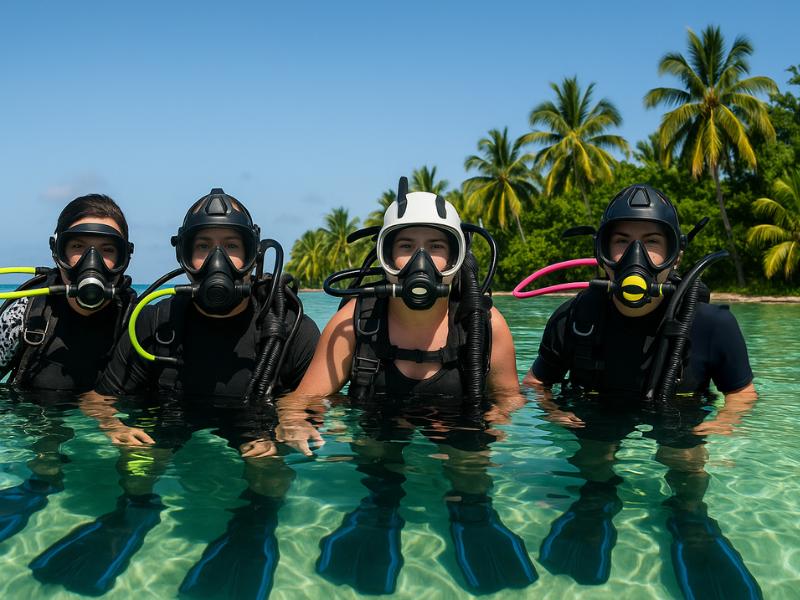
Guided tours: Professional tours provide site knowledge accumulated through thousands of previous trips identifying exactly where turtles rest, eagle rays patrol, and nurse sharks sleep, dramatically improving wildlife encounter rates versus random independent exploration. Equipment included, boat transport to offshore reefs inaccessible from shore, guide supervision ensuring safety, and overall structured experience maximizing marine life encounters within limited trip time. Guides point out camouflaged species beginners miss entirely including flounders, seahorses, and juvenile fish hiding in plain sight, effectively tripling species count compared to self-guided snorkeling same location. Group size and operator quality vary significantly making research essential, with small-group operators delivering genuinely superior personalized experiences versus large cruise-ship-style operations rushing groups through sites.
We’ve mapped out Cozumel snorkeling tours for cruise passengers based on how much time you actually have between docking and all aboard.
Independent snorkeling: Shore entry at select accessible sites enables free or low-cost snorkeling without advance booking requirements, tour schedules, or group dynamics affecting pace and stop decisions. Freedom to explore at personal pace, return to interesting spots repeatedly, and overall self-direct experience appeals to experienced snorkelers comfortable navigating independently and identifying marine life without guide assistance. Budget travelers and spontaneous visitors find independent options valuable for supplementing guided tours rather than replacing them, with shore sessions providing additional snorkeling time beyond scheduled tour departure windows. Weather monitoring and current assessment responsibility falls entirely on independent snorkelers without operator expertise available, requiring honest self-assessment of conditions before entering water.
Best independent sites: Chankanaab Park requires $24 entry fee providing access to calm protected shore snorkeling with facilities, equipment rental, and managed environment making it best independent option for those wanting some support structure without full guided tour commitment. San Francisco Beach offers free shore access along southern hotel zone with genuine reef life including turtles and reef fish within swimming distance, though wildlife density and coral quality prove noticeably lower than offshore boat-access sites. Money Bar Beach Club provides another accessible shore snorkeling option with reef within easy swimming distance from beach, requiring drink or food purchase versus formal entry fee creating casual low-commitment option for spontaneous snorkeling.
Why tours outperform independent: Boat access to Palancar, Columbia, and Santa Rosa reef systems represents primary tour advantage as these world-class sites sit 15-25 minutes offshore completely inaccessible from shore, delivering encounters impossible through any independent approach. Guide expertise identifying specific wildlife, positioning snorkelers optimally for eagle ray passes, and knowing exactly where resident turtles feed creates dramatically different encounter quality versus self-guided exploration hoping to stumble upon highlights. Safety supervision proves critical particularly for beginners or solo travelers where guide presence provides emergency assistance, current management, and overall security impossible when snorkeling independently without companion or professional oversight.
Cost comparison: Guided half-day tours run $45-85 per person including equipment, boat transport, guide services, and multiple site visits, while independent options range from free (San Francisco Beach) to $24 (Chankanaab) plus $15-25 equipment rental totaling $39-49 for independent full-day access. The cost difference of $6-46 additional for guided tours proves minimal against dramatically superior reef access and wildlife encounter quality, with offshore Palancar and Columbia experiences simply impossible through independent approach regardless of budget or experience level.
Practical recommendation: A guided boat tour to Palancar, Columbia, and El Cielo is how most visitors reach the offshore reefs this guide describes; shore entries at Chankanaab and San Francisco Beach work as extras, not as a replacement. Independent snorkeling works as pleasant addition but cannot replace guided tour quality at Cozumel’s best reef sites.
FAQ: Is Cozumel Good for Snorkeling Questions
1. Is Cozumel snorkeling better than diving?
These animals may be encountered in suitable reef habitat, but sightings vary with conditions, location and animal behavior. No measured sighting rate is established here, and a tour name or route does not guarantee an encounter.
2. Can non-swimmers snorkel in Cozumel?
Yes with life vest support making swimming ability essentially unnecessary – all operators provide flotation vests keeping non-swimmers effortlessly at surface throughout entire experience. Chankanaab Park’s calm shallow shore entry proves ideal for non-swimmers wanting gradual comfortable introduction. Inform operators about swimming limitations when booking ensuring appropriate site selection and additional guide attention.
3. How deep is the water for Cozumel snorkeling?
Snorkeling occurs at surface regardless of depth below, with most sites featuring 8-25 feet of water above reef formations. Palancar Wall drops dramatically to 80+ feet visible from surface creating spectacular depth impression though snorkelers remain safely at surface throughout. Site selection determines comfort level with Chankanaab’s 5-15 feet suiting depth-anxious visitors perfectly.
4. Is Cozumel reef healthy?
Generally excellent with CCMA marine park protection since 1996 showing measurable success preserving coral coverage and species diversity. Some historical bleaching affected portions of reef with ongoing recovery visible through juvenile coral recruitment. Overall reef health ranks among Caribbean’s best due to consistent enforcement, no-anchor zones, and reef-safe sunscreen requirements protecting coral from chemical damage.
5. What’s the difference between Cozumel snorkeling sites?
Primary differences involve current strength, depth, wildlife density, and accessibility rather than fundamental quality variations. Chankanaab suits beginners with calm shore entry, Paradise Reef provides mild guided boat access, Palancar Gardens delivers best overall experience, Columbia offers eagle ray specialization, Santa Rosa Wall provides advanced drift excitement. Operator guidance matching sites to skill levels proves essential for optimal experiences.
6. Do I need experience for Cozumel snorkeling?
Zero experience required with right operator and site selection – complete beginners regularly have exceptional first-ever snorkeling experiences at Cozumel. Small-group operators providing proper instruction, life vests, and calm beginner sites enable anyone comfortable in water enjoying world-class encounters. Avoid large groups and advanced drift sites if inexperienced, focusing instead on beginner-appropriate operators specifically experienced teaching nervous first-timers.
7. Is Cozumel snorkeling worth the cost?
Absolutely – $45-85 guided half-day tours delivering possible sea turtles, eagle rays, and nurse sharks alongside 80-100 foot visibility represents exceptional value versus Caribbean alternatives charging similar prices for substantially inferior conditions. Cost comparison versus other world-class snorkeling destinations including Maldives ($150-300) or Palau ($200+) makes Cozumel remarkably affordable for genuinely top-tier quality.
8. How does Cozumel compare to Cancun for snorkeling?
Cozumel dramatically outperforms Cancun with 80-100 foot visibility versus Cancun’s typical 30-50 feet, healthier reef systems versus Cancun’s more degraded nearshore reefs, and consistently superior large wildlife encounters. Cancun offers convenient snorkeling as hotel add-on activity while Cozumel represents destination specifically worth traveling for snorkeling quality. The 45-minute ferry crossing from Playa del Carmen making Cozumel day-trip accessible from Cancun area justifies the additional effort.
Glossary: Cozumel Snorkeling Terms
Mesoamerican Barrier Reef: World’s second largest barrier reef system stretching 600+ miles from Mexico through Belize, Guatemala, and Honduras. Cozumel occupies prime northern position where oceanic circulation maintains exceptional water quality supporting extraordinary 500+ species marine biodiversity.
Drift Snorkeling: Cozumel’s signature experience using natural north-to-south current to carry snorkelers effortlessly along reef walls without swimming effort. Guide supervision manages group flow and current strength, making drift accessible for most swimmers despite initial anxiety about moving water.
Wall Reef: Dramatic reef formation where coral-covered cliff drops vertically from shallow snorkeling depth to 80-130+ feet visible from surface. Palancar and Santa Rosa walls provide Cozumel’s most spectacular vertical landscape experiences unique to this geological reef structure.
Reef-Safe Sunscreen: Chemical-free mineral sunscreen (zinc oxide or titanium dioxide based) required by law within Cozumel’s marine park, as chemical UV filters oxybenzone and octinoxate cause coral bleaching and reproductive damage. Bring reef-safe sunscreen from home as local options prove expensive and limited.
CCMA (Cozumel Marine Park): Coastal Marine Zone Conservation authority managing reef protection regulations since 1996 including no-anchor zones, guide ratios, fishing prohibitions, and sunscreen requirements. Regular enforcement patrols protect reef health from overuse damage, contributing to Cozumel’s consistently superior reef condition versus unprotected Caribbean destinations.
Coral Bleaching: Stress response where corals expel symbiotic algae turning white, caused by elevated water temperatures or chemical pollution. Cozumel experienced historical bleaching events though reef shows strong recovery, with CCMA protections and reef-safe sunscreen requirements minimizing ongoing bleaching risk from visitor impact.
Patch Reef: Isolated shallow coral formations rising from sandy bottom surrounded by open water, typically 5-20 feet deep creating calm beginner-friendly environments. Chankanaab and Paradise Reef represent classic patch reef environments providing excellent wildlife encounters without challenging currents of deeper wall reef systems.
Marine Biodiversity: Variety and abundance of species within marine ecosystem, with Cozumel hosting 500+ fish species plus diverse invertebrates, corals, and large animals. High biodiversity results from Mesoamerican Barrier Reef connectivity, healthy coral habitat, and protected marine park status maintaining ecosystem integrity supporting extraordinary species variety.
Ready to Experience Cozumel’s World-Class Snorkeling?
Cozumel genuinely earns its world-class reputation through consistent 80-100 foot visibility, spectacular Mesoamerican Barrier Reef formations, and possible sea turtle, eagle ray, and nurse shark encounters that Caribbean competitors simply cannot match reliably. The combination of reef quality, water clarity, and marine biodiversity creates experiences that first-time snorkelers and seasoned underwater explorers both describe as career highlights, not marketing exaggeration.
Every skill level finds genuinely rewarding experiences with right site and operator matching – complete beginners thrive at Chankanaab and Paradise Reef under patient small-group guidance, intermediate snorkelers discover world-famous Palancar formations, and advanced swimmers tackle Santa Rosa Wall’s exhilarating drift. The key lies in honest communication about experience level enabling proper site and operator selection.
Compare a 4-hour three-reef boat tour if you want Palancar and Columbia with a guide, or a one-hour coastal snorkel if you prefer a shorter first outing. A one-hour coastal snorkel is the shorter option; the 4-hour turtle sanctuary catamaran is the fuller half-day.
A practical next step is the 3 Reefs boat tour, which visits Palancar, Columbia, and El Cielo with gear included.
From the guides at Cozumel Snorkeling Tours who’ve introduced thousands of snorkelers to these reefs across years of daily operation, consistently witnessing that first underwater moment when visitors realize Cozumel’s reputation isn’t hype – it’s genuinely one of Earth’s most spectacular snorkeling destinations delivering extraordinary experiences for properly prepared visitors at every skill level.