Is Snorkeling in Cozumel Safe?
Travelers researching Cozumel snorkeling encounter wildly conflicting information online, with some sources describing dangerous currents and aggressive
Last updated: March 11, 2026
Travelers researching Cozumel snorkeling encounter wildly conflicting information online, with some sources describing dangerous currents and aggressive marine life while others dismiss every concern with blanket reassurances that everything is perfectly safe for everyone. Neither extreme serves visitors well, because Cozumel snorkeling involves genuine manageable risks requiring honest understanding rather than either frightening exaggeration or dismissive oversimplification that leaves people unprepared for real conditions.
This tool compares formats; it cannot assess health or water safety. Explore ClearBoat Reef Viewing
At Cozumel Snorkeling Tours where our guides manage safety for thousands of snorkelers annually across all experience levels and conditions, we provide realistic safety assessment based on what actually causes problems rather than what sounds scary in online forums. This complete guide covers how Cozumel’s currents actually work and when they become genuinely challenging, which marine life deserves respect versus irrational fear, what equipment failures create real problems, how operator safety standards vary significantly between providers, medical considerations including motion sickness and pre-existing conditions, skill requirements for different sites, and the honest difference between theoretical risks filling safety articles and the practical concerns our guides actually monitor daily on the water.
Is Snorkeling in Cozumel Safe?
Yes for the overwhelming majority of visitors with appropriate site selection, reputable operator choice, and honest personal skill assessment, with Cozumel’s professional snorkeling infrastructure making it genuinely one of the world’s safer destinations for both beginners and experienced snorkelers.
Primary risks: Strong currents at advanced sites like Santa Rosa Wall create genuine challenges for swimmers lacking confidence in moving water, while boat traffic near popular sites requires surface awareness during entries and exits. Sunburn and dehydration cause more actual visitor problems than any marine life encounter, and poor operator safety standards including oversized groups with inadequate supervision create avoidable risk that operator research prevents entirely.
What makes it safe: Professional operators providing life vests to all participants, guide supervision throughout tours managing current conditions and group positioning, world-class flat-water morning conditions most days, and CCMA marine park regulations creating structured safe snorkeling environment. The infrastructure supporting Cozumel’s snorkeling industry operates at considerably higher safety standards than most Caribbean destinations due to volume, competition, and regulatory oversight pushing operators toward consistent professional practices.
Who should exercise caution: Non-swimmers need honest conversations with operators about life vest dependence before booking, visitors with cardiac conditions or severe asthma should consult physicians before saltwater snorkeling, anxiety disorder sufferers may find open water conditions triggering despite calm appearances, and children require direct adult supervision rather than guide supervision substitution. None of these groups face automatic exclusion from Cozumel snorkeling though each warrants specific preparation conversations rather than assuming standard tour formats accommodate all needs identically.
Practical recommendation: Choose reputable small-group operators limiting participants to 6-10 with certified guides, wear life vest without hesitation if any swimming uncertainty exists, and honestly assess current comfort before booking advanced drift sites like Santa Rosa Wall regardless of general swimming competence. These three decisions eliminate the vast majority of actual risk scenarios our guides encounter.
Wondering if it lives up to the hype? Check out our honest take on is Cozumel good for snorkeling – the short answer is yes, but some parts are better than others.
| Site | Current Strength | Beginner Safety | Intermediate Safety | Advanced Safety | Primary Risk Factor |
|---|---|---|---|---|---|
| Chankanaab Park | Very Mild | 10/10 – Excellent | 10/10 | 10/10 | Sea urchins at entry |
| Paradise Reef | Mild | 9/10 – Very Good | 10/10 | 10/10 | Boat traffic awareness |
| Palancar Gardens | Mild-Moderate | 8/10 – Good | 10/10 | 10/10 | Current drift comfort |
| Columbia Reef | Moderate | 6/10 – Caution | 9/10 – Good | 10/10 | Current strength |
| Palancar Wall | Moderate | 5/10 – Not recommended | 9/10 | 10/10 | Depth anxiety, current |
| Santa Rosa Wall | Strong | 3/10 – Avoid | 7/10 – With guide | 10/10 | Strong current, commitment |
| Punta Sur | Very Strong | 2/10 – Avoid | 5/10 – Caution | 8/10 | Unpredictable conditions |
| San Francisco Beach | Mild | 7/10 – Good | 9/10 | 10/10 | Self-assessment required, no guide |
Current and Water Conditions – The Real Risk
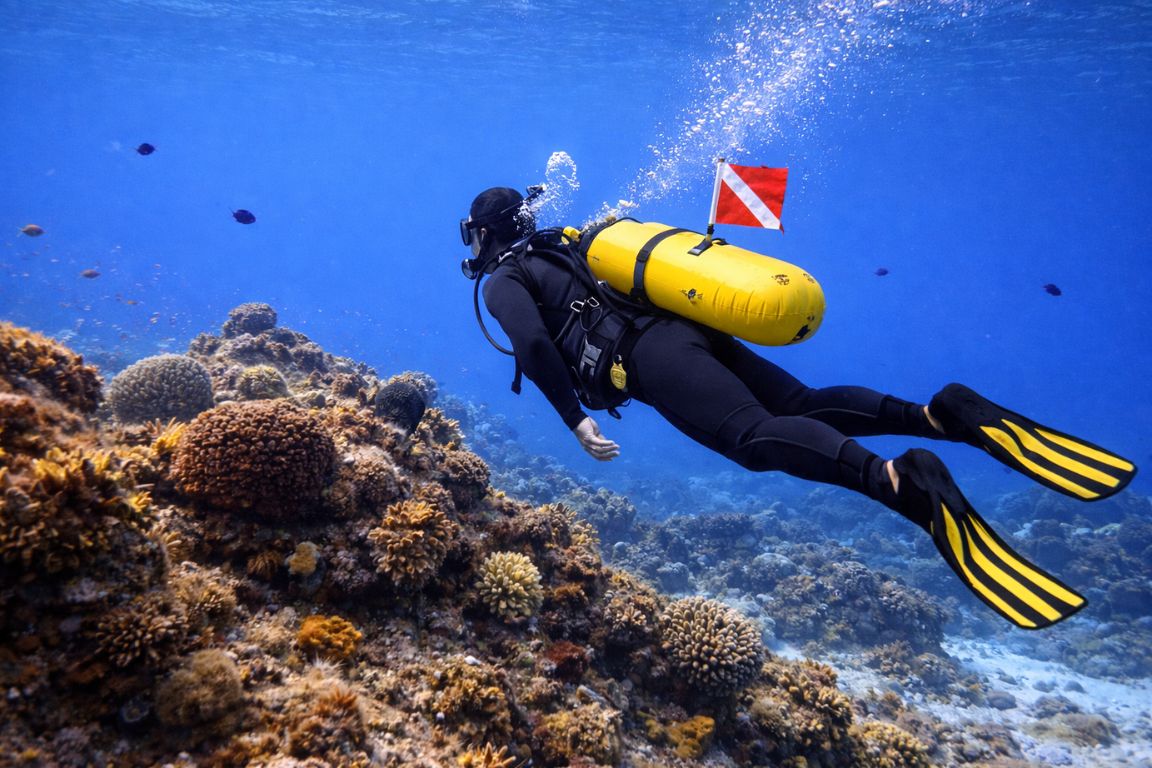
Cozumel’s drift current: North-to-south consistent flow along Cozumel’s western reef systems creates the drift snorkeling experience the destination is famous for, carrying snorkelers effortlessly along reef faces at approximately walking pace when properly managed by experienced guides. The current proves genuinely beneficial at appropriate sites as it moves snorkelers past continuous reef sections without swimming effort, concentrates nutrients supporting the marine life density making Cozumel exceptional, and maintains the water clarity that offshore visibility depends upon. Understanding current as feature rather than hazard represents the fundamental mental shift separating comfortable drift snorkelers from anxious ones fighting the same water movement causing no actual danger.
Site-specific current strength: Chankanaab’s protected cove creates virtually no perceptible current making it appropriate for complete non-swimmers with life vests, while Paradise Reef‘s mild predictable flow suits beginners following guide positioning without resistance concerns. Palancar Gardens shows mild to moderate current manageable for most adult swimmers with basic water comfort, Columbia Reef’s moderate flow between column formations requires genuine swimming confidence, and Santa Rosa Wall’s strong consistent current demands complete comfort surrendering directional control to water movement. Matching current strength to honest personal comfort level determines safety outcomes more decisively than any other single factor in Cozumel snorkeling.
When currents become dangerous: Attempting upstream swimming against moderate or strong current exhausts even strong swimmers quickly, creating fatigue-driven panic spiral where increasing effort produces decreasing progress and rising anxiety. The correct response to unexpected current involves floating calmly and signaling guide rather than fighting water, with panic response transforming manageable drift into genuine emergency through exhaustion rather than actual water danger. Wrong site selection for skill level causes most current-related problems, with beginners accidentally joining advanced drift tours creating situations guides must manage through intervention rather than preventing through appropriate booking.
Norte wind effects: December through February Norte wind events create surface chop affecting boat comfort during transit and making entries and exits more physically demanding, without creating underwater current changes significantly affecting actual snorkeling safety. The surface disruption leads many visitors to incorrectly associate rough boat rides with dangerous underwater conditions, while experienced guides understand the two are largely independent, with sheltered southern sites often delivering calm underwater experiences despite choppy surface conditions affecting the boat journey reaching them. Norte events primarily represent comfort and access concerns rather than genuine underwater safety issues requiring cancellation beyond operator conservative judgment calls.
The season you pick can completely change what you see underwater. This breakdown of the best time to visit Cozumel snorkeling tours shows you exactly what to expect throughout the year.
Rip current reality: Rip currents causing ocean swimming emergencies at beach destinations don’t represent significant hazard at Cozumel’s western reef snorkeling sites, where consistent directional drift current differs fundamentally from the chaotic rip current dynamics affecting open beach swimming. The predictable north-to-south flow allows experienced guides anticipating drift direction, positioning entry and exit points appropriately, and managing group movement without rip current’s unpredictable channel-formation characteristics creating hazardous conditions. Visitors with rip current anxiety from beach swimming experience can genuinely distinguish that concern from Cozumel’s manageable drift current when guides explain the specific differences before entering water.
| Site | Current Type | Strength | Underwater Safety | Beginner Manageable | What Happens If Caught |
|---|---|---|---|---|---|
| Chankanaab | Protected – minimal | 1/10 | Excellent | Yes – non-swimmers fine | Nothing – barely moves |
| Paradise Reef | Gentle drift | 2/10 | Excellent | Yes comfortably | Slow drift, easy guide retrieval |
| Palancar Gardens | Mild drift | 3/10 | Very Good | Yes with guide | Gentle drift, manageable |
| Columbia Reef | Moderate channel flow | 5/10 | Good | Confident swimmers only | Faster drift, guide intervention easy |
| Palancar Wall | Moderate drift | 5/10 | Good | Not recommended | Wall drift, guide correction needed |
| Santa Rosa Wall | Strong committed drift | 8/10 | Good with guide | Not recommended | Full drift commitment, exit planning essential |
| Punta Sur | Strong variable | 9/10 | Moderate – variable | Avoid entirely | Unpredictable, experienced guides essential |
Marine Life Safety – What Actually Poses Risk
Snorkeling involves swimming and carries drowning risk. A flotation aid does not replace swimming ability, close supervision or an operator assessment. Non-swimmers should choose dry boat viewing unless the operator explicitly confirms a suitable supervised program. Stop if distressed and signal the guide for assistance.
Snorkeling involves swimming and carries drowning risk. A flotation aid does not replace swimming ability, close supervision or an operator assessment. Non-swimmers should choose dry boat viewing unless the operator explicitly confirms a suitable supervised program. Stop if distressed and signal the guide for assistance.
Snorkeling involves swimming and carries drowning risk. A flotation aid does not replace swimming ability, close supervision or an operator assessment. Non-swimmers should choose dry boat viewing unless the operator explicitly confirms a suitable supervised program. Stop if distressed and signal the guide for assistance.
Snorkeling involves swimming and carries drowning risk. A flotation aid does not replace swimming ability, close supervision or an operator assessment. Non-swimmers should choose dry boat viewing unless the operator explicitly confirms a suitable supervised program. Stop if distressed and signal the guide for assistance.
Fire coral: Actual physical hazard requiring genuine awareness as contact causes immediate burning sensation and develops into lasting skin rash that prescription treatment sometimes requires for severe exposures. Fire coral appears throughout reef systems in mustard-yellow to brown branching formations easily distinguished from true corals after brief identification instruction, with the universal don’t-touch-anything guideline preventing contact regardless of specific species identification confidence. Surge conditions at certain sites occasionally push snorkelers toward reef surfaces, making buoyancy management and awareness of surrounding formations important particularly during current transitions or wave effects near shallower reef sections.
Sea urchins: Shore entry sites including Chankanaab and San Francisco Beach harbor black spiny urchins in rocky areas near water entry points, creating foot puncture risk for snorkelers entering and exiting water without appropriate footwear. Water shoes or fins worn from shore through entry zones eliminate this specific hazard entirely, with urchin injuries at offshore boat-access sites essentially nonexistent as entries occur from boat platforms over open water away from rocky substrate. The specific shore entry concern makes footwear recommendation important for Chankanaab visitors particularly, where shallow rocky areas near beach entry concentrate urchin populations in the exact zones where bare feet touch bottom.
Want to know what to look for before you get in the water? Our guide to the marine life in Cozumel snorkeling tours covers everything from turtles to eagle rays to reef fish.
| Species | Actual Danger Level | Typical Behavior | Avoidance | Injury Likelihood |
|---|---|---|---|---|
| Nurse Sharks | None – 1/10 | Resting motionless, ignore snorkelers | Don’t touch, maintain respect | Effectively zero in snorkeling history |
| Moray Eels | Very Low – 2/10 | Inside crevices, visible heads only | Never insert fingers in reef holes | Only through deliberate provocation |
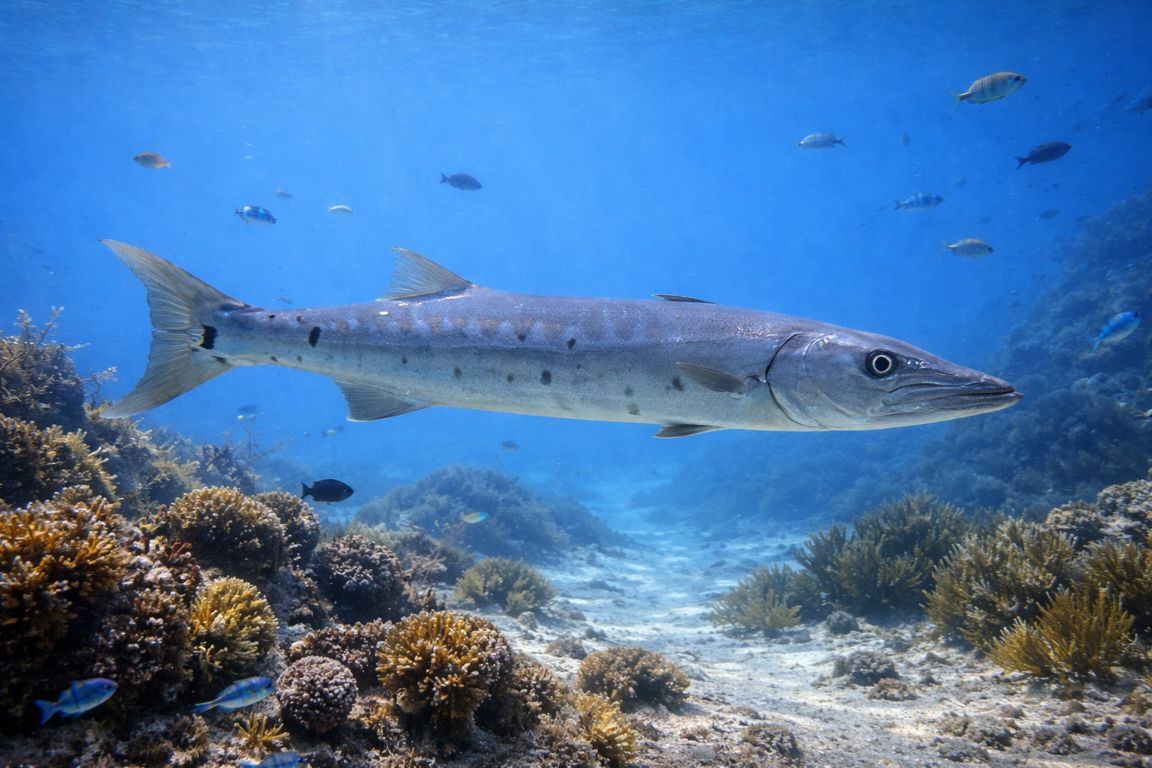
| Barracuda | Very Low – 2/10 | Hovering, observing, non-aggressive | Remove shiny jewelry before entry | Essentially zero unprovoked incidents |
| Eagle Rays | None – 1/10 | Swimming past, completely non-aggressive | Simply observe from comfortable distance | Zero documented snorkeler incidents |
| Fire Coral | Moderate – 5/10 | Stationary – contact hazard only | Don’t touch anything, learn identification | Common if touching reef, zero if hands-off |
| Sea Urchins | Low-Moderate – 4/10 | Stationary in rocky zones | Water shoes for shore entry, avoid rocky areas | Shore entry specific, boat tours essentially zero |
| Reef Sharks | Very Low – 2/10 | Distant patrol, avoid human proximity | No feeding, no sudden movements | Effectively zero documented incidents |
| Jellyfish | Low – 3/10 | Seasonal, variable presence | Guide awareness, avoid contact | Occasional mild stings, serious reactions rare |
Operator Safety Standards – Choosing Safe Tours
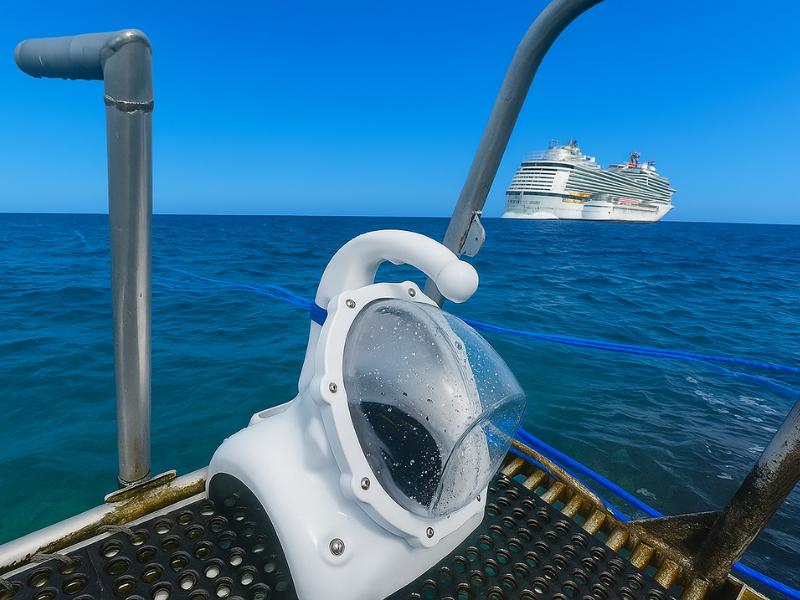
Life vest availability: All reputable Cozumel snorkeling operators provide life vests as standard equipment for every participant regardless of swimming ability, with quality operators making vest usage genuinely optional for confident swimmers rather than pressuring vest removal to appear more professional. Non-swimmers should confirm vest availability explicitly when booking and communicate their requirement clearly before departure, ensuring operators assign appropriately buoyant vests rather than thin decorative versions providing minimal actual flotation. The presence or absence of readily available properly fitted vests represents one of the quickest quality indicators distinguishing safety-conscious operators from those cutting corners on equipment maintenance and participant protection.
Guide-to-snorkeler ratios: One guide per 6-8 snorkelers represents responsible supervision enabling genuine individual monitoring throughout tours, while ratios exceeding 1:12 create situations where guides cannot realistically track all participants simultaneously in dynamic open water environments. The difference between 8-person and 20-person groups proves dramatic in emergency response capability, as a guide managing 8 snorkelers can reach any participant within seconds while the same guide managing 20 faces physically impossible response times if multiple participants require simultaneous attention. Research group size limits explicitly before booking rather than discovering oversized groups at the pier, asking operators directly about maximum participant numbers per guide rather than total boat capacity figures they prefer quoting.
Boat safety equipment: Coast Guard compliant vessels carry minimum first aid kits, emergency oxygen for serious incidents, radio communication with coast guard and harbor authorities, and throwable flotation devices for overboard emergencies. Oxygen availability proves particularly important as it’s the primary first response for serious snorkeling incidents before emergency medical evacuation, with quality operators maintaining certified oxygen equipment rather than treating it as unnecessary expense for snorkeling operations. Ask operators specifically about oxygen availability and first aid certification before booking if safety equipment standards matter to your risk assessment, with honest operators welcoming these questions while evasive responses reveal inadequate preparation.
Not sure if the boat is worth the extra cost? Here’s our comparison of shore snorkeling vs boat snorkeling in Cozumel tours – when each one makes sense and when it doesn’t.
Recommended tours
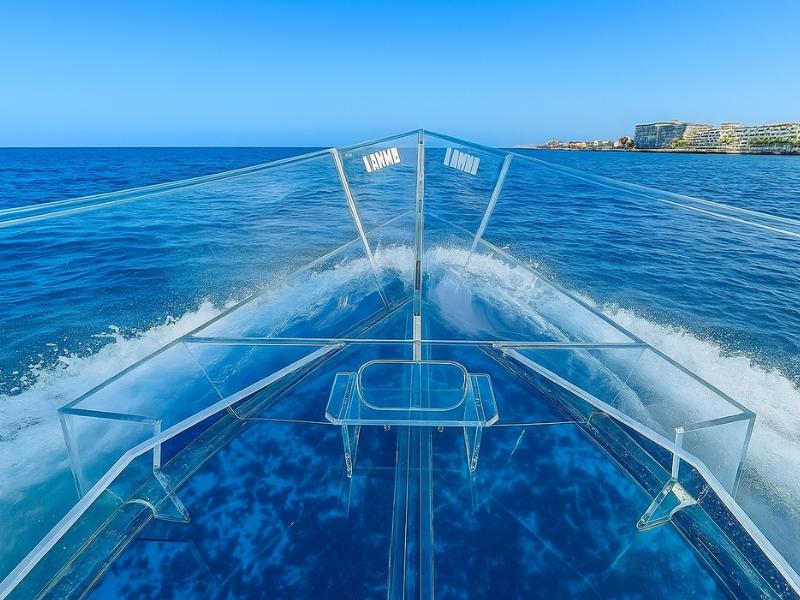
Invisible Boat Cozumel Snorkeling Adventure Tour
95 minutes. Transparent boat, guided snorkel stop, gear, water and sodas. Meet at Plaza Villamar opposite the ferry station.
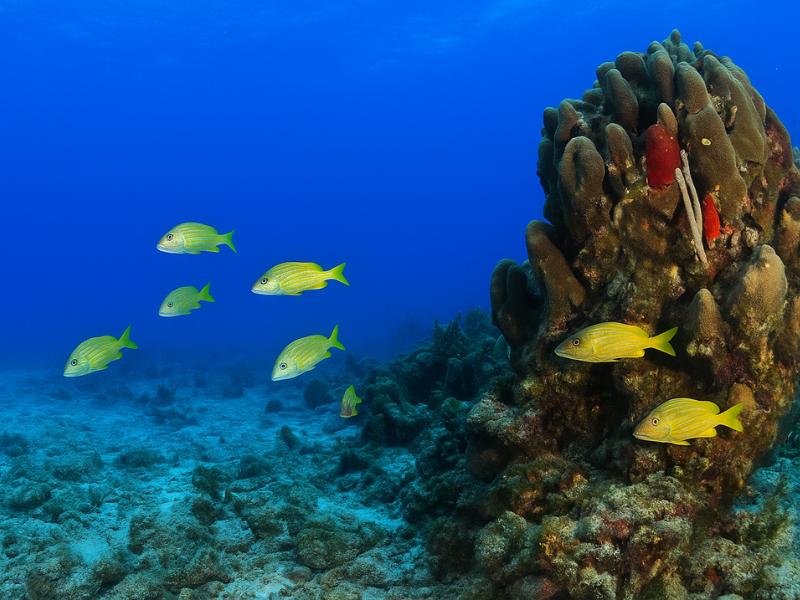
Chivis Del Mar: Coastal Snorkel Tour in Cozumel
90-minute coastal glass-bottom boat itinerary listing Dzul-Ha and Paradise reefs, with English/Spanish guide and snorkeling equipment. Meet at Chivis Del Mar, Caleta Harbor; transfers are separate.
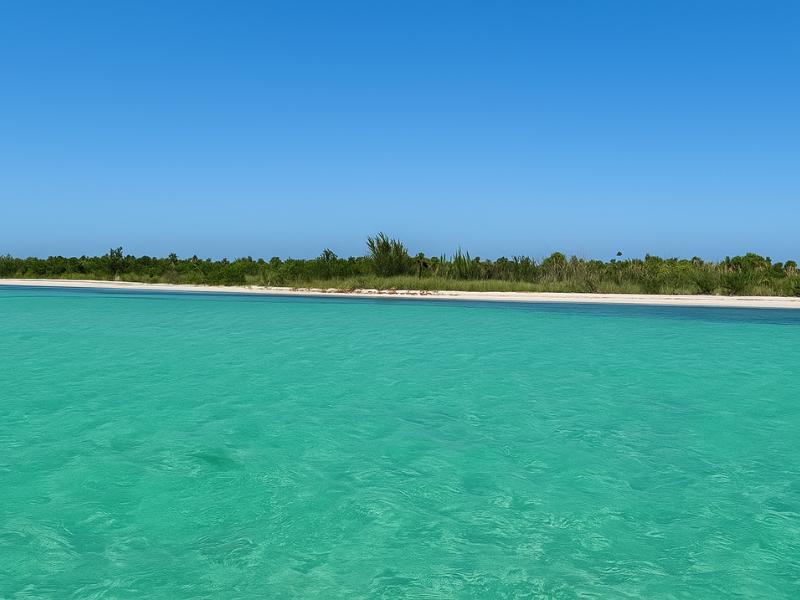
3 Reefs Cozumel Boat Tour with Snorkeling & Drinks
4 hours to Palancar, Columbia and El Cielo. English guide, gear, snack and drinks. Meet at Marina ASIPONA 15 minutes early; marine fee extra.
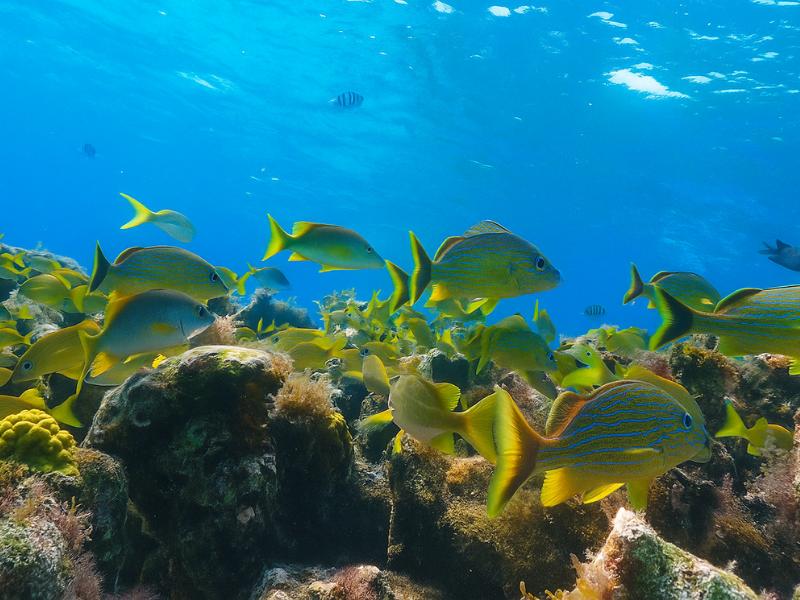
Turtle Sanctuary Luxury Catamaran Experience in Cozumel (4 Hours)
4-hour catamaran visiting the turtle sanctuary, El Cielo and El Cielito. Gear, fruit, ceviche, drinks and onboard bathroom included.
Guide qualifications: Certified first aid training and water rescue qualification represent minimum professional standards for guides supervising snorkelers in open water, with quality operators requiring ongoing certification renewal rather than treating initial training as permanent qualification. Emergency response protocol knowledge including how to manage panicking snorkelers, coordinate coast guard communication, and administer basic first aid until professional medical help arrives distinguishes trained professionals from boat drivers with minimal safety preparation. The difference matters most in the rare scenarios requiring emergency response, where trained guide reaction in first minutes determines outcomes that casual operators with inadequate training handle poorly.
Insurance considerations: Reputable operators carry liability insurance covering participant injuries during tours, though travelers’ personal travel insurance providing emergency medical evacuation coverage proves equally important given Cozumel’s limited hospital facilities requiring Cancun or mainland Mexico evacuation for serious incidents. Travel insurance costing $50-100 per trip eliminates the $10,000-50,000 emergency evacuation expense that uninsured serious incidents create, representing genuine risk management rather than unnecessary expense for healthy visitors. Confirm operator liability insurance when booking and purchase personal travel insurance with medical evacuation coverage regardless of operator insurance status.
| Safety Feature | Reputable Operator | Average Operator | Questionable Operator |
|---|---|---|---|
| Life Vests | Quality fitted vests, all sizes | Standard vests available | Minimal, poor condition |
| Guide Ratio | 1:6-8 maximum | 1:10-12 typical | 1:15-20+ common |
| First Aid Kit | Comprehensive, current | Basic kit | Minimal or absent |
| Emergency Oxygen | Certified equipment aboard | Sometimes available | Rarely present |
| Radio Communication | Coast guard channel monitored | Basic radio | Cell phone only |
| Guide Certification | First aid + water rescue current | Basic first aid | Informal training only |
| Liability Insurance | Full coverage verified | Basic coverage | Unknown or absent |
| Emergency Protocol | Written procedures, practiced | General awareness | Improvised response |
| Overall Safety Rating | 9-10/10 | 6-7/10 | 3-4/10 |
Medical Conditions and Snorkeling Safety
Heart conditions: Snorkeling involves meaningful cardiovascular exertion through sustained swimming, current management, and occasional breath-holding activity that elevates heart rate beyond typical resting levels, making physician consultation genuinely important for visitors with diagnosed cardiac conditions rather than precautionary formality. Cold water contact, physical exertion, and occasional mild anxiety responses create cardiac demands that well-managed stable conditions typically handle without incident though specific activity clearance from treating physician provides important individualized guidance. Inform guides about cardiac history before tours so they monitor your activity level and recognize early fatigue signs suggesting rest before exertion reaches concerning levels.
Asthma: Generally manageable for snorkeling with appropriate preparation including carrying rescue inhaler accessible on boat throughout tour, informing guide about condition before departure, and honestly assessing whether cold water breathing through snorkel tube creates bronchial response in your specific case history. Snorkeling’s requirement to breathe through mouth-only tube creates different airway dynamics than normal breathing that some asthmatic individuals find straightforward while others find restrictive enough triggering mild wheeze warranting genuine caution. Surface snorkeling avoids the pressure changes affecting divers significantly, making asthma management substantially simpler for snorkelers than certified divers with similar diagnoses.
Ear conditions: Surface snorkeling creates minimal pressure changes compared to diving, with most ear conditions including perforated eardrums, ear infections, and tube placements creating more concern for diving than snorkeling’s surface-level water exposure. Active ear infections warrant postponing water activities entirely as saltwater contact worsens infections despite not creating the pressure equalization challenges affecting diving participants. Visitors with ear tube concerns should seek specific physician guidance as individual variation in tube types and conditions creates different water exposure implications requiring case-by-case assessment rather than universal snorkeling restrictions.
Anxiety and panic: The most common actual safety incident in Cozumel snorkeling involves anxiety responses to open water, equipment discomfort, or current sensations triggering rapid breathing that empties snorkel tubes with water, escalating the anxiety rather than resolving it through controlled response. Controlled breathing technique practice at water surface before heading to reef represents the most effective anxiety prevention, with guides spending additional time with anxious participants establishing comfortable breathing rhythm before moving to deeper or more active reef sections. Previous positive snorkeling experiences don’t guarantee anxiety-free responses in Cozumel’s more dynamic conditions, making honest current-day anxiety assessment more relevant than historical snorkeling history.
Practical recommendation: Consult your treating physician about snorkeling specifically for any cardiac condition, respiratory diagnosis, recent surgery, seizure history, or medication affecting circulation or consciousness before booking, as these conditions create variable risk profiles requiring individualized guidance rather than general online safety information. Most conditions allow snorkeling with appropriate modifications and operator communication, making physician consultation an enabling step rather than expected prohibition.
A tour selector cannot determine medical fitness. Discuss relevant health concerns with a clinician and the operator before choosing water activities.
Non-Swimmer Safety in Cozumel
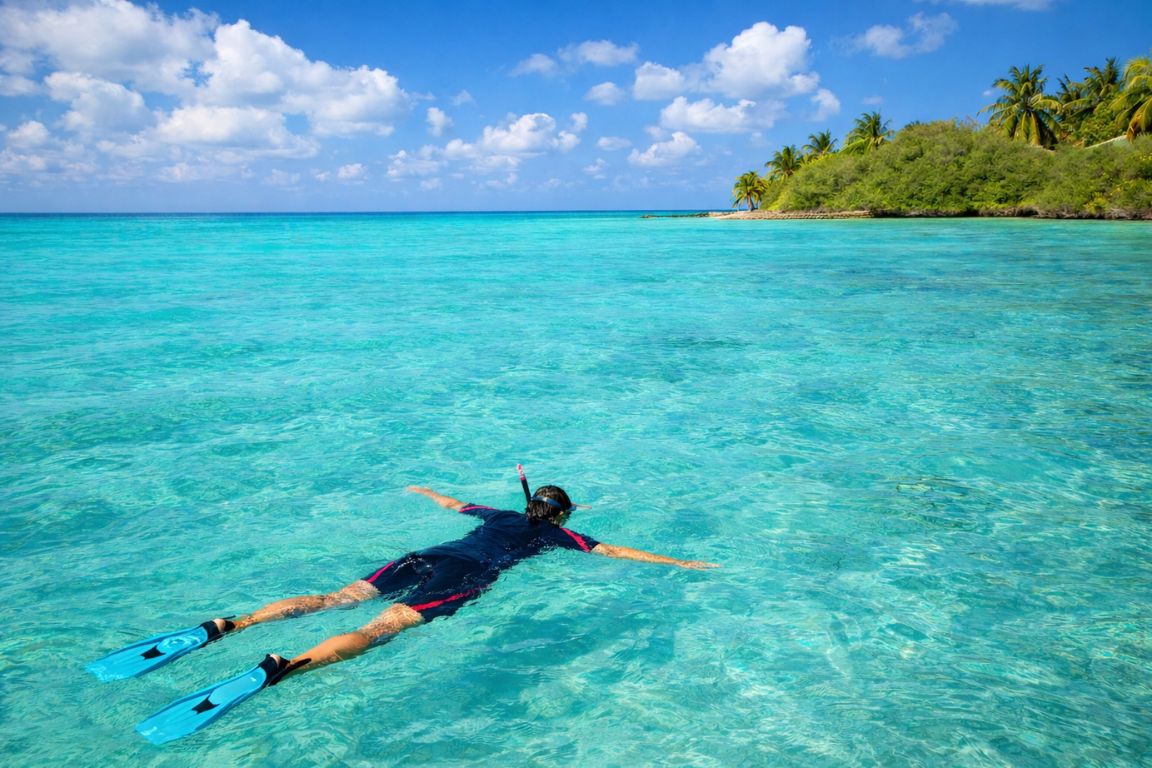
Snorkeling involves swimming and carries drowning risk. A flotation aid does not replace swimming ability, close supervision or an operator assessment. Non-swimmers should choose dry boat viewing unless the operator explicitly confirms a suitable supervised program. Stop if distressed and signal the guide for assistance.
Chankanaab offers shore access, but its snorkeling area includes water too deep to stand in and rocky or stepped entries. Confirm the exact entry, conditions, supervision and accessibility before entering. Park admission alone does not establish suitability for a child or non-swimmer.
Guided boat tour safety for non-swimmers: Experienced guides specifically accommodate non-swimmers by ensuring proper vest fitting before departure, positioning non-swimmers near boat during site visits for easy assisted return if needed, and providing additional reassurance during initial water entry establishing comfort with open water floating. The guide’s physical presence alongside nervous non-swimmers during first minutes of open water floating provides both practical safety and psychological reassurance that transforms potentially overwhelming experiences into manageable confidence-building progressions. Inform operators about non-swimming status when booking rather than mentioning it at the pier, allowing operators assigning guides specifically experienced with non-swimmer accommodation rather than discovering the need mid-tour.
Illinois teacher who had never swum in open water completed Palancar Gardens tour in life vest describing it as “the least physically demanding water experience I’ve ever had,” specifically noting that the vest kept her effortlessly at surface while the underwater wildlife completely replaced her usual water anxiety with genuine fascination within the first five minutes of the tour.
We’ve covered snorkeling for non-swimmers in Cozumel snorkeling tours in detail so you know exactly what accommodations are available and which operators handle it best.
Child Safety for Snorkeling in Cozumel
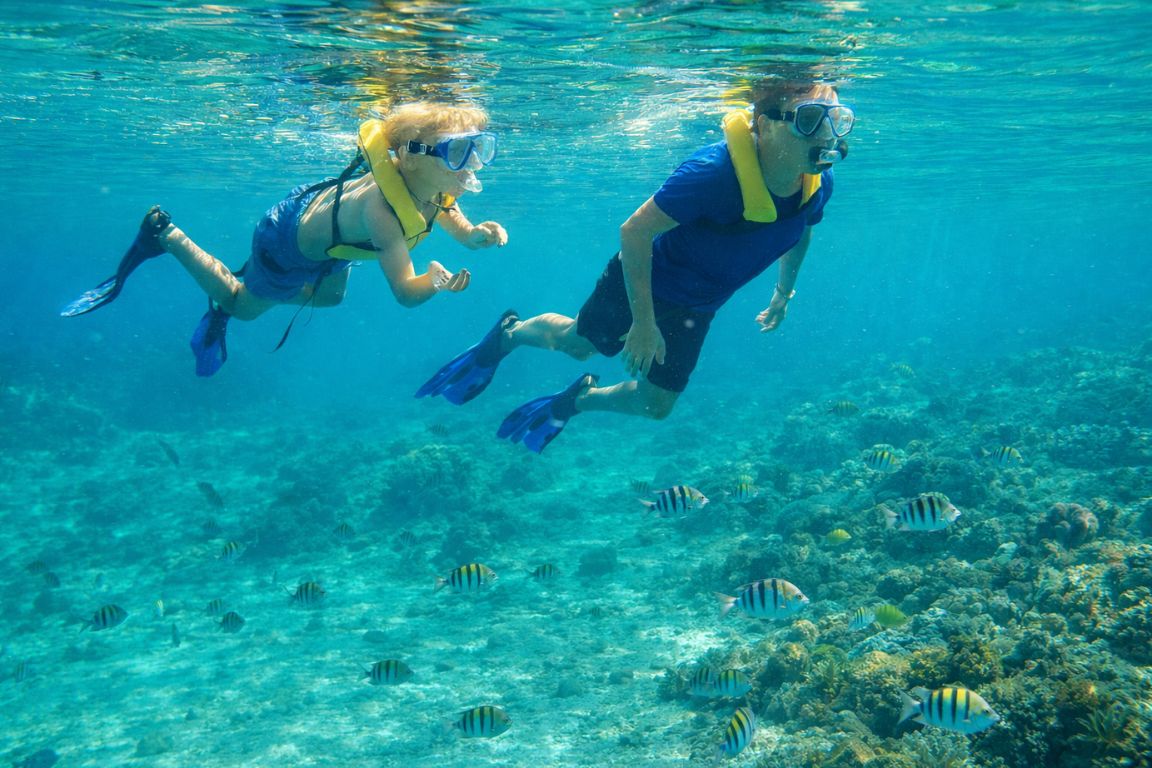
Minimum age considerations: No universal minimum age applies as individual child factors including water comfort, ability following instructions, physical stamina, and emotional maturity for open water environments matter more than chronological age in determining snorkeling readiness. A confident swimming 5-year-old with beach experience may handle guided tours better than an anxious non-swimming 9-year-old, making parents the appropriate judges of individual readiness rather than operators applying rigid age cutoffs. Factors worth honestly assessing include whether the child follows adult instructions consistently under excitement, tolerates equipment discomfort without immediate removal, handles unexpected water splashing without panic, and shows genuine interest rather than reluctant compliance with parental enthusiasm.
Recommended minimum age: Six years represents practical guided boat tour minimum for most children, with younger children better served by supervised shore snorkeling at Chankanaab where immediate shallow water exit remains available throughout. Children under four face mask fitting challenges as child sizes still prove too large for toddler faces, creating equipment failure risks that compromise both safety and experience quality regardless of parental supervision intensity. Teenagers handle all Cozumel snorkeling formats comfortably with normal adult operator supervision, while the 6-12 range requires honest individual assessment with parental judgment outweighing operator recommendations for specific children parents know well.
Child-specific equipment: Properly fitted child masks proving genuinely watertight represent the single most important child safety equipment factor, as adult masks on small faces leak constantly creating water inhalation anxiety that ruins experiences and creates panic responses requiring guide intervention. Quality operators carry genuine child-sized equipment though confirming availability when booking prevents pier-side discovery that available child masks fit poorly, with bringing personal fitted child masks eliminating this risk entirely for families with regular young snorkelers. Child-appropriate life vests sized for actual body weight rather than adult vests tightened with straps provide proper flotation that oversized vests don’t deliver despite appearing secure during shore fitting.
If you’re planning a family trip, here’s the honest take on snorkeling with kids in Cozumel tours based on what works and what parents consistently get wrong.
| Child Age | Shore Snorkeling | Guided Boat Tour | Advanced Sites | Supervision Required | Overall Readiness |
|---|---|---|---|---|---|
| Under 4 | Shore with parent in water | Not recommended | Not recommended | Parent in water | Shore only with parent |
| 4-5 years | Good with parent nearby | Caution – assess individual | Not recommended | Direct parent supervision | Shore primary, boat case-by-case |
| 6-8 years | Excellent | Good – beginner sites only | Not recommended | Guide + parent awareness | Paradise Reef, Chankanaab suitable |
| 9-12 years | Excellent | Very Good – most sites | Palancar with guide | Guide supervision adequate | Most sites appropriate |
| 13+ years | Excellent | Excellent – all standard sites | With guide assessment | Standard guide supervision | Full adult treatment |
Sun, Heat, and Dehydration Safety
Sunburn risk: Face-down snorkeling position exposes entire back, shoulders, and back of legs to direct Caribbean sun for sustained periods without the movement-based sun awareness that beach activities provide, creating burning conditions that advance far faster than most visitors anticipate from previous sun exposure experience. Thirty minutes face-down snorkeling in Caribbean midday sun delivers enough UV exposure causing serious burns in unprotected fair-skinned individuals, with the cooling water sensation masking developing burn until post-tour when significant damage has already occurred without any discomfort warning during activity. The back-of-neck and shoulder areas receive concentrated exposure through water’s additional UV reflection amplifying direct sunlight effects, making these areas priority coverage zones beyond general body protection.
Reef-safe sunscreen: Mineral-based reef-safe sunscreen using zinc oxide or titanium dioxide represents both legal requirement within Cozumel’s marine park and genuine burn prevention necessity, with chemical UV filters including oxybenzone banned throughout protected waters for documented coral reef damage. Apply thoroughly 20-30 minutes before water entry allowing absorption rather than immediate water washing, with reapplication after extended surface intervals between snorkeling sites maintaining protection throughout multi-site tours. Bring reef-safe sunscreen from home as Cozumel’s tourist area prices run $20-35 per bottle for limited retail options, with US and Canadian drugstores offering wider selection at lower prices than pier-area vendors capitalizing on unprepared arrivals.
Dehydration: Hot humid Caribbean conditions combined with saltwater exposure and sustained physical activity create dehydration rates significantly exceeding typical land activity expectations, with snorkelers losing fluids through perspiration during surface intervals and boat travel without recognizing thirst signals masked by ambient moisture. Minimum two liters water consumption throughout snorkeling tour day proves genuinely important rather than conservative suggestion, with operators providing water on boats though quantities often insufficient for full hydration needs during warm season months. Alcohol consumption before or during snorkeling days dramatically accelerates dehydration while impairing the judgment and physical coordination that safe snorkeling requires, making morning tour alcohol avoidance both safety and comfort recommendation.
Heat exhaustion signs: Dizziness, nausea, unusual weakness, headache, and pale clammy skin during or after snorkeling indicate heat exhaustion requiring immediate shade, horizontal rest position, and steady fluid replacement before considering any further water activity. Guides trained in heat illness recognition monitor participants during surface intervals for these signs, though individuals knowing their own heat sensitivity should proactively communicate concerns rather than waiting for guide observation to initiate rest responses. Heat exhaustion progresses to heat stroke when ignored or when individuals push through symptoms, creating medical emergencies requiring professional treatment and potentially evacuation that appropriate early rest prevents entirely.
Practical recommendation: Rashguard worn throughout snorkeling provides sun protection superior to any sunscreen application while eliminating reapplication concerns, water wash-off vulnerability, and reef contamination risk from chemical sunscreen alternatives. Combining rashguard with reef-safe sunscreen on exposed face, hands, and feet, plus minimum two liters water consumption throughout the day, eliminates sun and dehydration as significant safety concerns without meaningful cost or inconvenience.
FAQ: Cozumel Snorkeling Safety Questions
1. Is snorkeling in Cozumel dangerous?
No more dangerous than snorkeling anywhere with proper preparation, operator selection, and honest skill assessment. The primary risks involve current comfort at advanced sites and sunburn rather than marine life, with thousands of beginners completing safe enjoyable trips daily.
2. Are there sharks in Cozumel that are dangerous to snorkelers?
Snorkeling involves swimming and carries drowning risk. A flotation aid does not replace swimming ability, close supervision or an operator assessment. Non-swimmers should choose dry boat viewing unless the operator explicitly confirms a suitable supervised program. Stop if distressed and signal the guide for assistance.
3. How strong are the currents in Cozumel?
Varies dramatically by site from virtually nonexistent at Chankanaab to strong committed drift at Santa Rosa Wall. Matching site selection to honest current comfort level eliminates this risk entirely, with guides managing group positioning throughout tours at appropriate sites.
4. Can non-swimmers snorkel safely in Cozumel?
Snorkeling involves swimming and carries drowning risk. A flotation aid does not replace swimming ability, close supervision or an operator assessment. Non-swimmers should choose dry boat viewing unless the operator explicitly confirms a suitable supervised program. Stop if distressed and signal the guide for assistance.
5. What’s the most common snorkeling injury in Cozumel?
Sunburn by considerable margin, caused by sustained face-down position exposing back to Caribbean sun without normal movement-based awareness. Rashguard plus reef-safe sunscreen prevents this entirely, making it the most common yet most easily avoided snorkeling health issue.
6. Is it safe to snorkel alone in Cozumel?
Chankanaab offers shore access, but its snorkeling area includes water too deep to stand in and rocky or stepped entries. Confirm the exact entry, conditions, supervision and accessibility before entering. Park admission alone does not establish suitability for a child or non-swimmer.
7. What should I do if I panic while snorkeling?
Stop immediately, roll to back floating position, breathe normally looking at sky rather than attempting to continue face-down. Signal guide by raising fist, rest completely until calm returns, then decide whether continuing feels manageable or returning to boat serves better.
8. Do I need travel insurance for Cozumel snorkeling?
Strongly recommended given Cozumel’s limited hospital facilities requiring Cancun or mainland evacuation for serious incidents costing $10,000-50,000 uninsured. Comprehensive travel insurance with medical evacuation coverage costs $50-100 per trip, representing genuine risk management rather than unnecessary expense.
Glossary: Cozumel Snorkeling Safety Terms
Drift Current / Drift Snorkeling Safety: North-to-south consistent water flow carrying snorkelers along reef systems without swimming effort. Safe when matched to appropriate skill level with guide supervision, dangerous when beginners attempt advanced drift sites or panic responses lead to exhausting upstream resistance.
Snorkeling involves swimming and carries drowning risk. A flotation aid does not replace swimming ability, close supervision or an operator assessment. Non-swimmers should choose dry boat viewing unless the operator explicitly confirms a suitable supervised program. Stop if distressed and signal the guide for assistance.
Guide-to-Snorkeler Ratio: Number of participants per supervising guide determining emergency response capability and individual monitoring quality. Ratios of 1:6-8 enable genuine safety supervision while ratios exceeding 1:15 create situations where guides cannot realistically monitor all participants simultaneously.
Fire Coral: Mustard-yellow branching reef formations causing immediate burning skin reaction on contact, the primary reef-contact hazard at Cozumel sites. Universal don’t-touch-anything guideline prevents exposure entirely regardless of species identification confidence level.
Hyperbaric Chamber: Pressurized medical facility treating decompression sickness primarily affecting divers rather than snorkelers. Cozumel has hyperbaric facilities demonstrating island’s serious medical infrastructure for water activity injuries, though surface snorkeling pressure changes rarely create conditions requiring this treatment.
Reef-Safe Snorkeling Behavior: Behavioral practices protecting both reef health and snorkeler safety including no touching marine life, maintaining fin clearance above coral formations, no feeding animals, and staying with guide group throughout tour. These behaviors prevent both environmental damage and the provocations that create the rare instances where normally docile marine life responds defensively.
Emergency Response Protocol: Operator procedures for managing snorkeling emergencies including panicking participants, injuries, medical incidents, and missing persons, covering coast guard communication, oxygen administration, and evacuation coordination. Reputable operators maintain written practiced protocols distinguishing professional safety operations from informal operators improvising responses to rare emergency situations.
Ready to Snorkel Cozumel Safely?
Cozumel snorkeling proves genuinely safe for the overwhelming majority of visitors when approached with appropriate preparation, honest skill assessment, and reputable operator selection. The real risks involve sunburn, dehydration, and wrong site selection for skill level rather than the marine life dangers filling online forum discussions, with proper preparation reducing these manageable concerns to essentially negligible levels.
Before every departure, run through this practical checklist: life vest confirmed available if any swimming uncertainty exists, reputable small-group operator with verified safety equipment booked, personal skill level honestly matched to site difficulty, rashguard and reef-safe sunscreen applied before boarding, and minimum two liters water packed for the day. These five steps address virtually every realistic safety scenario our guides encounter.
Thousands of snorkelers including complete beginners, non-swimmers, anxious first-timers, and elderly visitors complete safe enjoyable Cozumel trips daily without incident, because the combination of professional infrastructure, world-class conditions, and abundant wildlife creates an environment where proper preparation makes excellent outcomes the overwhelming norm rather than lucky exception.
If you have medical conditions, swimming limitations, or anxiety about open water, start with a guided 4-hour reef tour that lists all skill levels and included gear, then read the operator’s vest and group-size details before you book.
Compare a guided 4-hour reef tour that includes gear and lists all skill levels, then confirm group size and safety equipment on the operator page.
From the guides at Cozumel Snorkeling Tours who treat every departure safety briefing as the most important five minutes of each tour, because the thousands of incident-free trips we’ve completed reflect deliberate preparation rather than good fortune, and because the underwater experiences waiting at Palancar and Columbia deserve the proper foundation that makes them genuinely enjoyable rather than anxiously survived.