Snorkeling with Kids in Cozumel
Planning Cozumel snorkeling with kids but worried it could turn into a stressful (and expensive) mistake? We share honest, family-tested advice on age readiness, safest sites, shore vs. boat tours, child-sized gear, and what actually keeps kids calm, engaged, and excited to snorkel again tomorrow.
Last updated: March 11, 2026
Parents planning Cozumel snorkeling face a particular kind of uncertainty that solo travelers don’t – wondering whether children will actually enjoy it, whether the sites are genuinely safe for young swimmers, and whether investing in family boat tours makes sense before knowing if their specific kids will tolerate snorkel equipment for longer than three minutes. The fear of spending significant money on a tour where one child panics, another refuses to put their face in the water, and the whole experience becomes a stressful memory rather than a joyful one is completely reasonable.
Age bands are a first filter; confirm water readiness, supervision and equipment sizes. Explore ClearBoat Reef Viewing
At Cozumel Snorkeling Tours where we’ve led hundreds of family departures across every age and confidence combination imaginable, we provide honest family-focused guidance built on what actually works rather than reassurances that children universally love snorkeling. This guide covers genuine age readiness indicators that matter more than birthdays, which specific sites suit different family configurations, how to choose operators with actual child equipment rather than adult gear jury-rigged smaller, shore versus boat decisions for different age groups, equipment that makes or breaks young snorkelers’ experiences, and practical strategies keeping children engaged, safe, and asking to come back tomorrow.
Is Cozumel Good for Snorkeling with Kids?
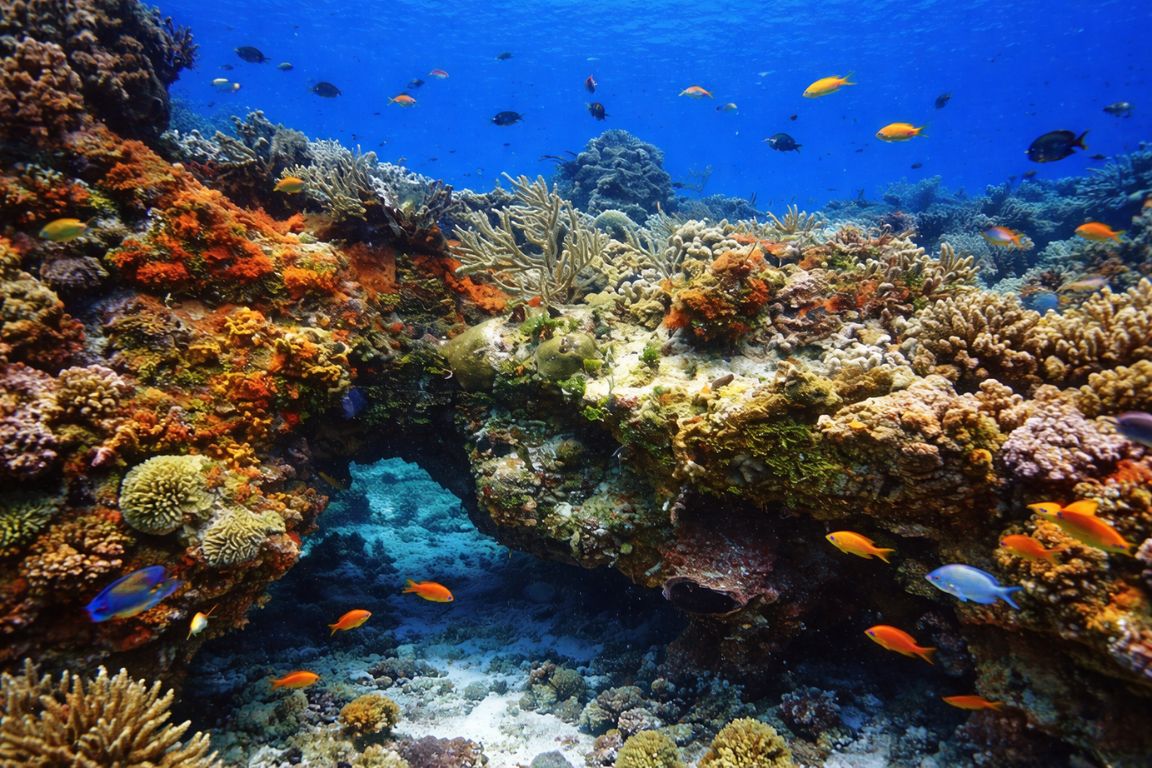
Excellent family snorkeling destination with calm western shore sites, abundant wildlife producing genuine child excitement, and beginner-appropriate options covering every age from toddlers wading at Chankanaab through teenagers ready for Palancar Gardens‘ world-class reef encounters.
Age reality: No universal minimum age applies because individual readiness factors including water comfort, instruction-following ability, and genuine interest matter far more than birthdays in determining whether specific children will enjoy rather than endure snorkeling experiences. A confident water-comfortable 5-year-old often outperforms an anxious 9-year-old in snorkeling readiness, making honest child-specific assessment more valuable than age cutoffs that don’t account for individual variation.
Chankanaab offers shore access, but its snorkeling area includes water too deep to stand in and rocky or stepped entries. Confirm the exact entry, conditions, supervision and accessibility before entering. Park admission alone does not establish suitability for a child or non-swimmer.
What kids actually see: Sea turtles approaching within arm’s length, parrotfish in electric colors, nurse sharks resting visibly under ledges, and Nemo-recognizable clownfish relatives creating instant engagement for children who’ve seen Finding Nemo more times than their parents can count. The wildlife encounters aren’t adult-manufactured enthusiasm requiring children to pretend excitement – animals appear close enough and frequently enough that genuine child reactions including underwater squealing through snorkels happen regularly enough that guides anticipate and enjoy them.
Practical recommendation: Spend one morning at Chankanaab observing whether your specific children show genuine fascination or restless disinterest before booking boat tours for the following day, as this low-cost test session reveals whether individual children are ready for offshore snorkeling investment or need another year of water confidence development first. Most children who enjoy Chankanaab genuinely want the boat tour the next morning.
We’ve answered the question is Cozumel good for snorkeling with details on reef conditions, marine life, and how it stacks up against other Caribbean destinations.
| Age Group | Recommended Format | Best Site | Supervision Level | Wildlife Expectations | Cost Notes |
|---|---|---|---|---|---|
| Under 4 | Shore wading only | Chankanaab shallow | Parent in water at all times | Reef fish, occasional turtle | Free-$24 entry only |
| Ages 4-5 | Shore snorkeling | Chankanaab | Direct parent beside child | Fish, turtles with luck | Reduced child entry |
| Ages 6-8 | Guided boat tour beginner | Paradise Reef, Chankanaab | Guide + parent awareness | These animals may be encountered in suitable reef habitat, but sightings vary with conditions, location and animal behavior. No measured sighting rate is established here, and a tour name or route does not guarantee an encounter. | Most operators reduced rate |
| Ages 9-12 | Guided boat tour standard | Paradise, Palancar Gardens | Guide supervision adequate | Full wildlife portfolio | Standard or reduced rate |
| Teens 13+ | All standard formats | All sites including Palancar | Standard guide supervision | Complete experience | Adult pricing typically |
Age Readiness – Honest Assessment Over Arbitrary Minimums
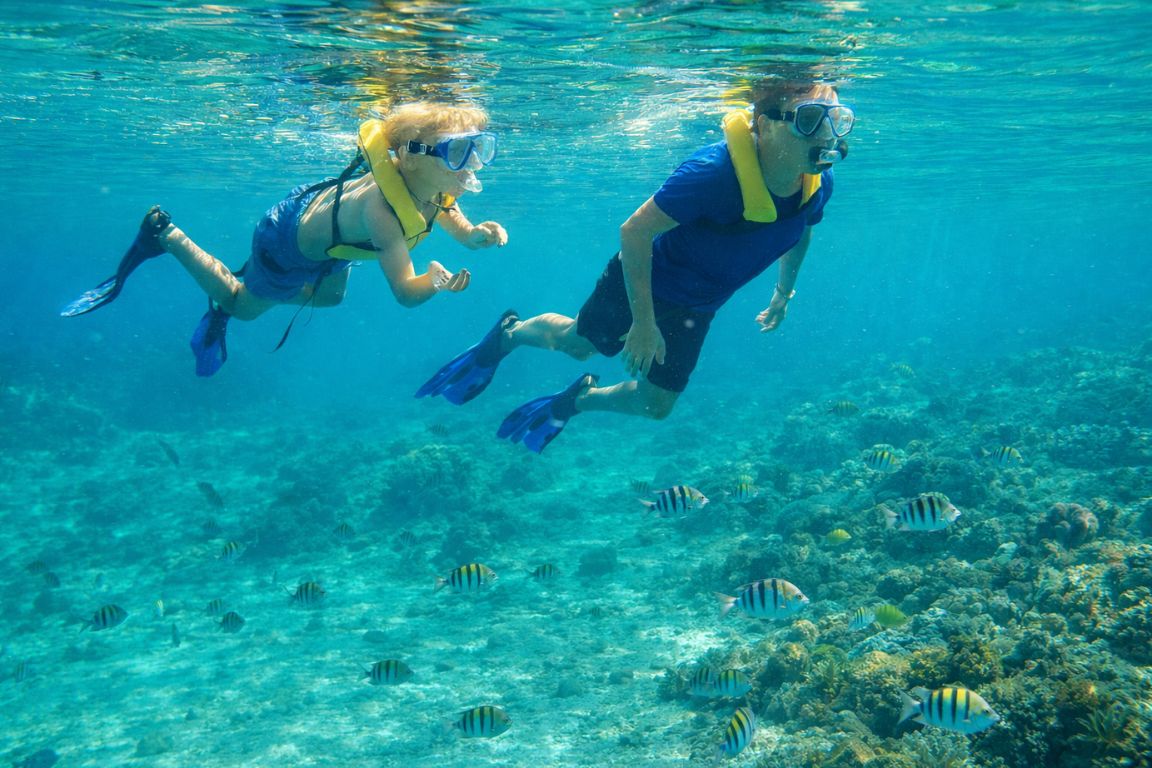
No universal minimum age: Operators advertising specific minimum ages protect themselves from difficult situations rather than providing genuinely useful family planning guidance, because the 6-year-old who swims confidently in pools and pays attention to adult instructions in exciting situations differs so fundamentally from the nervous 8-year-old who panics when water touches his face that chronological age alone predicts almost nothing about snorkeling readiness. Parents who know their specific children well make better readiness assessments than any age guideline can, with the honest question being whether this particular child in this particular developmental moment will find snorkeling exciting or overwhelming.
Key readiness indicators: Four questions reveal more about snorkeling readiness than age. Does the child follow adult instructions reliably when excited rather than only in calm classroom settings? Can they tolerate minor equipment discomfort including mask pressure and snorkel tube breathing without immediately removing gear? Are they comfortable with face submersion in pools or bathtubs? And critically – is the interest theirs genuinely or primarily the parent’s enthusiasm the child is agreeing with to please? Children failing any of these indicators benefit from shore wading experiences before guided boat tours regardless of how old they are.
Under 4 years: Shore wading with parent physically in water throughout provides appropriate introduction, with mask fitting presenting genuine challenges as child-sized equipment still fits poorly on toddler faces creating constant leaking that frustrates rather than engages. Chankanaab’s knee-deep areas allow very young children experiencing marine environment at their own pace without snorkeling equipment requirements, with fish visibility beginning in just 2-3 feet of clear water rewarding patient toddlers without any equipment management stress. These early experiences build positive ocean associations worth more for long-term interest development than forcing premature snorkeling producing negative memories.
Ages 4-5: Shore snorkeling with direct parent supervision throughout suits this age group when children show water comfort and genuine interest, with Chankanaab’s protected cove providing ideal conditions for gradual equipment introduction. This age group benefits most from extremely short initial sessions of 10-15 minutes building positive associations rather than extended sessions testing endurance limits that create the negative experiences causing children refusing snorkeling on subsequent days. Parents should follow children’s lead on duration rather than extending sessions toward adult satisfaction thresholds when children signal readiness to exit.
These animals may be encountered in suitable reef habitat, but sightings vary with conditions, location and animal behavior. No measured sighting rate is established here, and a tour name or route does not guarantee an encounter.
Ages 9-12: Most standard Cozumel snorkeling sites suit this age group with normal guide supervision, with Palancar Gardens’ comprehensive wildlife portfolio delivering the complete experience that younger children access in more limited form at closer sites. This age group shows highest enthusiasm for nurse shark encounters specifically, initially approaching with dramatic fear performance that transforms into genuine fascination within minutes of observing completely still animals showing zero interest in human presence. Equipment management, breathing technique, and current comfort all prove more teachable at this age than younger groups, making this the range where guided boat tours deliver closest to adult-quality experiences.
Ticket age bands do not establish swimming readiness. Confirm each child’s participation, flotation fit and supervision with the operator.
| Age Group | Readiness Indicators | Recommended Sites | Supervision Needed | Wildlife Likely | Tour Cost Typical |
|---|---|---|---|---|---|
| Under 4 | Water comfort, parent close | Chankanaab shore only | Parent in water | Fish, maybe turtle | Park entry only |
| 4-5 years | Face submersion ok, instruction-following | Chankanaab shore | Parent directly beside | Fish, turtle possible | Reduced/free child rate |
| 6-8 years | Swims independently, equipment tolerant | Paradise Reef, Chankanaab | Guide + parent aware | These animals may be encountered in suitable reef habitat, but sightings vary with conditions, location and animal behavior. No measured sighting rate is established here, and a tour name or route does not guarantee an encounter. | Not quantified; conditions vary |
| 9-12 years | Confident swimmer, genuinely interested | Paradise, Palancar Gardens | Guide supervision | Full portfolio | Not quantified; conditions vary |
| 13+ years | Adult assessment applies | All standard sites | Standard guide | Complete experience | Adult pricing |
Best Sites for Family Snorkeling
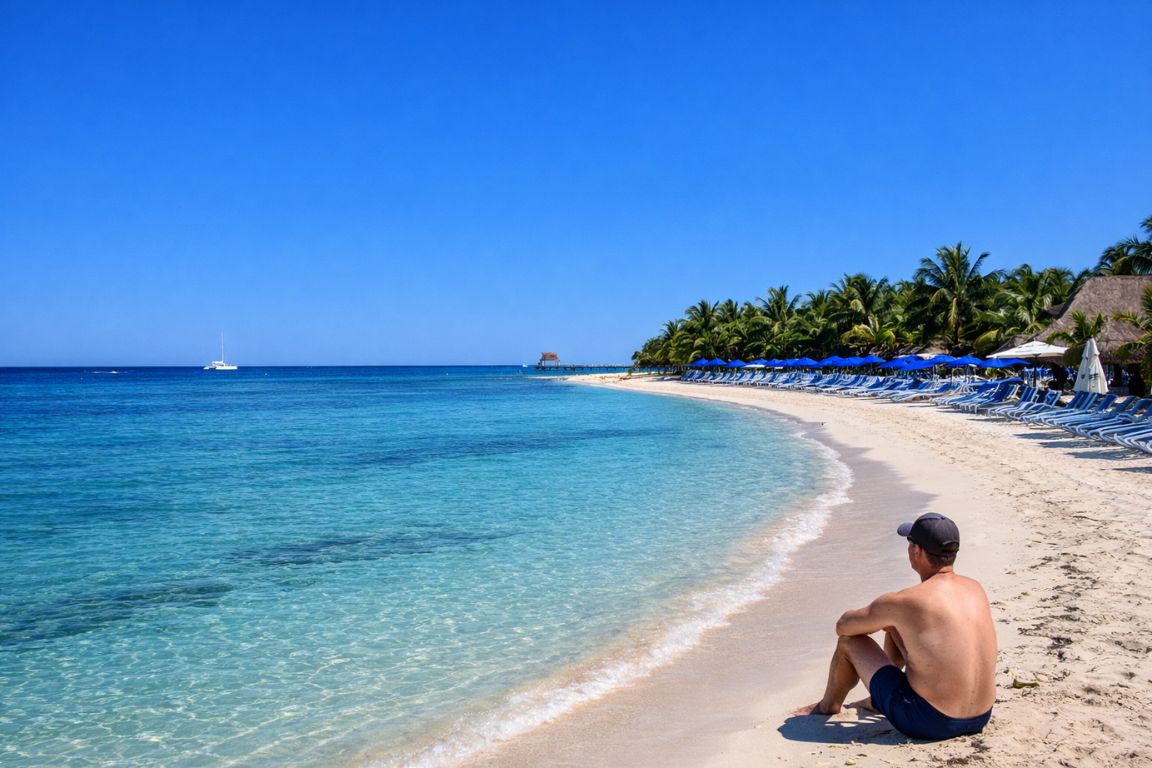
Chankanaab offers shore access, but its snorkeling area includes water too deep to stand in and rocky or stepped entries. Confirm the exact entry, conditions, supervision and accessibility before entering. Park admission alone does not establish suitability for a child or non-swimmer.
These animals may be encountered in suitable reef habitat, but sightings vary with conditions, location and animal behavior. No measured sighting rate is established here, and a tour name or route does not guarantee an encounter.
Palancar Gardens: World-class reef appropriate for confident swimming children 9 and older, delivering comprehensive wildlife encounters including possible sea turtles, strong eagle ray probability, and nurse sharks within spectacular coral garden formations that older children and teenagers specifically appreciate for the scale and visual drama impossible at closer sites. The 20-25 minute boat transit requires children who handle mild water motion without distress, making this site genuinely appropriate for older confident children while remaining unsuitable for younger or motion-sensitive family members regardless of swimming ability. Families with mixed age children sometimes keep younger kids at Chankanaab and send older ones to Palancar, or book a private snorkeling charter to El Cielo and Cielito so the whole group stays on one boat and sets its own pace.
These animals may be encountered in suitable reef habitat, but sightings vary with conditions, location and animal behavior. No measured sighting rate is established here, and a tour name or route does not guarantee an encounter.
We’ve ranked the best spots in Cozumel snorkeling tours so you don’t waste time on overcrowded reefs when the real highlights are just a short boat ride away.
| Site | Min Age Suitable | Family Facilities | Sea Turtle Probability | Current Level | Family Overall Rating |
|---|---|---|---|---|---|
| Chankanaab Park | Any age | Excellent – full park | Not quantified; conditions vary | None | 10/10 – Best family site |
| Paradise Reef | 6+ years | Boat only | Not quantified; conditions vary | Mild | 9/10 – Best boat tour |
| San Francisco Beach | 5+ years | Basic only | Not quantified; conditions vary | Very mild | 7/10 – Budget option |
| Palancar Gardens | 9+ years | Boat only | Not quantified; conditions vary | Mild-Moderate | 8/10 – Older children |
| Columbia Reef | 10+ years | Boat only | Not quantified; conditions vary | Moderate | 6/10 – Teens primarily |
| Santa Rosa Wall | Not recommended | Boat only | Not quantified; conditions vary | Strong | 2/10 – Avoid with children |
Choosing Family-Friendly Operators
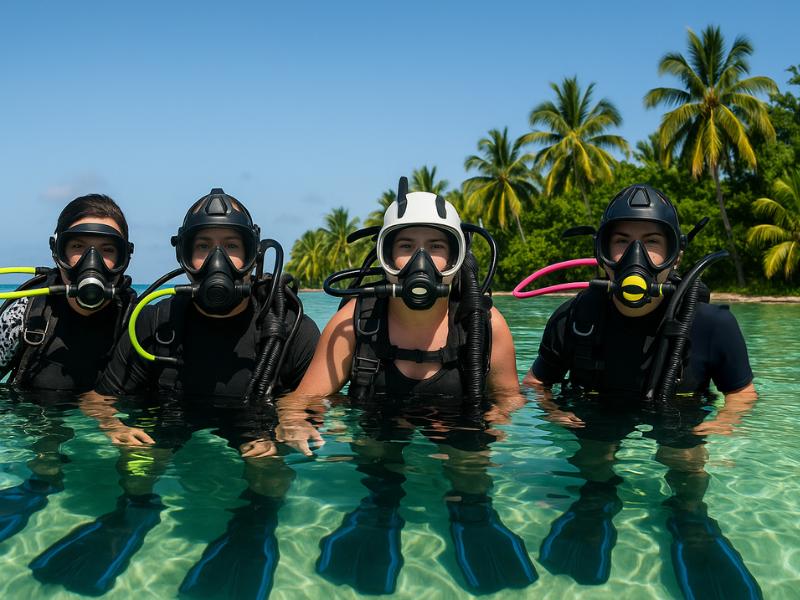
What makes operators genuinely family-friendly: The difference between operators marketing themselves as family-friendly and those actually equipped for children shows immediately in equipment inventory, guide patience during child equipment adjustment, and willingness discussing specific child ages and abilities during booking rather than treating all participants identically. Genuine family operators maintain child-sized mask inventory covering multiple size ranges, carry appropriately sized child flotation vests rather than adjustable adult alternatives, and employ guides who naturally engage children through wildlife narration rather than adult-focused technical explanations that lose young participants within minutes. Asking operators directly how many child-sized masks they carry and what ages they’ve taken on tours previously reveals actual family experience versus marketing language more reliably than any website description.
Group size for families: Small groups of 6-10 participants prove essential for families with children because guides managing 20+ participants cannot simultaneously supervise multiple children, manage individual pace variations, and maintain wildlife encounter positioning that makes tours worthwhile. Children move unpredictably, tire at different rates than adults, require more frequent equipment adjustments, and occasionally need immediate one-on-one guide attention that large group formats simply cannot provide without abandoning supervision of remaining participants. Families booking large group budget tours often discover that per-person savings disappear when inadequate child supervision creates stressful experiences requiring tour interruption.
Equipment quality: Child-sized masks creating genuine watertight seal represent the single most important operator equipment distinction, because adult masks poorly fitted to child faces leak constantly creating the mask-flooding anxiety that ruins children’s experiences regardless of how spectacular the surrounding wildlife proves. Confirm that operators have specific child mask sizes matching your children’s approximate ages before booking, not generic “we have small masks” responses that prove meaningless when pier-side equipment selection reveals two aged child masks among twenty adult sizes.
Practical recommendation: Email operators exact children’s ages, swimming confidence levels, and any water anxiety history when booking rather than presenting this information at the pier when tour composition and equipment are already fixed. This advance communication allows operators preparing appropriate equipment sizes, selecting optimal sites for your specific age range, and assigning guides with strongest child engagement experience rather than making these adjustments reactively under departure time pressure.
Recommended tours for families
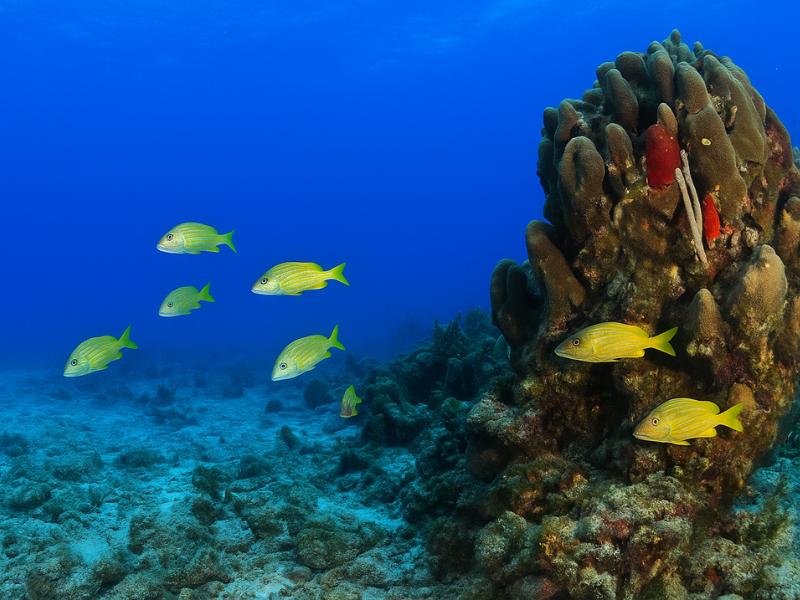
Chivis Del Mar: Coastal Snorkel Tour in Cozumel
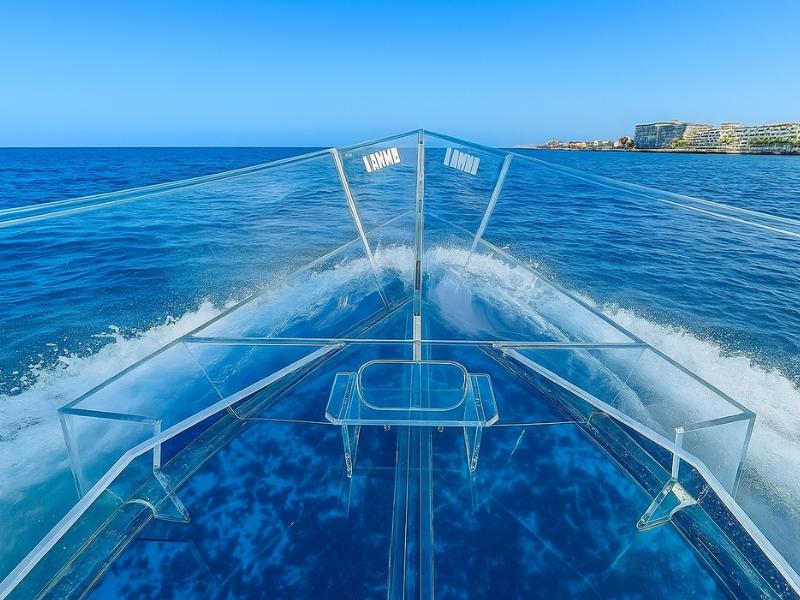
90-minute coastal glass-bottom boat itinerary listing Dzul-Ha and Paradise reefs, with English/Spanish guide and snorkeling equipment. Meet at Chivis Del Mar, Caleta Harbor; transfers are separate.
Cozumel Transparent Boat Snorkel Tour with 2 Beers!
A one-hour snorkel from a transparent boat. Short enough for a first guided outing after you know the children will keep a mask on.
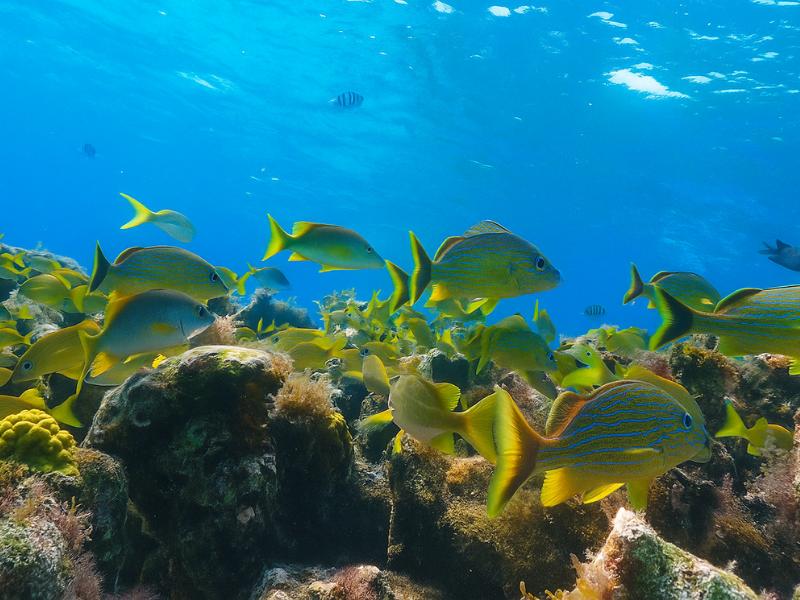
Turtle Sanctuary Luxury Catamaran Experience in Cozumel (4 Hours)
4-hour catamaran visiting the turtle sanctuary, El Cielo and El Cielito. Gear, fruit, ceviche, drinks and onboard bathroom included.
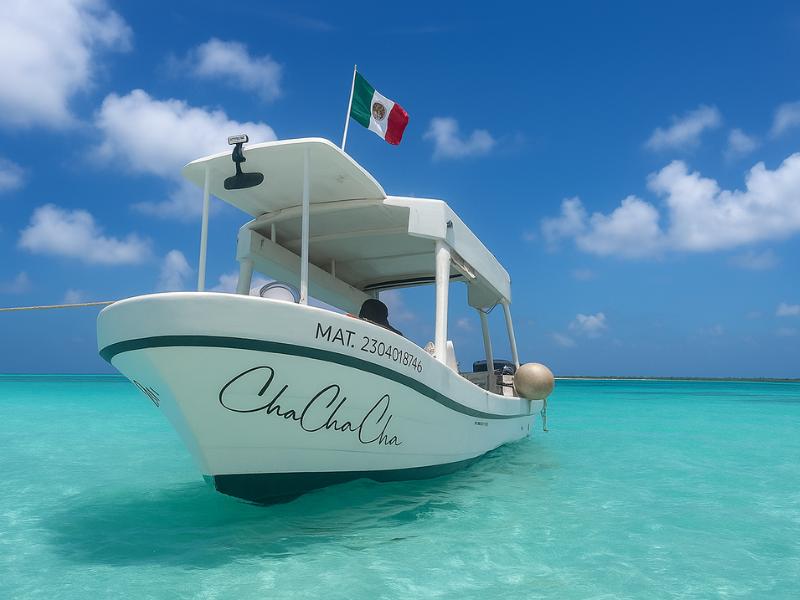
Private Snorkeling Charter from Cozumel to El Cielo & Cielito
Four hours on a private boat to El Cielo and Cielito. The group is your family only, so the pace is not set by a mixed public boat.
Equipment for Kids – What Actually Fits and Works
Child mask sizing: Properly fitted child mask creating genuine watertight seal represents the single most critical equipment decision for young snorkelers, because a leaking mask flooding with saltwater every 90 seconds creates constant interruption and escalating anxiety that makes the entire experience miserable regardless of how many sea turtles swim past. Child faces vary significantly in size and shape, with masks marketed as “child size” fitting some children perfectly and others not at all, making in-person fitting before purchase or careful size research for rental confirmation important preparation steps rather than assumed details.
Bringing personal child mask: Purchasing a properly fitted personal child mask for $20-35 before the trip represents the single best family snorkeling investment available, eliminating rental equipment uncertainty and allowing home pool practice building mask comfort before Cozumel’s ocean environment adds additional sensory challenges. Brands including Cressi, Mares, and Tusa offer genuine child sizing in multiple size ranges with silicone skirts creating proper seals on small faces that many rental alternatives with degraded skirts don’t achieve reliably. Children who practice with personal masks in pools or bathtubs before traveling arrive in Cozumel with established equipment confidence rather than learning everything simultaneously while surrounded by ocean wildlife competing for their attention.
Child fins: Properly fitted fins improve propulsion and reduce exhaustion without being strictly necessary for vest-supported reef observation, with the primary concern being sizing as loose fins cause blisters within 20 minutes that end children’s sessions prematurely. Open-heel adjustable fins accommodate growing feet better than full-foot styles, though even well-fitted fins require short wearing-in periods that pool practice before travel prevents from becoming Cozumel-day problems. Some younger children find fins more hindrance than help during initial snorkeling experiences, making operator-provided fins acceptable for first sessions with personal fins worth investing in for children showing genuine ongoing snorkeling interest.
Life vests for children: Properly sized child PFDs providing genuine buoyancy for actual child body weight rather than adult vests tightened with straps that create uncomfortable riding-up problems and reduced effective flotation require specific confirmation with operators before booking. Children in correctly sized vests float effortlessly in face-down position with minimal parental concern, while children in adult vests that bunch toward their chins spend sessions fighting equipment rather than observing wildlife. Non-swimming children particularly require proper child vest sizing as their entire surface safety depends on vest performance rather than swimming ability supplementing inadequate flotation.
Rashguards for kids: Long-sleeve rashguards prove genuinely non-negotiable for children given sustained face-down position exposing entire back and shoulders to direct Caribbean sun, with children’s skin burning significantly faster than adults at equivalent UV exposure levels. Caribbean UV intensity combined with water reflection creates burning conditions that can cause significant sunburn within 20-30 minutes on unprotected fair-skinned children, with cooling water masking developing burn until post-tour examination reveals painful damage already done. Children rarely notice or report developing burn during engaging snorkeling sessions, making adult prevention responsibility rather than relying on children self-reporting discomfort.
Reef-safe sunscreen: Child-appropriate mineral sunscreen formulations using zinc oxide rather than chemical UV filters prove both marine park legal requirements and appropriate for children’s more sensitive skin, applied thoroughly to face, neck, hands, and rashguard gaps 20-30 minutes before water entry. Reapplication after extended surface intervals matters particularly for children who spend more time at water surface than swimming adults, with guides typically announcing surface interval opportunities appropriate for sunscreen reapplication timing.
Practical recommendation: Personal child mask and long-sleeve rashguard represent the two equipment investments worth making before any Cozumel family snorkeling trip, with the mask eliminating the leak anxiety causing most child snorkeling failures and the rashguard preventing the sunburn creating the most common post-tour family health concern. Everything else operators provide adequately enough that personal investment proves optional rather than essential.
Not sure about bringing nervous swimmers or first-timers? Our breakdown of is it safe in Cozumel snorkeling tours helps you decide based on your group’s experience level.
Shore Snorkeling with Kids – The Chankanaab Approach
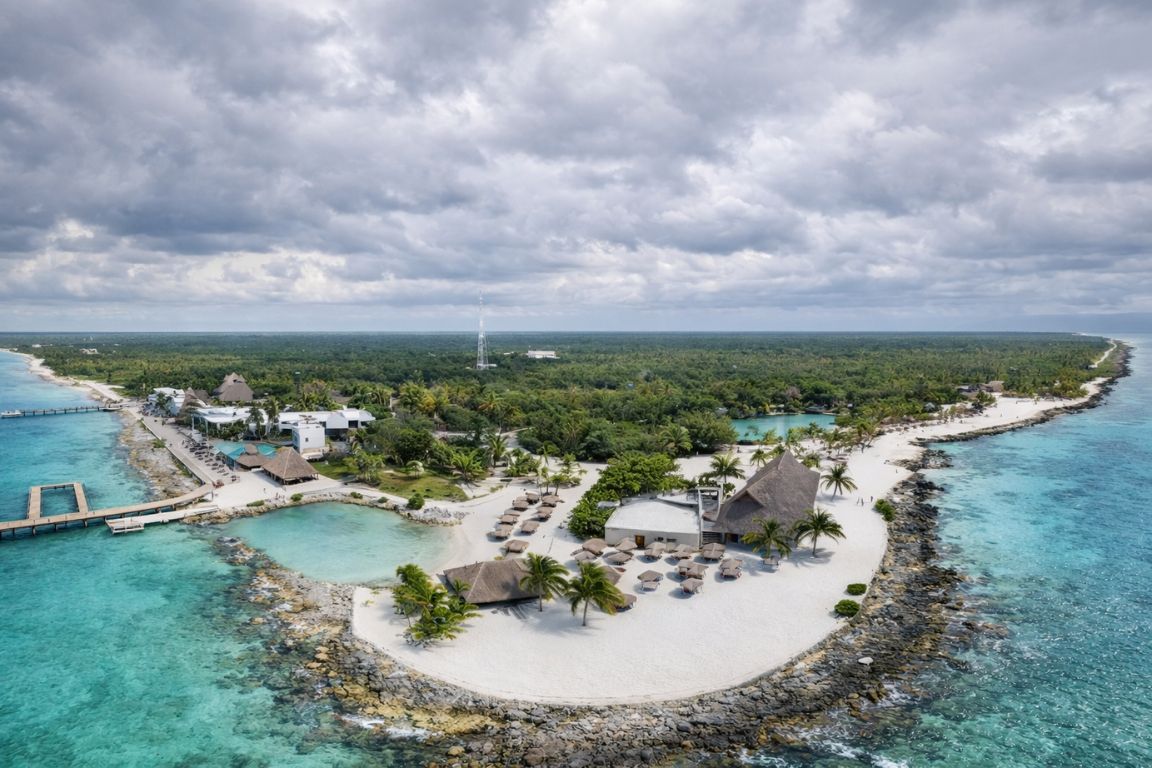
Chankanaab offers shore access, but its snorkeling area includes water too deep to stand in and rocky or stepped entries. Confirm the exact entry, conditions, supervision and accessibility before entering. Park admission alone does not establish suitability for a child or non-swimmer.
Chankanaab offers shore access, but its snorkeling area includes water too deep to stand in and rocky or stepped entries. Confirm the exact entry, conditions, supervision and accessibility before entering. Park admission alone does not establish suitability for a child or non-swimmer.
These animals may be encountered in suitable reef habitat, but sightings vary with conditions, location and animal behavior. No measured sighting rate is established here, and a tour name or route does not guarantee an encounter.
Time management: Most children 6-10 years old sustain genuine snorkeling engagement for 20-40 minutes before physical fatigue, equipment discomfort, or attention exhaustion signals readiness to exit, with attempting to extend sessions past these natural endpoints typically creating negative experiences that undermine subsequent day interest. Morning sessions before heat peaks work better than afternoon sessions for most children, with earlier energy levels, calmer water, and less accumulated sun exposure all contributing to more positive experiences. Multiple 20-30 minute sessions separated by beach play and food breaks often deliver better total snorkeling time than single extended sessions that push past children’s natural engagement windows.
Not sure which length suits you? This breakdown of how long Cozumel snorkeling tours are helps you pick the right option based on your schedule and energy level.
Tennessee family arrived at Chankanaab with 7-year-old who had refused to put his face in the water for two previous snorkeling attempts elsewhere, spent 45 minutes in knee-deep water watching fish from above before voluntarily trying the mask when a sea turtle appeared directly below him, and completed a full 30-minute snorkeling session he described as “the best day of the whole trip” while asking parents if they could come back the next morning.
Boat Tours with Kids – What to Expect
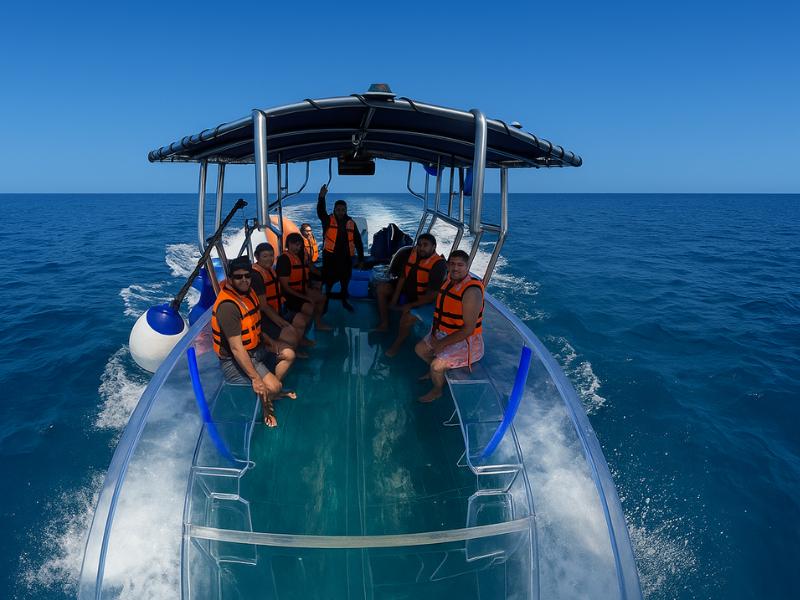
Minimum age for boat tours: Six years old represents a practical general guideline for guided snorkeling boat tours, with individual readiness assessment remaining more important than the number as confident swimming 5-year-olds outperform anxious 8-year-olds regularly enough that rigid cutoffs miss individual variation. Children meeting the readiness indicators from the age assessment section – instruction-following, equipment tolerance, genuine water comfort, real rather than performed interest – prove ready for boat tours regardless of whether they’re 6 or 8. Operators have final discretion declining participants they assess as genuinely unprepared, making honest pre-booking communication about specific children more useful than age-based booking assumptions.
Motion sickness reality: Caribbean snorkeling boats are relatively stable vessels compared to deep-sea fishing boats though not completely smooth, with 15-30 minute transits to offshore sites crossing water that ranges from glassy calm during typical dry season mornings to noticeably choppy during Norte wind events or afternoon conditions. Motion-sensitive children benefit from ginger chews or pediatrician-approved motion sickness medication given 30-60 minutes before departure, with operators recommending children sit toward boat center and focus on horizon during transit rather than looking at water or down at the deck. Parents who know their children experience car sickness or previous boat discomfort should plan proactively rather than hoping ocean conditions prove smooth enough that prevention unnecessary.
Boat entry and exit with children: Platform entries involve children sitting on boat edge and sliding into water with guide physical assistance managing the transition, requiring children comfortable with brief guided water immersion rather than self-controlled gradual entry that shore snorkeling allows. Ladder returns at tour conclusion need basic arm strength and coordination climbing from horizontal water position onto fixed rungs, with guides providing lifting assistance for smaller children finding ladder geometry challenging. Parents should practice the entry motion with children beforehand by describing the sitting-and-sliding action, as children who understand what’s coming comply readily while those surprised by the movement sometimes resist at the worst possible moment with a line of other participants waiting.
Keeping kids engaged during transit: Managing children’s energy and expectations during 15-25 minute boat rides between shore and reef sites requires realistic preparation, with guides on quality family tours pointing out flying fish, pelicans, and surface marine life observations maintaining interest during transit. Bringing small snacks for boat rides helps children maintain blood sugar levels between breakfast and underwater activity, with hungry children showing dramatically shorter patience during equipment setup and initial water entry than fed ones. The transit anticipation actually builds excitement for many children when framed correctly by parents as “traveling to where the sea turtles live” rather than experienced as waiting time between arrival and activity.
These animals may be encountered in suitable reef habitat, but sightings vary with conditions, location and animal behavior. No measured sighting rate is established here, and a tour name or route does not guarantee an encounter.
If you’re trying to decide how to explore the reef, here’s our honest comparison of shore snorkeling vs boat snorkeling in Cozumel tours based on access, cost, and what you’ll see.
| Factor | Shore Tour (Chankanaab) | Guided Boat Tour | Best For |
|---|---|---|---|
| Cost Per Child | $12-24 entry + rental | $35-65 child rate | Shore for budget/testing interest |
| Wildlife Quality | Good – turtles, fish | Excellent – full portfolio | Boat for committed snorkelers |
| Age Minimum | Any age | 6+ recommended | Shore for young/uncertain children |
| Exit Flexibility | Anytime independently | Between sites only | Shore for anxious or young children |
| Motion Sickness Risk | None | Low-Moderate | Shore for sensitive children |
| Facilities | Excellent – full park | Boat only | Shore for young families needing amenities |
| Sea Turtle Probability | Not quantified; conditions vary | Not quantified; conditions vary | Boat for reliable turtle encounters |
| Overall Family Value | 9/10 young children | 9/10 children 6+ | Combine both for complete experience |
Wildlife Encounters – What Kids Actually React To
Sea turtles: No other Cozumel wildlife encounter produces child reactions comparable to sea turtle proximity, with animals approaching within arm’s length of small snorkelers and making extended eye contact that children interpret as genuine mutual curiosity regardless of what marine biologists say about turtle cognition. The combination of impressive size, gentle movement, and ancient appearance creates genuine awe rather than the performed enthusiasm children sometimes produce to satisfy parents hoping for stronger reactions to experiences that don’t actually land emotionally. Guides consistently identify the moment a child sees their first close sea turtle as the tour highlight regardless of what other spectacular wildlife appears during the same session.
Colorful reef fish: Younger children often engage most immediately with reef fish rather than large animals, with clownfish relatives, queen angelfish, and parrotfish triggering recognition responses from aquarium visits, Finding Nemo viewings, and fish identification books that make reef fish feel like meeting celebrities rather than observing anonymous wildlife. The density and variety at Cozumel reef sites means children never experience the between-encounter gaps that test young attention spans at less biodiverse destinations, with constant colorful activity maintaining engagement throughout entire sessions even when large animals prove temporarily elusive. Parents sometimes discover that their child’s most enthusiastic post-tour descriptions involve specific parrotfish or angelfish rather than the nurse shark encounter adults considered the obvious highlight.
Nurse sharks: Children consistently follow an observable emotional arc from dramatic pre-water fear performance through cautious observation to genuine fascination over approximately 3-5 minutes after first nurse shark sighting, with the transformation happening reliably enough that guides who work regularly with children anticipate and enjoy watching it unfold. The combination of impressive size making fear seem reasonable and complete docility making prolonged close observation possible creates a uniquely educational encounter that changes how children understand the difference between appearance-based fear and actual threat assessment. Children who overcome nurse shark anxiety during Cozumel visits often describe the experience as personally meaningful in ways that suggest genuine confidence development rather than just fun wildlife memory.
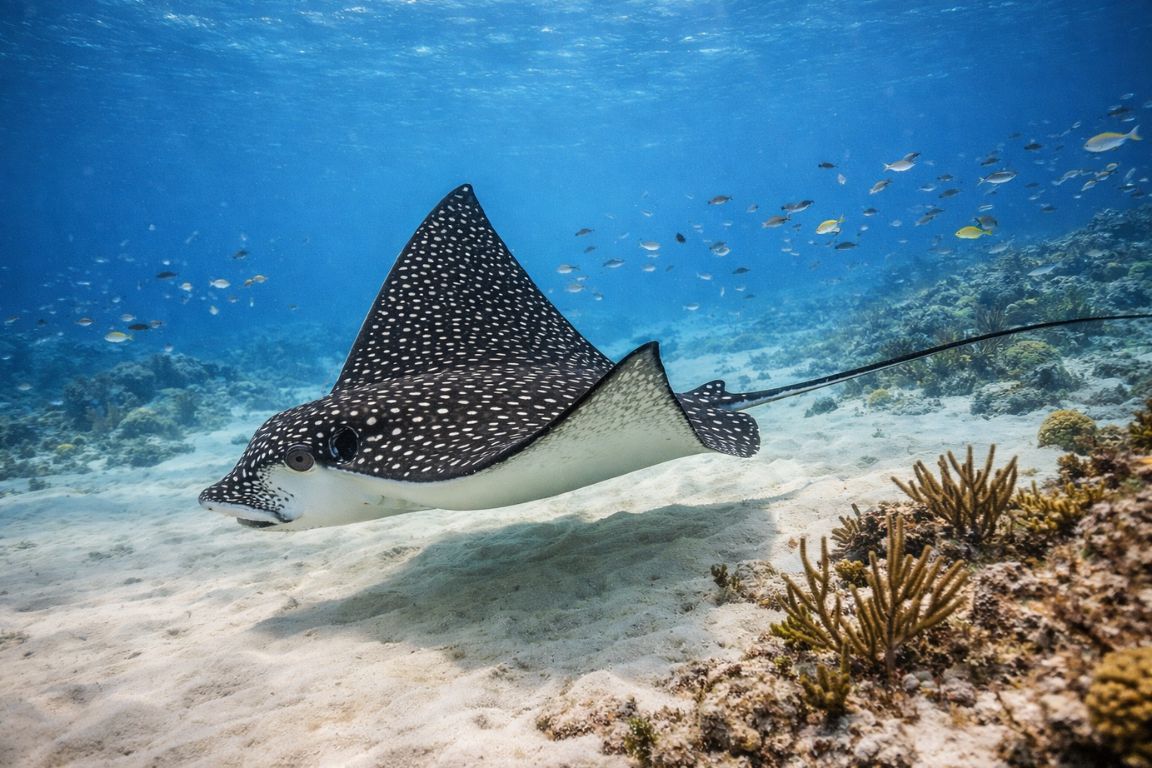
Eagle rays: Older children and teenagers react to eagle ray encounters differently than younger children do to turtles, with the combination of elegant wing-beat propulsion, distinctive spotted patterning, and graceful banking turns producing a more aesthetically sophisticated response that aligns with developing teenage capacity for appreciating beauty rather than pure excitement. Groups of multiple rays banking simultaneously through clear water affect teenagers particularly powerfully, with adolescents who’ve been managing parental enthusiasm about snorkeling all trip suddenly dropping the performance of disinterest entirely when five eagle rays materialize from blue water and bank past at close range. Guides specifically note that eagle ray encounters convert the most skeptical teenage participants into the most enthusiastic post-tour advocates among all family age groups.
Eight-year-old girl from Michigan who’d spent the boat ride to Paradise Reef announcing she wasn’t putting her face in the water surfaced after her first sea turtle approached within two feet, pulled off her mask, and said absolutely nothing for approximately thirty seconds before telling her father “I need to move here” in the tone of someone who had just made a serious life decision.
Wondering what you’ll actually see underwater? Check out our guide on the marine life in Cozumel snorkeling tours – some of these encounters are genuinely unforgettable.
FAQ: Family Snorkeling Questions
1. What age can children start snorkeling in Cozumel?
No hard minimum applies with individual readiness mattering more than age, though shore snorkeling at Chankanaab suits children from around 4 years with parent supervision while guided boat tours work best for children 6 and older showing water comfort and instruction-following ability. Assess your specific child honestly rather than relying on generic age guidelines.
2. Is Cozumel safe for children to snorkel?
Chankanaab offers shore access, but its snorkeling area includes water too deep to stand in and rocky or stepped entries. Confirm the exact entry, conditions, supervision and accessibility before entering. Park admission alone does not establish suitability for a child or non-swimmer.
3. My child can’t swim – can they still snorkel in Cozumel?
Snorkeling involves swimming and carries drowning risk. A flotation aid does not replace swimming ability, close supervision or an operator assessment. Non-swimmers should choose dry boat viewing unless the operator explicitly confirms a suitable supervised program. Stop if distressed and signal the guide for assistance.
4. What’s the best snorkeling site for families with young children?
Chankanaab offers shore access, but its snorkeling area includes water too deep to stand in and rocky or stepped entries. Confirm the exact entry, conditions, supervision and accessibility before entering. Park admission alone does not establish suitability for a child or non-swimmer.
5. Will my kids actually see exciting marine life?
These animals may be encountered in suitable reef habitat, but sightings vary with conditions, location and animal behavior. No measured sighting rate is established here, and a tour name or route does not guarantee an encounter.
6. How do I prevent my child from getting seasick on a snorkeling boat?
Give ginger chews or pediatrician-approved motion sickness medication 30-60 minutes before departure for children with known motion sensitivity, seat them toward boat center during transit, and have them focus on the horizon rather than the water surface or boat deck. Morning departures typically find calmer seas than afternoon alternatives.
7. Should I buy my child their own mask before the trip?
Strongly yes – a $20-35 personally fitted child mask represents the single best family snorkeling investment available, eliminating the constant leaking that ruins children’s experiences with ill-fitting rental alternatives. Allow pool practice at home before traveling so children arrive in Cozumel with established mask comfort rather than learning everything simultaneously.
8. How long can children typically snorkel before getting tired?
Most children 6-10 sustain genuine engagement for 20-40 minutes before fatigue, equipment discomfort, or attention exhaustion signals exit readiness. Multiple shorter sessions with beach breaks between prove more successful than single extended sessions pushing past natural endpoints, with morning energy levels consistently supporting longer engagement than afternoon alternatives.
Glossary: Family Snorkeling Terms
Age Readiness Assessment: Individual evaluation of a specific child’s snorkeling preparedness based on water comfort, instruction-following under excitement, equipment tolerance, and genuine interest rather than chronological age alone. Parents who know their children assess readiness more accurately than any age guideline covering populations of children with enormous individual variation.
Child-Sized Equipment: Snorkeling gear specifically proportioned for smaller faces and bodies including masks with narrower face profiles creating proper seals, fins sized for small feet, and life vests providing buoyancy appropriate for lighter body weights. Genuine child sizing differs meaningfully from adult equipment adjusted smaller, with proper fit determining whether equipment enables or ruins young snorkelers’ experiences.
Shore Entry Progression: Gradual confidence-building approach where children enter water incrementally from beach, controlling their own depth advancement rather than committing to open water immediately. Available at Chankanaab and San Francisco Beach, this approach suits young or anxious children by maintaining immediate exit availability throughout each depth stage.
Motion Sickness Prevention: Proactive strategies reducing boat-related nausea including pre-departure medication, ginger products, strategic seating toward boat center, and horizon focus during transit. More important for children than adults given lower body weight increasing medication effectiveness and higher motion sensitivity common in younger age groups.
Supervised Snorkeling: Active guide monitoring maintaining visual contact with all participants throughout tours, with child-appropriate supervision involving closer proximity, more frequent equipment checks, and immediate response capability for anxious or struggling young snorkelers. Guide-to-child ratios affecting supervision quality represent the primary family operator selection criterion.
Family-Friendly Operator: Tour operator with verified child equipment inventory, genuine guide experience managing mixed-age groups, small group sizes enabling individual attention, and willingness discussing specific children’s needs during booking. Distinguished from operators using family-friendly marketing language without operational infrastructure actually serving children’s different needs from adult participants.
Wildlife Engagement Techniques: Guide methods maintaining children’s underwater interest and directing attention toward specific species including gentle tapping for attention, hand signals indicating wildlife direction, and surface-side narration helping children understand what they’re observing. Guides experienced with children adapt explanations to age-appropriate language transforming wildlife sightings into memorable educational encounters rather than uncontextualized visual experiences.
Attention Span Management: Recognition that children sustain snorkeling engagement for shorter durations than adults with multiple shorter sessions separated by beach activity breaks producing better total outcomes than extended sessions pushing past natural endpoints. Successful family snorkeling planning accounts for these physiological and developmental realities rather than scheduling adult-format tours for child-aged participants.
Ready to Take Your Kids Snorkeling in Cozumel?
Cozumel delivers genuinely excellent family snorkeling across every age from toddlers wading at Chankanaab through teenagers ready for Palancar Gardens’ eagle ray encounters, with the combination of accessible wildlife, calm western shore conditions, and flexible site options making this one of the Caribbean’s most legitimately family-appropriate snorkeling destinations rather than just a destination that tolerates children alongside adult-focused tours.
The sea turtle that approaches within arm’s length of your 7-year-old creates a specific kind of memory that we watch forming in real time on every family tour – the moment children stop performing excitement for parents and experience genuine wordless awe that they’ll reference for years afterward in contexts having nothing to do with vacations or travel.
When you open the 3 Reefs boat tour, send the operator your children’s ages, swimming comfort, and any water anxiety so they can confirm child mask sizes before the day.
Check a listing such as the Turtle Sanctuary catamaran and confirm child mask sizes and group size with the operator before you arrive.
From the guides at Cozumel Snorkeling Tours who’ve watched hundreds of children experience their first sea turtle encounter, first nurse shark transformation from fear to fascination, and first genuinely independent underwater wildlife discovery – and who consider introducing children to the reef among the most meaningful work we do out here every morning.